

According to the latest market analysis by Future Market Insights, the Baby Toiletries Market signals a structural transformation rather than incremental growth. The market is projected to expand from USD 14.3 billion in 2026 to USD 26.2 billion by 2036, registering a CAGR of 6.2%, as infant care shifts from routine hygiene to clinically informed skincare.
This transition is being driven by rising parental awareness of infant skin physiology, tighter global regulation of cosmetic ingredients, and a measurable shift toward dermatology-validated, ingredient-transparent formulations. The implication for industry stakeholders is clear: value creation is moving upstream-from branding and distribution toward science, compliance, and formulation integrity.
Quick Stats Snapshot
• Market Size (2026): USD 14.3 Billion
• Forecast Value (2036): USD 26.2 Billion
• CAGR (2026-2036): 6.2%
• Premium Segment Pricing: 40%-80% above mass-market products
• Top Players' Market Share: ~60%-70% combined
• Fastest-Growing Region: Asia-Pacific
Get detailed market forecasts, competitive benchmarking, and pricing trends: https://www.futuremarketinsights.com/reports/sample/rep-gb-8188
Market Size and Forecast: Steady Growth, Structural Shift
The projected growth trajectory reflects both demographic demand and premiumization. While birth rates in developed markets remain stable or declining, per-child spending is rising, particularly in North America and Europe. Meanwhile, Asia-Pacific markets-especially India and China-are expanding due to rising incomes and increased awareness of infant hygiene.
The USD 26.2 billion opportunity by 2036 is not merely volume-driven. Instead, it is anchored in higher-value product categories such as hypoallergenic lotions, microbiome-friendly cleansers, and clinically tested diaper care solutions.
Growth Drivers: Science, Safety, and Sustainability
Three structural forces are reshaping demand:
1. Clinical Validation as a Purchase Driver
Medical guidance on infant skin immaturity has elevated demand for pH-balanced, low-irritant formulations. Parents are increasingly treating baby skincare as preventive healthcare rather than basic grooming.
2. Regulatory Tightening
Global regulators are restricting preservatives, fragrances, and sensitizing agents. Compliance is no longer optional-it is a market access requirement.
3. Sustainability Integration
From biodegradable wipes to recycled packaging, sustainability has moved from brand positioning to operational necessity. Large players are embedding circular economy principles into product design.
Market Challenges: Compliance Complexity and Supply Fragility
Despite strong growth fundamentals, the industry faces operational constraints:
• Regulatory Fragmentation: Different standards across the EU, U.S., and Asia complicate global product consistency.
• Ingredient Sourcing Risks: प्राकृतिक inputs like shea butter and coconut derivatives face climate and geographic concentration risks.
• Reputational Exposure: Product recalls or non-compliance can rapidly erode brand trust in a highly sensitive category.
Opportunities: Premiumization and Personalization
The next phase of growth lies in value-added innovation:
• Dermatology-led premium brands are expanding margins through clinical positioning
• AI-driven personalization is emerging, with tailored formulations based on skin type and environment
• Eco-innovation-including refillable systems and waterless products-is gaining traction
Companies that integrate clinical validation + sustainability + personalization will capture disproportionate value.
Speak to Analyst: Customize insights for your business strategy: https://www.futuremarketinsights.com/customization-available/rep-gb-8188
Segmentation Insights: Where Value Is Concentrating
By Product Type
• Baby lotions, wipes, and creams dominate due to daily usage frequency
• Specialized products (eczema care, tear-free cleansers) are growing faster
By Ingredient Profile
• Natural, organic, and hypoallergenic segments are outpacing conventional products
• Fragrance-free and preservative-minimized formulations are becoming baseline expectations
By Distribution Channel
• E-commerce leads with ~70% consumer preference in some regions
• Subscription models are gaining traction for recurring essentials
Regional Analysis: Diverging Growth Patterns
North America & Europe
• Mature markets driven by premiumization
• Strong demand for organic, dermatologist-approved, and sustainable products
• Regulatory frameworks shaping innovation pipelines
Asia-Pacific
• Fastest growth globally
• Rising middle class and digital commerce penetration
• Local adaptation (climate-specific and traditional ingredient integration) is critical
Latin America, Middle East & Africa
• Growth linked to urbanization and retail expansion
• Increasing access to branded and safe baby care products
Competitive Landscape: Consolidation and Capability Advantage
Market power is concentrated among a few multinational players, including Johnson & Johnson (Kenvue), Procter & Gamble, Kimberly-Clark, and Unilever.
These companies benefit from:
• Scale-driven cost efficiencies
• Established retail relationships
• In-house dermatological research capabilities
The USD 48.7 billion Kimberly-Clark-Kenvue deal underscores a broader consolidation trend aimed at integrating brand portfolios and strengthening supply chain control. At the same time, challenger brands such as Mustela and dermatology-led entrants are capturing premium segments by focusing on clinical differentiation rather than scale.
Strategic Implications for Industry Stakeholders
For Manufacturers:
Investment must shift toward R&D, clinical testing, and regulatory compliance infrastructure. Speed to reformulation will be a competitive advantage.
For Investors:
Value lies in companies positioned at the intersection of science-backed skincare and sustainable innovation, particularly those expanding in Asia-Pacific.
For Retailers and Procurement Leaders:
Portfolio curation should prioritize trusted, compliant, and premium brands, as consumer scrutiny intensifies.
Future Outlook: Toward Intelligent, Transparent Baby Care
Looking ahead, the market is expected to evolve into a tech-enabled, data-driven ecosystem:
• AI-powered skin diagnostics guiding product selection
• Blockchain-enabled ingredient traceability
• Smart packaging and adaptive formulations
The category is moving beyond products toward integrated infant care solutions.
Get the Complete Story-Read More About Our Latest Report! https://www.futuremarketinsights.com/reports/baby-toiletries-market
Executive Takeaways
• The baby toiletries market is transitioning from FMCG to clinical wellness category
• Growth to USD 26.2 billion by 2036 will be driven by premiumization, not volume alone
• Regulation and science are redefining competitive advantage
• Asia-Pacific offers the strongest growth upside
• Consolidation and innovation will determine long-term market leadership
Why FMI: https://www.futuremarketinsights.com/why-fmi



popularne posty
-
 Dead Lock Manufacturer in Gujarat: Quality Security Solutions
-
 High Temperature Thermoplastic Worldwide Market Expansion Report: 2026–2033 Projections
-
 Top Site to Buy Google Reviews With Money and Bitcoin (Personal And Business) Accounts Ultimate 2026 Guide Looking
-
 Buy Verified Walmart Seller Account-Best Cryptocurrency Trading
-
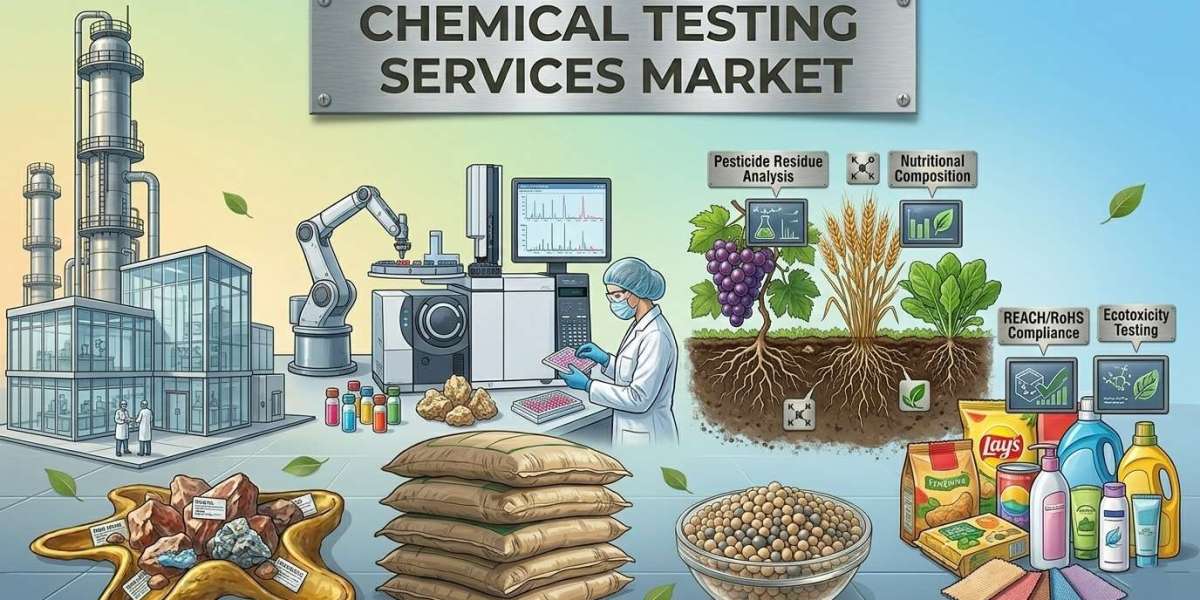 Chemical Testing Services Market: North America Dominates as SGS, Bureau Veritas, Intertek Expand Compliance Solutions
De sayali00
Chemical Testing Services Market: North America Dominates as SGS, Bureau Veritas, Intertek Expand Compliance Solutions
De sayali00





