
The digital landscape is currently undergoing a significant transition as we move beyond the era of simple conversational interfaces. For the past few years, we have become accustomed to chatbots that can answer questions, summarize text, or tell jokes, but these tools have generally remained reactive. The shift toward AI agents represents a move from "talking" to "doing." While a chatbot is a window into a large language model, an AI agent is a system equipped with the ability to use tools, browse the web, and execute tasks across different applications. This next generation of technology is defined by its capacity for independent action, moving us closer to a world where our software functions as a capable digital workforce rather than just a sophisticated encyclopedia.
Defining the Fundamental Gap in Capability
To understand the difference between these two technologies, one must look at the concept of "agency." A traditional chatbot operates on a turn-based system: the user provides an input, and the bot provides a corresponding output. Once the response is generated, the bot effectively "sleeps" until the next prompt. In contrast, an AI agent is designed to be goal-oriented. When given a complex objective, such as "plan a business trip within a $2,000 budget," the agent doesn't just list flights; it can proactively search for hotels, compare car rentals, and even interface with booking APIs. This ability to break down a large goal into smaller, executable steps without constant human intervention is what separates an autonomous assistant from a standard chatbot.
The Shift from Conversational Input to Task Execution
The primary user experience with a chatbot is centered on the chat bubble, where the value is found in the quality of the written response. However, the next generation of assistants is moving away from the interface and toward the execution layer. Tools like the Google AI agent Remy OpenClaw framework demonstrate a move toward "agentic" workflows where the AI spends more time interacting with other software than it does talking to the user. In this model, the conversation is merely the starting point—a way to define the mission—while the actual work happens in the background, across various tabs, spreadsheets, and databases that the agent navigates on your behalf.
Multi-Step Reasoning and Problem Solving
One of the most impressive features of modern AI agents is their ability to engage in "chain-of-thought" reasoning to solve problems. A traditional chatbot might struggle with a request that requires several logical leaps, often hallucinating a simplified answer to satisfy the prompt. An autonomous agent, however, uses a loop of observation and action. It can try a specific approach, realize it didn't work, and then pivot to a new strategy. If an agent is trying to find a specific piece of information in a long document and fails, it can decide to search a different database or ask for clarification, mimicking the iterative problem-solving process that a human assistant would use.
Long-Term Memory and Contextual Awareness
A significant limitation of early chatbots was their "amnesia"—the tendency to forget details as soon as a session ended or became too long. Next-generation agents are being built with sophisticated memory architectures that allow them to maintain context over weeks or months. This means an agent can remember your specific preferences for document formatting, your preferred tone for emails, or the names of the clients you are currently prioritizing. This persistent memory allows the assistant to become more helpful over time, as it builds a comprehensive understanding of your professional ecosystem and personal habits, eventually anticipating your needs before you have to voice them.
Integration with External Tools and APIs
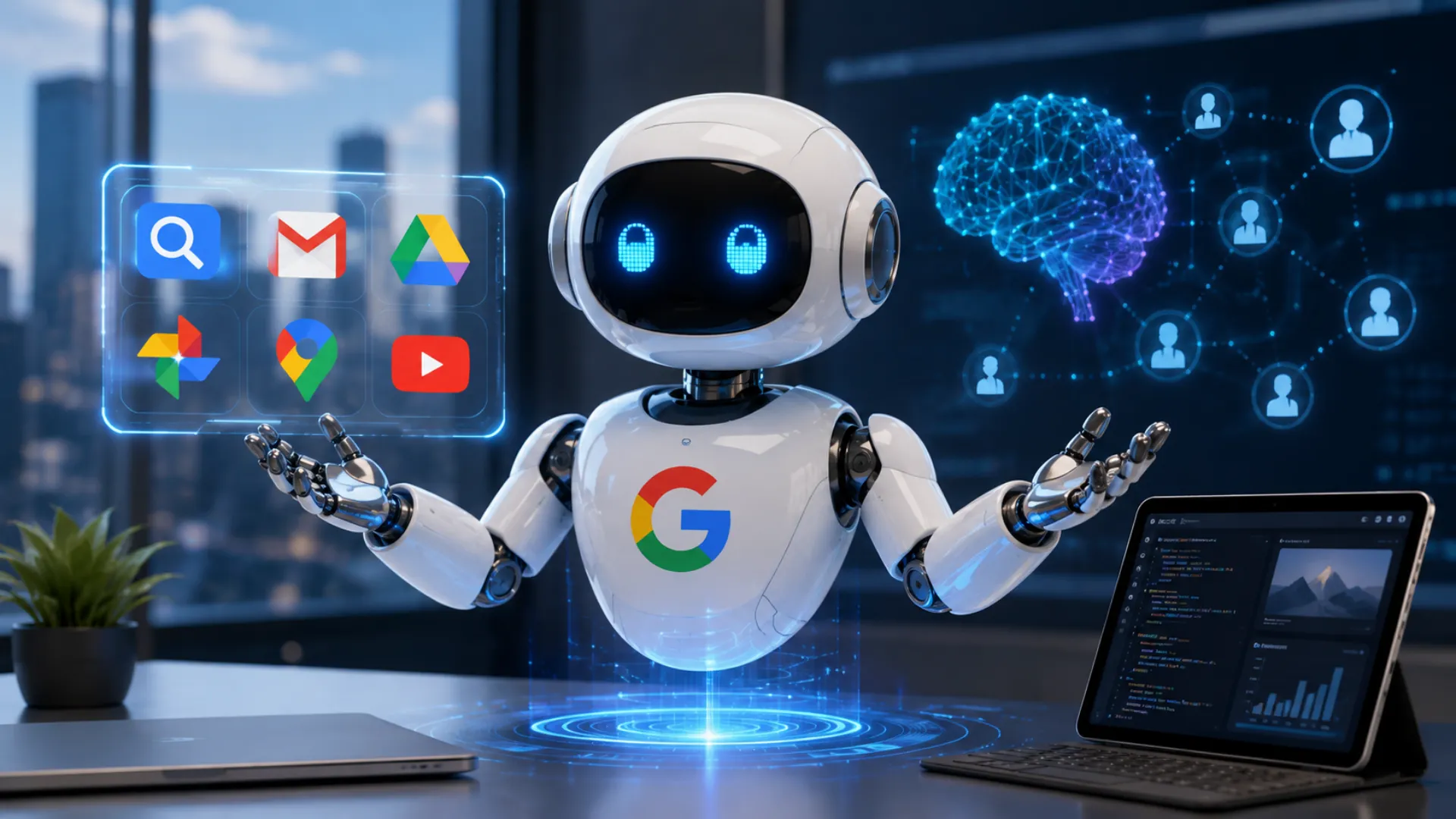
While a chatbot is often confined to the data it was trained on, an AI agent is empowered by its ability to interact with the real world through APIs. This "tool-use" capability allows the agent to act as a bridge between different platforms. For example, an agent can pull data from a CRM, analyze it using a Python script it writes on the fly, and then generate a visual report in a presentation tool. This level of cross-platform functionality transforms the AI from a creative writer into a technical operator. By giving the AI "hands" to click buttons and move data, developers are unlocking a level of utility that was previously impossible for static LLM interfaces.
Proactive Intervention vs Reactive Response
Perhaps the most life-changing difference for the average user is the move from reactive to proactive assistance. A chatbot only helps when you remember to open it; an AI agent can be "always-on," monitoring your digital environment for opportunities to be useful. This might mean the agent notices an incoming email about a project and automatically prepares a draft response based on your recent files, or it alerts you to a scheduling conflict it spotted in your calendar. By shifting the burden of initiation from the human to the machine, autonomous assistants help prevent things from falling through the cracks, acting as a safety net for our increasingly complex digital lives.
The Future of the Autonomous Personal Assistant
As we look toward the future, the distinction between chatbots and agents will likely blur as agents become the standard interface for all computing. We are moving toward a "headless" AI experience where the assistant isn't a destination you visit, but a layer that sits on top of your entire operating system. This evolution will likely lead to a new way of working where our primary skill is "delegation" rather than "execution." By understanding the power of these autonomous systems, we can begin to design workflows that leverage their 24/7 capabilities, allowing us to focus on high-level strategy while our agents handle the intricate details of daily digital maintenance.