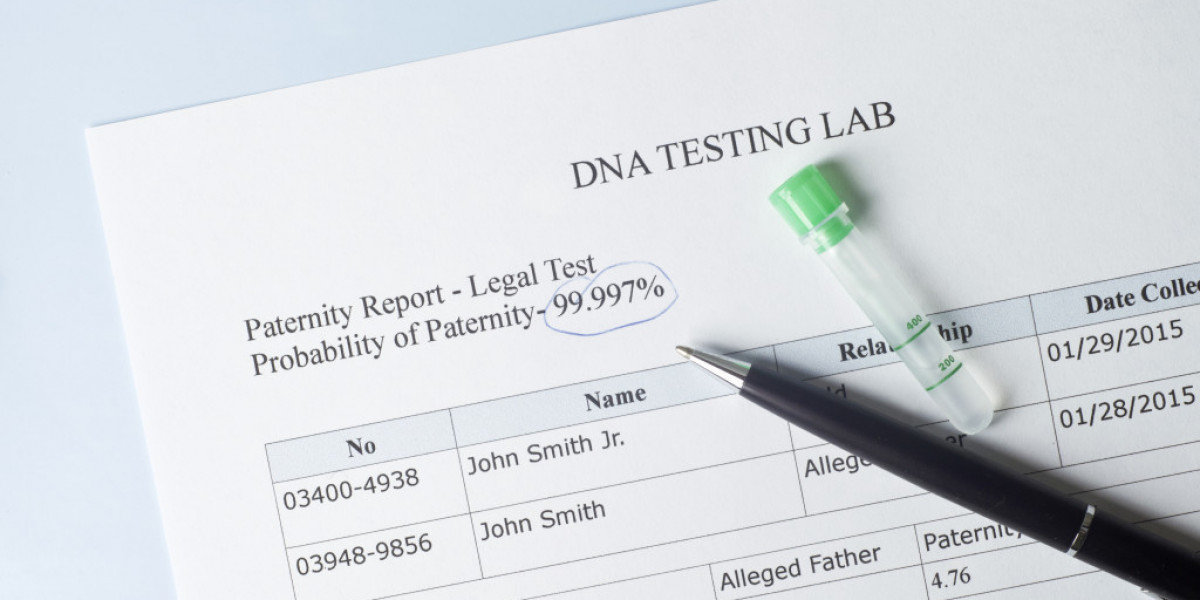

DNA testing has revolutionized the way we understand ourselves, from ancestry to health predispositions. However, the process behind analyzing genetic information is complex, involving advanced laboratory techniques, bioinformatics, and data interpretation. Understanding how DNA Test Dubai data is analyzed provides insight into the accuracy, reliability, and depth of modern genetic testing.
Collecting and Preparing DNA Samples:
The first step in analyzing DNA data begins with sample collection. Most consumer DNA tests use saliva or cheek swabs, which contain cells rich in genetic material. Proper collection is essential to ensure the DNA is intact and uncontaminated, as compromised samples can lead to inaccurate results.
Once collected, samples are labeled, stored, and prepared for laboratory processing. This preparation includes isolating DNA from cellular material and ensuring it meets quality standards for downstream analysis.
DNA Extraction: Isolating Genetic Material
Extraction is the process of separating DNA from other cellular components such as proteins and membranes. High-quality extraction is critical because impurities can interfere with genotyping or sequencing. Modern laboratories often use automated systems and chemical protocols to achieve consistent and precise DNA isolation.
This step transforms a simple biological sample into a pure source of genetic information ready for detailed analysis.
Genotyping: Mapping Specific Markers
Genotyping examines selected genetic markers, typically single nucleotide polymorphisms (SNPs), that are known to provide information about ancestry, traits, or health predispositions. These markers act as reference points, allowing laboratories to identify variations in an individual’s DNA.
Genotyping is efficient, cost-effective, and widely used in consumer DNA tests because it provides meaningful insights without the need for full DNA sequencing.
Sequencing: Reading the Genetic Code
For more comprehensive analysis, DNA sequencing reads the nucleotide sequence of a DNA segment or the entire genome. This method captures more detailed information, including rare variants and subtle differences that may influence health or traits.
Sequencing produces massive amounts of raw data, requiring sophisticated computational tools to translate these sequences into understandable and actionable insights.
Bioinformatics: Transforming Data Into Insights
Once genetic data is generated, bioinformatics software plays a central role in interpretation. Algorithms compare the DNA sample against reference databases, identify variants, and detect patterns associated with ancestry, health risks, or inherited traits.
Bioinformatics ensures that raw genetic information is converted into meaningful results. Statistical models, machine learning, and pattern recognition enhance the accuracy and reliability of these interpretations.
Reference Databases and Population Comparisons:
Reference databases contain genetic information from diverse populations and are essential for contextualizing DNA test data. By comparing an individual’s markers to these databases, laboratories can estimate ethnic ancestry, identify rare variants, or assess trait tendencies.
The diversity and size of these reference datasets directly impact the precision of genetic analysis, making continual database expansion a critical component of accurate DNA testing.
Quality Control and Validation:
Accurate analysis of DNA test data depends on rigorous quality control. Laboratories implement multiple checks, including sample verification, instrument calibration, and repeat testing of select markers. These procedures minimize errors and ensure results are consistent and reliable.
High-quality laboratories maintain strict protocols, contributing to the credibility of both ancestry and health-related findings.
Interpreting Variants and Risk Assessment:
DNA test analysis identifies genetic variants that may influence traits or health predispositions. Understanding the impact of these variants requires interpretation within a statistical and biological context. For example, a variant may indicate a higher likelihood of developing a condition, but environmental and lifestyle factors also play a significant role.
Professional guidance or genetic counseling can enhance interpretation, providing actionable insights while mitigating misunderstandings.
Delivering Results to Users:
After analysis, results are transformed into user-friendly reports. These reports often include ancestry composition, predicted traits, and potential health risks, presented with visualizations, charts, and explanatory notes.
Effective reporting bridges the gap between complex scientific data and practical understanding, allowing users to act on genetic insights with confidence.
Emerging Trends in DNA Data Analysis:
Advancements in artificial intelligence, machine learning, and multi-omics are transforming DNA test data analysis. AI algorithms can detect subtle patterns, predict health risks more accurately, and identify connections between genes and traits that were previously difficult to discern.
Multi-omics approaches combine DNA data with other biological layers, such as proteomics and metabolomics, offering a more comprehensive view of health and wellness beyond traditional genetic analysis.
Privacy and Ethical Considerations:
Analyzing DNA Test data raises ethical and privacy concerns. Secure storage, informed consent, and responsible sharing are critical for protecting sensitive genetic information. Users should be aware of how their data is handled, shared, and protected to ensure responsible use.
Ethical practices ensure that the benefits of genetic analysis are realized without compromising personal privacy.
Final Thoughts: The Science Behind Your DNA Results
DNA test data analysis is a multi-step process combining laboratory techniques, computational algorithms, and biological interpretation. From sample collection and extraction to genotyping, sequencing, and bioinformatics, each stage ensures that genetic information is accurately decoded and translated into actionable insights.
Understanding how DNA test data is analyzed helps users appreciate the depth and reliability of modern genetic testing. Beyond curiosity, it empowers individuals to make informed decisions about health, ancestry, and personal wellness, grounded in rigorous scientific processes.