
Safer Roads Depend on Structured Traffic Systems
Road networks across Australia are constantly evolving due to construction projects, infrastructure upgrades, maintenance works, and public events. These activities often take place in live traffic environments where vehicles, pedestrians, cyclists, and workers must share space safely. Without proper coordination, these conditions can lead to congestion, confusion, and increased accident risk.
Effective traffic control management and planning plays a vital role in ensuring safer road operations by organising traffic flow, reducing hazards, and maintaining clear communication between road users and site operators. Proper planning helps ensure that temporary changes to road conditions are managed safely and efficiently.
Improving Traffic Flow in Changing Road Conditions
Managing Lane Closures Safely
One of the most common challenges in road operations is managing lane closures caused by maintenance or construction activities. When lanes are reduced or redirected, traffic can quickly become congested if not controlled properly.
Traffic management systems help organise vehicle movement through clearly marked lanes, temporary signage, and controlled merging points to maintain smooth flow.
Reducing Traffic Congestion
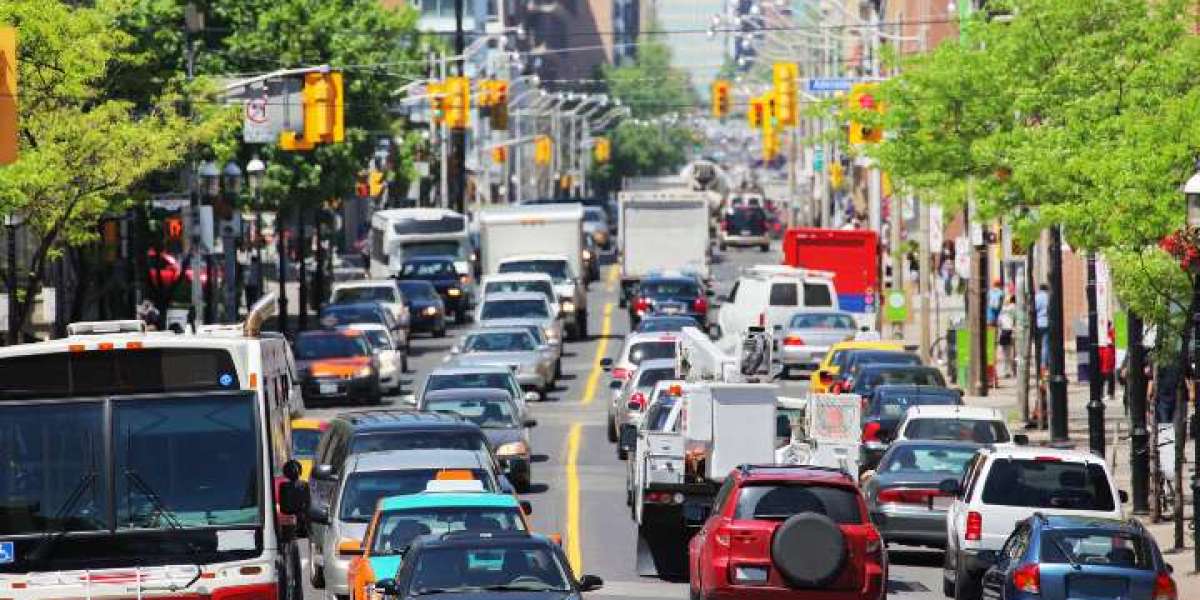
Heavy congestion increases the risk of sudden braking, aggressive driving, and collisions. Traffic control planning helps distribute vehicle flow more evenly by implementing detours, alternative routes, and timed traffic signals.
This reduces pressure on busy roads and improves overall safety.
Enhancing Safety for Road Workers
Separating Work Zones from Live Traffic
Road workers are often required to operate close to moving vehicles during construction, resurfacing, or maintenance projects. Traffic control systems create physical and visual separation between workers and traffic using barriers, cones, and fencing.
This separation significantly reduces the risk of workplace accidents.
Managing High-Risk Activities
Certain road operations such as asphalt laying, excavation, bridge repair, and utility installation involve higher safety risks. Traffic controllers monitor these activities closely and adjust traffic flow as needed to protect both workers and motorists.
Continuous supervision helps maintain safe working conditions.
Protecting Motorists and Reducing Accidents
Improving Driver Awareness
Changing road conditions can be confusing for drivers if not clearly communicated. Traffic control systems use warning signs, speed reductions, and directional guidance to help motorists understand what lies ahead.
Improved awareness reduces sudden lane changes and unsafe driving behaviour.
Preventing Road Collisions
Accidents often occur when drivers are unaware of road changes or when traffic flow becomes unpredictable. Structured traffic planning helps create predictable road environments that reduce confusion and improve reaction times.
This leads to safer outcomes for all road users.
Supporting Pedestrian and Cyclist Safety
Managing Safe Crossing Points
Pedestrians and cyclists are particularly vulnerable in areas where roadworks or traffic disruptions occur. Traffic control systems establish safe crossing points and temporary pathways to guide them around hazardous zones.
Clear pathways reduce the risk of accidents and improve accessibility.
Protecting Vulnerable Road Users
School children, elderly pedestrians, and individuals with mobility challenges may require additional support in busy traffic environments. Traffic management teams ensure these users are considered in all planning stages.
This improves inclusivity and safety across road networks.
Role of Traffic Controllers in Road Operations
Directing Traffic in Real Time
Traffic controllers are essential for managing live road conditions. They use stop-slow batons, hand signals, radios, and verbal instructions to guide vehicles safely through work zones.
Their presence helps reduce confusion and improve traffic flow efficiency.
Monitoring Road Conditions Continuously
Road environments can change rapidly due to weather, traffic volume, or construction activity. Traffic controllers continuously monitor conditions and adjust systems when required.
Real-time monitoring helps maintain safe and efficient road operations.
Temporary Traffic Devices and Infrastructure
Warning Signs and Speed Controls
Advance warning signs inform drivers about upcoming road changes such as lane closures, detours, or reduced speed zones. These signs help drivers prepare in advance and reduce sudden driving decisions.
Proper signage is a key element of road safety.
Barriers and Physical Separation
Cones, bollards, water barriers, and fencing are used to separate live traffic from hazardous work zones. These devices create clear boundaries that improve safety for both workers and motorists.
Physical separation reduces accidental entry into restricted areas.
Managing Road Closures and Diversions
Organising Safe Detour Routes
When roads are closed, traffic must be redirected safely to alternative routes. Traffic planning ensures detours are clearly marked and easy to follow, reducing confusion for motorists.
Well-designed diversions help maintain traffic flow and safety.
Minimising Disruption to Surrounding Areas
Road closures can impact nearby businesses, residential areas, and public facilities. Traffic control systems help minimise disruption by maintaining organised access routes and clear communication with road users.
This supports smoother community movement during roadworks.
Emergency Access and Incident Response
Keeping Emergency Routes Clear
Emergency services must always have access to affected areas, even during roadworks or traffic disruptions. Traffic control planning ensures designated emergency routes remain open at all times.
This is critical for public safety and rapid response.
Responding to Unexpected Incidents
Incidents such as vehicle breakdowns, accidents, or equipment failures can occur without warning. Traffic control teams are trained to respond quickly and adjust traffic conditions to manage risks.
Fast response helps prevent further hazards.
Communication and Coordination in Road Operations
Clear Instructions for Road Users
Effective communication is essential for safe road operations. Traffic controllers use visual signals, signage, and verbal instructions to guide drivers through changing conditions.
Clear communication reduces confusion and unsafe behaviour.
Coordination With Construction Teams
Traffic control teams work closely with engineers, contractors, machinery operators, and supervisors to ensure road operations remain safe and efficient.
Strong coordination improves project delivery and safety outcomes.
Technology in Modern Traffic Management
Portable Traffic Signals
Portable traffic lights are often used in roadworks to control vehicle flow safely through restricted areas. These systems help reduce manual traffic control requirements and improve efficiency.
They also provide consistent traffic movement in changing conditions.
Real-Time Traffic Monitoring Systems
Digital tools and monitoring systems allow traffic controllers to track traffic flow and adjust conditions instantly when needed.
This improves responsiveness and supports safer road operations.
Public Confidence and Road Safety
Visible Safety Measures Build Trust
When motorists see organised traffic systems, clear signage, and trained traffic controllers, they are more likely to follow instructions and drive safely.
This increases overall public confidence in road safety measures.
Reducing Driver Stress and Frustration
Well-managed traffic systems reduce delays and confusion, helping drivers feel more comfortable navigating construction zones or road changes.
This leads to safer driving behaviour and improved road outcomes.
Frequently Asked Questions
What is traffic control management and planning?
It is the process of organising traffic flow, safety systems, signage, and road access during construction, maintenance, or public events.
Why is traffic control important for road safety?
It reduces accidents, improves traffic flow, protects workers, and ensures motorists and pedestrians can move safely through affected areas.
What tools are used in traffic control?
Common tools include warning signs, cones, barriers, portable traffic signals, detour routes, and electronic message boards.
Do road projects require traffic management plans in Australia?
Yes, most roadworks and infrastructure projects must follow approved traffic management plans to comply with safety regulations.