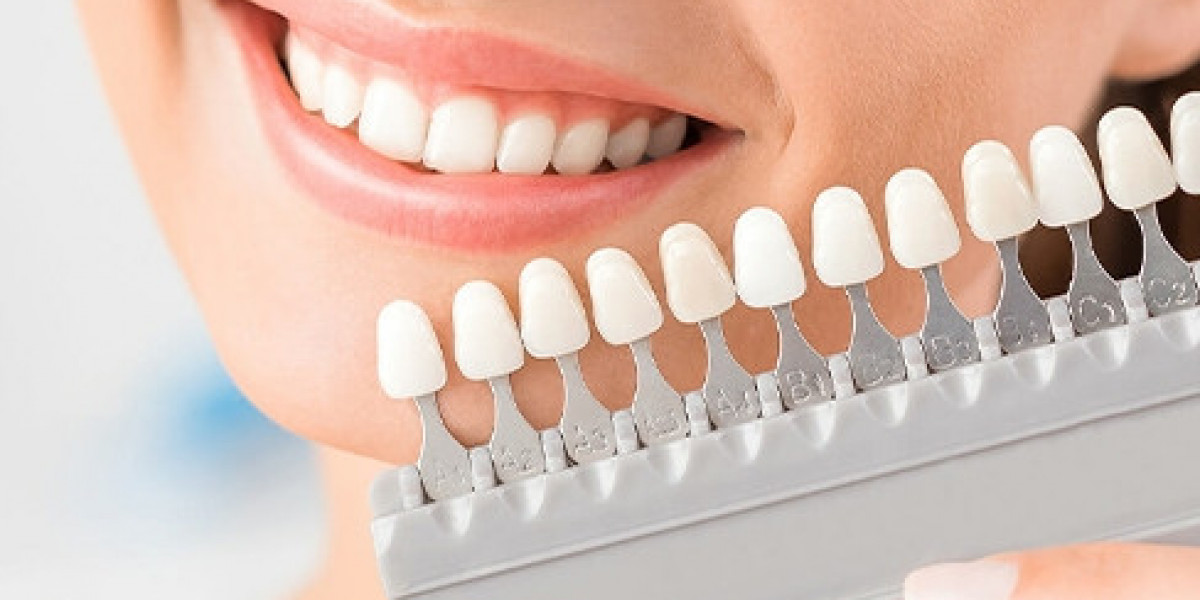

Dental crowns and bridges are widely used restorative treatments designed to protect damaged teeth and replace missing ones. Patients often ask how long these restorations will last and what factors influence their durability. Understanding the lifespan of dental crowns and bridges can help individuals make informed decisions and maintain their oral health over time. For those considering dental crowns & bridges in Tempe or dental crowns & bridges in Arizona, knowing what to expect is an important part of the treatment process.
Understanding Dental Crowns & Bridges
Dental crowns are custom-made caps placed over damaged or weakened teeth to restore their strength, shape, and function. Dental bridges are used to replace one or more missing teeth by anchoring artificial teeth to adjacent natural teeth or dental implants. Both treatments are designed to restore normal biting and chewing while improving the appearance of the smile. When properly cared for, crowns and bridges can provide long-lasting results.
Average Lifespan of Dental Crowns
On average, dental crowns can last between 10 and 15 years, although many last much longer. Some patients enjoy their crowns for 20 years or more with excellent oral care and regular dental checkups. The longevity of a crown depends on factors such as the material used, oral hygiene habits, and bite forces. Porcelain, ceramic, metal, and porcelain-fused-to-metal crowns each have different durability levels, but all are designed for long-term use.
Average Lifespan of Dental Bridges
Dental bridges typically last between 10 and 15 years, similar to crowns. In some cases, bridges can last even longer if the supporting teeth and surrounding gums remain healthy. Because bridges rely on neighboring teeth for support, the health of these anchor teeth plays a significant role in how long the bridge will function properly. Proper cleaning around the bridge is essential to prevent decay and gum disease.
Factors That Affect Longevity
Several factors influence how long dental crowns and bridges last. Oral hygiene is one of the most important. Brushing twice a day, flossing daily, and attending regular dental visits help protect the underlying teeth and gums. Diet also matters, as chewing hard foods or ice can cause damage. Teeth grinding or clenching, known as bruxism, can place excessive pressure on restorations and shorten their lifespan if left untreated.
The Role of Materials in Durability
The materials used for crowns and bridges affect their strength and longevity. Metal crowns are known for their durability and resistance to wear, making them suitable for back teeth. Porcelain and ceramic crowns offer a more natural appearance and are commonly used for front teeth. Porcelain-fused-to-metal options balance strength and aesthetics. Your dentist will recommend the best material based on your needs, bite, and location of the restoration.
Importance of Proper Oral Hygiene
Maintaining good oral hygiene is critical to extending the life of dental crowns and bridges. While the restorations themselves cannot decay, the natural teeth supporting them can. Plaque buildup around the edges of crowns or beneath bridges can lead to cavities or gum disease. Using floss threaders or special interdental brushes helps clean hard-to-reach areas and protects the supporting structures.
Regular Dental Visits and Maintenance
Routine dental checkups allow dentists to monitor the condition of crowns and bridges and address minor issues before they become major problems. Professional cleanings remove plaque and tartar that daily brushing may miss. Dentists can also identify signs of wear, cracks, or loosening early, helping preserve the restoration for as long as possible.
Signs That a Crown or Bridge May Need Replacement
Even with excellent care, dental crowns and bridges may eventually need replacement. Common signs include discomfort, visible cracks, loosening, gum irritation, or changes in bite alignment. Dark lines near the gum line or recurring decay around the restoration may also indicate a problem. Prompt evaluation ensures continued oral health and prevents further damage.
Advancements in Dental Technology
Modern dental technology has improved the longevity of crowns and bridges. Digital impressions, advanced materials, and precise fabrication techniques create better-fitting restorations that last longer. Patients seeking dental crowns & bridges in Arizona benefit from these advancements, which enhance comfort, durability, and overall treatment outcomes.
Choosing Dental Crowns & Bridges in Tempe and Arizona
Patients looking for dental crowns & bridges in Tempe or dental crowns & bridges in Arizona can expect personalized treatment plans focused on long-term success. Experienced dental professionals consider individual needs, lifestyle habits, and oral health goals when designing restorations. Choosing quality care plays a significant role in how long crowns and bridges will last.
Conclusion
Dental crowns and bridges are reliable, long-term solutions for restoring damaged or missing teeth. With proper care, quality materials, and regular dental visits, they can last many years and provide lasting comfort and functionality. Understanding the factors that affect their lifespan helps patients protect their investment and enjoy a healthy, confident smile for the long term.