
Traditional metal braces are a highly effective solution for correcting misaligned teeth, overcrowding, and bite issues. While they provide reliable results, maintaining proper oral care during treatment is essential to prevent complications such as decay, gum disease, or staining. Understanding how to care for teeth with traditional metal braces ensures both effective orthodontic treatment and long-term dental health.
Understanding Traditional Metal Braces
What Are Traditional Metal Braces?
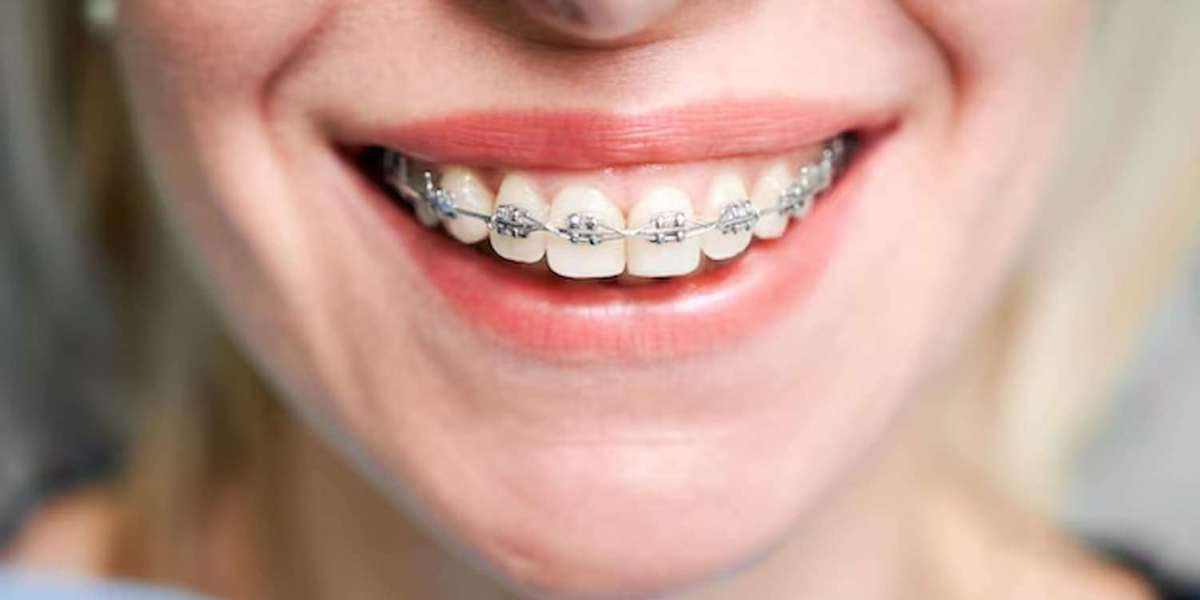
Traditional metal braces consist of metal brackets attached to each tooth and connected with wires and elastic bands. These components work together to gradually move teeth into proper alignment. While modern braces are smaller and more comfortable than earlier versions, proper care remains critical throughout treatment.
Benefits of Metal Braces
Metal braces are durable, effective for complex orthodontic cases, and suitable for patients of all ages. They provide precise control over tooth movement and are often more affordable compared to clear aligners or ceramic braces. With consistent care, they can achieve long-lasting, beautifully aligned smiles.
Oral Hygiene With Braces
Brushing Techniques
Brushing with traditional metal braces requires attention to detail. Patients should use a soft-bristled toothbrush or an electric toothbrush and brush at least twice daily, cleaning around brackets and wires. Angle the brush at 45 degrees to remove plaque from the gum line and between brackets.
Flossing Strategies
Flossing is more challenging with braces but remains essential. Using floss threaders, interdental brushes, or water flossers allows patients to clean between teeth and under the wires effectively. Daily flossing prevents plaque buildup, cavities, and gum inflammation during orthodontic treatment.
Using Mouth Rinses
Antimicrobial or fluoride mouth rinses can reduce bacterial buildup and strengthen enamel around braces. Rinsing after meals or before bed helps maintain oral hygiene and reduces the risk of white spots or decay.
Diet Considerations With Braces
Foods to Avoid
Patients with traditional metal braces should avoid hard, sticky, or sugary foods that can damage brackets, bend wires, or contribute to tooth decay. Examples include hard candies, chewing gum, caramel, and crunchy snacks.
Safe Food Choices
Soft fruits, cooked vegetables, yogurt, cheese, and pasta are safe options that minimize stress on braces. Cutting food into smaller pieces also reduces the risk of dislodging brackets and makes eating more comfortable.
Managing Discomfort From Eating
It is common to experience soreness after adjustments. Eating soft foods like soups, mashed potatoes, or smoothies can relieve discomfort while providing necessary nutrients for oral health.
Handling Common Braces Challenges
Dealing With Loose Brackets or Wires
Accidents may happen, such as a loose bracket or a poking wire. Patients should contact their orthodontist for repair and use orthodontic wax to protect the inside of the cheeks or lips temporarily. Prompt attention prevents further damage or irritation.
Preventing White Spots
White spots, caused by demineralization, can develop if oral hygiene is neglected. Consistent brushing, flossing, and fluoride use help prevent these marks and maintain the appearance of teeth after braces are removed.
Managing Pain and Soreness
Pain or discomfort is normal after adjustments. Over-the-counter pain relievers, soft foods, and orthodontic wax can reduce irritation and make the experience more comfortable.
Regular Dental Visits
Orthodontic Adjustments
Regular appointments with the orthodontist ensure that braces are functioning correctly and teeth are moving according to the treatment plan. Timely adjustments prevent delays and maximize treatment effectiveness.
Routine Dental Check-Ups
Even with braces, patients must continue visiting their general dentist for professional cleanings and examinations. These visits prevent cavities, gum disease, and other oral health issues that can complicate orthodontic treatment.
Monitoring Oral Health
Dentists and orthodontists work together to monitor gum health, enamel condition, and overall oral hygiene. Early intervention for any issues ensures a smooth treatment process and healthier teeth after braces are removed.
Conclusion
Caring for teeth with traditional metal braces requires dedication, proper brushing and flossing, mindful eating, and consistent dental visits. With diligent oral hygiene and professional guidance, patients can achieve beautifully aligned teeth while maintaining excellent oral health. For expert orthodontic care, adjustments, and personalized oral hygiene advice during treatment, patients can consult with Clove Dental santa monica to ensure a safe, effective, and comfortable braces experience.
Click here for comprehensive dental solutions under one roof.