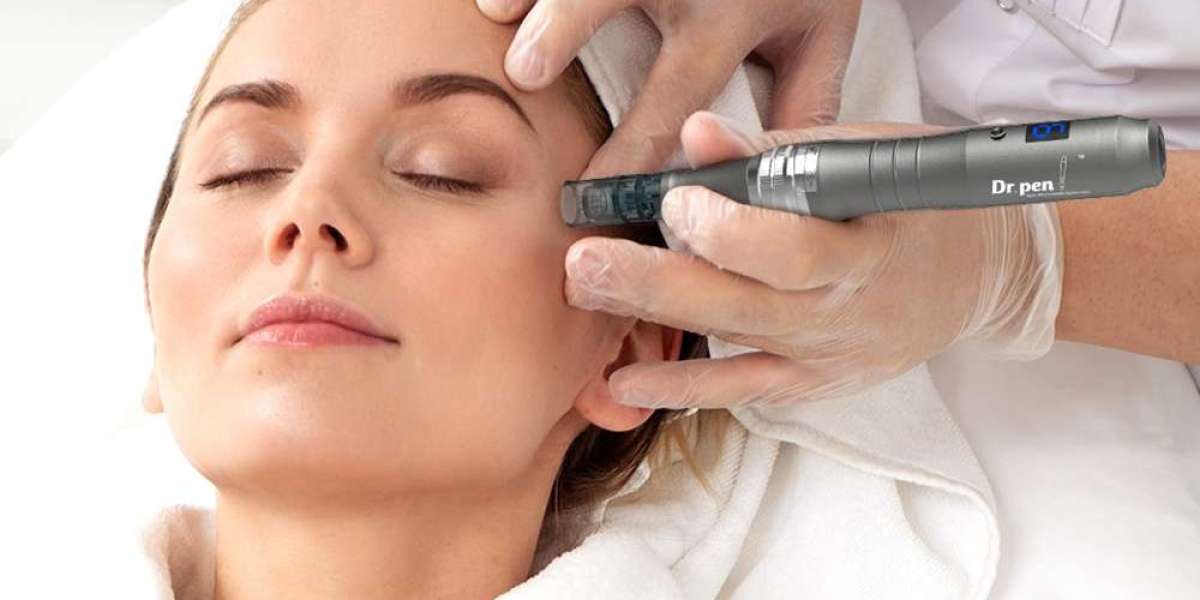

Uneven skin tone, dark patches, and stubborn discoloration can affect not only appearance but also self-confidence. Pigmentation issues such as melasma, sunspots, post-inflammatory hyperpigmentation, and age spots are common across all skin types, particularly in regions with high sun exposure. Effective treatment requires more than cosmetic solutions—it demands medical expertise, accurate diagnosis, and advanced technology. At Derma clinic Dubai, pigmentation is treated through a structured, dermatologist-led approach that focuses on long-term clarity and skin health.
Understanding Pigmentation: Causes and Types
Pigmentation occurs when excess melanin is produced in certain areas of the skin. While melanin protects against UV damage, overproduction can lead to uneven skin tone.
Common types of pigmentation include:
Melasma (often hormonally triggered)
Sunspots and age spots
Post-inflammatory hyperpigmentation (PIH) from acne or injury
Freckles
Drug-induced pigmentation
Each type requires a different treatment strategy. Dermatologists carefully differentiate between superficial and deep pigmentation before recommending procedures.
Step One: Comprehensive Dermatological Assessment
Successful pigmentation treatment begins with accurate diagnosis. At Dermatech Polyclinic, dermatologists perform detailed skin evaluations that may include:
Clinical examination under specialized lighting
Skin type assessment
Review of hormonal and medical history
Identification of triggering factors such as sun exposure or skincare products
Understanding whether pigmentation is epidermal (surface-level) or dermal (deeper) helps determine the safest and most effective treatment path.
Customized Treatment Plans for Targeted Results:
Pigmentation cannot be treated with a one-size-fits-all solution. Dermatologists create personalized protocols that may combine multiple therapies depending on severity and skin sensitivity.
A typical treatment plan may include:
Laser therapy
Chemical peels
Medical-grade topical treatments
Oral medications if necessary
Strict sun protection strategies
The goal is not only to fade discoloration but also to prevent recurrence.
Advanced Laser Treatments for Pigmentation Removal:
Laser technology plays a major role in modern pigmentation treatment. Medical-grade lasers target melanin deposits with precision while protecting surrounding tissue.
Q-Switched and Fractional Lasers:
These lasers break down pigment particles into smaller fragments, allowing the body to naturally eliminate them. They are commonly used for:
Sunspots
Age spots
Stubborn melasma
Dermatologist supervision ensures the correct wavelength and intensity are selected for different skin tones, reducing the risk of post-treatment hyperpigmentation.
Laser Toning for Even Complexion:
Laser toning is a gentle procedure that gradually brightens the skin and improves overall texture. It is particularly effective for individuals with mild to moderate pigmentation concerns.
Chemical Peels for Surface Pigment Correction:
Chemical peels accelerate cell turnover, helping shed pigmented surface layers. Dermatologists select peel types based on skin sensitivity and pigmentation depth.
Common peel options include:
Glycolic acid for brightening
Salicylic acid for acne-related pigmentation
TCA peels for deeper discoloration
Regular sessions can significantly improve skin tone while stimulating collagen production.
Medical-Grade Topical Treatments:
Topical skincare is essential for both treatment and maintenance. Dermatologists may prescribe products containing:
Hydroquinone
Retinoids
Vitamin C
Azelaic acid
Kojic acid
These ingredients work by inhibiting melanin production and promoting even skin tone. Customized regimens are adjusted based on skin response and progress.
Addressing Hormonal and Internal Triggers:
Certain pigmentation conditions, especially melasma, are influenced by hormonal fluctuations. Dermatologists may recommend:
Hormonal evaluations
Oral medications when appropriate
Lifestyle modifications to reduce triggers
Treating internal causes alongside external therapies ensures more stable and long-lasting results.
The Critical Role of Sun Protection:
Sun exposure is one of the primary triggers of pigmentation recurrence. At Dermatech Polyclinic, patient education is emphasized as part of every treatment plan.
Essential sun protection measures include:
Daily use of broad-spectrum SPF 50 sunscreen
Reapplication every two to three hours
Wearing protective clothing and hats
Avoiding peak sun hours
Without proper sun care, even the most advanced treatments may not deliver sustained improvement.
Combination Therapies for Enhanced Outcomes:
For more resistant pigmentation, dermatologists often combine treatments. Examples include:
Laser sessions followed by topical brightening therapy
Chemical peels paired with laser toning
PRP therapy combined with resurfacing treatments
This layered approach enhances effectiveness while maintaining skin integrity.
Safe Treatment for Diverse Skin Tones:
Treating pigmentation in darker skin tones requires special expertise. Incorrect laser settings or aggressive procedures can worsen discoloration. Dermatologists at Dermatech polyclinic carefully calibrate devices and select treatments suitable for all skin types, minimizing risks while maximizing clarity.
Monitoring Progress and Preventing Recurrence:
Pigmentation treatment is not an overnight process. Visible improvements often occur gradually over multiple sessions. Dermatologists schedule follow-ups to:
Monitor skin response
Adjust treatment intensity
Modify skincare regimens
Ensure patient comfort and safety
Long-term maintenance plans are designed to sustain results and prevent relapse.
Why Choose a Dermatologist-Led Approach?
Pigmentation can be complex and recurring if not treated correctly. A dermatologist-led clinic provides:
Accurate diagnosis of pigmentation type
Evidence-based treatment methods
Safe application of advanced technology
Customized skincare prescriptions
Continuous follow-up care
This comprehensive model reduces the risk of complications and improves long-term skin health.
Who Can Benefit from Pigmentation Treatment?
Professional pigmentation treatment is ideal for individuals who experience:
Persistent dark patches
Uneven skin tone
Acne-related discoloration
Sun-induced spots
Melasma linked to pregnancy or hormonal changes
Early intervention often leads to faster and more predictable outcomes.
Final Thoughts:
Pigmentation issues can be frustrating, but with the right medical guidance, clearer and more even-toned skin is achievable. Effective treatment requires a combination of precise diagnosis, advanced laser technology, medical-grade skincare, and consistent sun protection.
At Dermatech Polyclinic, pigmentation is addressed through a structured and personalized approach that prioritizes both safety and lasting results. By integrating expertise with innovation, the clinic provides patients with a reliable pathway toward brighter, healthier, and more confident skin.