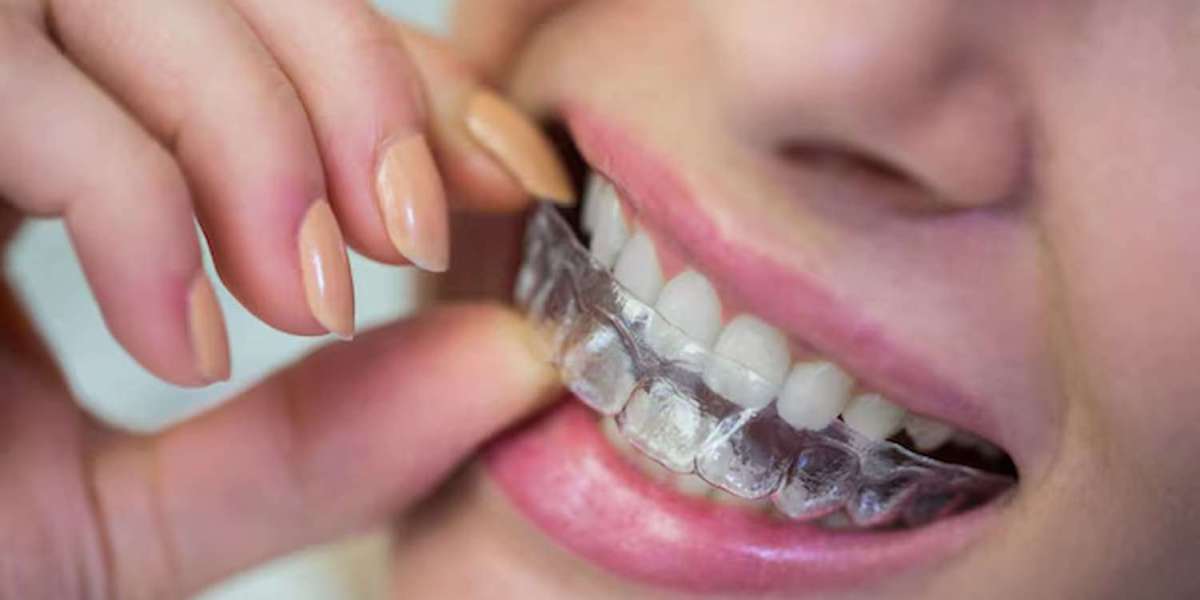

Teeth grinding and jaw clenching are common habits that often go unnoticed, especially when they occur during sleep. Over time, these habits can lead to significant dental damage, discomfort, and long term oral health concerns. Recognizing the warning signs early can help individuals seek timely intervention and prevent complications. A night guard for teeth is a protective dental appliance designed to cushion and shield teeth from the harmful effects of grinding and clenching. Understanding the symptoms that indicate the need for this preventive solution can make a meaningful difference in preserving both comfort and dental health.
Understanding Teeth Grinding and Clenching
What Is Bruxism
Bruxism is the involuntary grinding or clenching of teeth, often occurring during sleep. Some individuals may also grind their teeth during the day without realizing it. This condition can be linked to stress, anxiety, sleep disorders, or misaligned teeth. Because it frequently happens unconsciously, many people remain unaware of the issue until noticeable symptoms appear.
The repetitive force created by grinding places pressure on teeth and jaw muscles. Over time, this pressure can weaken enamel and strain the jaw joint. Identifying bruxism early allows for effective preventive care and reduces the risk of serious complications.
Why Bruxism Should Not Be Ignored
Ignoring bruxism can lead to progressive damage that becomes increasingly difficult to manage. Continuous grinding may result in chipped teeth, jaw pain, and chronic headaches. In severe cases, it can contribute to disorders affecting the temporomandibular joint.
Early detection helps prevent these complications. Seeking professional evaluation ensures appropriate recommendations, including whether a night guard for teeth is necessary. Preventive intervention supports long term oral stability and comfort.
Frequent Morning Headaches
Connection Between Grinding and Head Pain
Waking up with recurring headaches can be a strong indicator of nighttime grinding. The tension created by clenching places strain on facial and jaw muscles. This tension often radiates upward, leading to persistent discomfort in the temples or forehead.
Many individuals may attribute morning headaches to stress or poor sleep, unaware of the dental cause. When headaches occur regularly without a clear explanation, a dental assessment may reveal underlying bruxism.
Relief Through Protective Measures
Using a night guard can significantly reduce muscle tension during sleep. By cushioning the teeth and distributing pressure evenly, it minimizes strain on the jaw. Over time, individuals often notice a decrease in headache frequency and intensity.
Consistent use promotes greater comfort upon waking. Addressing the root cause rather than masking symptoms leads to more sustainable relief. Preventive care remains essential in managing bruxism related discomfort.
Jaw Pain and Stiffness
Morning Jaw Discomfort
Jaw soreness or stiffness upon waking is another common sign of grinding. The repetitive clenching motion exhausts jaw muscles, leaving them fatigued and tender. Some individuals may also experience difficulty opening their mouth fully.
Persistent jaw discomfort can interfere with daily activities such as speaking and chewing. When symptoms continue without improvement, it is important to consider professional evaluation. Early intervention prevents worsening of joint related concerns.
Clicking or Popping Sounds
Unusual clicking or popping noises in the jaw may indicate excessive strain on the temporomandibular joint. Grinding intensifies pressure on this joint, potentially leading to inflammation or imbalance. Over time, these symptoms can become more pronounced.
Wearing a night guard for teeth reduces stress on the joint and surrounding muscles. Protecting the jaw from nightly pressure helps restore comfort and function. Monitoring these signs allows for timely preventive care.
Visible Tooth Damage
Flattened or Worn Teeth
Teeth that appear flattened or shorter than usual may be experiencing gradual wear from grinding. Enamel erosion weakens the protective outer layer, increasing vulnerability to cavities and sensitivity. This wear may not be immediately noticeable but becomes evident over time.
Routine dental visits help detect subtle changes in tooth structure. When wear patterns are identified early, preventive measures can preserve enamel and prevent further damage.
Chipped or Cracked Teeth
Grinding generates significant force that can lead to small chips or cracks in teeth. These imperfections may initially seem minor but can worsen without protection. Cracks may also allow bacteria to enter deeper layers of the tooth.
A night guard for teeth acts as a barrier, absorbing much of the pressure that causes fractures. Preventing structural damage supports the longevity of natural teeth and existing restorations. Early treatment minimizes the need for complex procedures.
Increased Tooth Sensitivity
Sensitivity to Temperature
Enamel erosion from grinding can expose the underlying dentin layer. This exposure often leads to heightened sensitivity to hot or cold foods and beverages. Sudden discomfort when consuming everyday items may signal enamel wear.
Addressing the cause of sensitivity is essential for long term relief. While desensitizing toothpaste may offer temporary comfort, protective solutions like a night guard address the underlying issue.
Discomfort While Chewing
Sensitivity or pain while chewing may result from structural weakening caused by grinding. Continuous pressure can create micro fractures that affect normal function. This discomfort can gradually worsen if not addressed.
Using a protective appliance during sleep reduces stress on affected teeth. By preventing further damage, it allows teeth to function more comfortably during daily activities.
Sleep Disturbances and Partner Observations
Reports of Grinding Noises
Often, a sleeping partner may notice grinding sounds before the individual becomes aware of the habit. Audible grinding is a clear indication that teeth are under excessive pressure during sleep. These sounds can be disruptive and signal significant force.
If a partner reports such noises consistently, seeking professional evaluation is advisable. Early use of a night guard can prevent ongoing damage and protect oral health.
Interrupted Sleep Patterns
Grinding may contribute to restless sleep or frequent awakenings. Muscle tension and jaw discomfort can disrupt the natural sleep cycle. Over time, this may impact overall wellbeing and daytime energy levels.
Reducing nighttime pressure supports more restful sleep. A well fitted protective appliance promotes relaxation of jaw muscles and contributes to improved sleep quality.
Protecting Dental Restorations
Safeguarding Crowns and Fillings
Individuals with crowns, veneers, or fillings are at greater risk of damage from grinding. Excessive force can weaken or dislodge restorations, requiring repair or replacement. Protecting these investments is essential for long term oral health.
A night guard for teeth provides a protective cushion that reduces stress on restorations. By minimizing force, it helps extend their lifespan and maintain structural integrity.
Preventing Costly Treatments
Untreated grinding can lead to complex dental issues that require extensive procedures. Preventive measures are typically more affordable and less invasive. Early use of a night guard can reduce the likelihood of future restorative treatments.
Taking proactive steps preserves both comfort and financial resources. Consistent protection supports lasting oral stability and confidence.
When to Seek Professional Evaluation
Importance of Dental Assessment
If multiple symptoms such as jaw pain, headaches, or tooth wear are present, scheduling a dental evaluation is recommended. Dentists assess bite alignment, enamel condition, and jaw function. This comprehensive approach ensures accurate diagnosis.
Timely consultation allows for customized recommendations. Early intervention enhances comfort and prevents complications from worsening.
Personalized Protective Solutions
A professionally made night guard is designed to fit precisely and provide optimal protection. Unlike generic options, it aligns with the individual’s bite pattern and ensures comfort throughout the night. Personalized solutions deliver more reliable results.
Ongoing monitoring ensures the appliance remains effective. Regular checkups support adjustments if needed and maintain long term benefits.
Conclusion
Recognizing the signs that indicate the need for a night guard is essential for protecting oral health and preventing long term damage. Symptoms such as morning headaches, jaw stiffness, tooth wear, and increased sensitivity often signal underlying grinding or clenching habits. Addressing these warning signs early with a protective solution can preserve enamel, reduce discomfort, and safeguard dental restorations. By seeking professional evaluation and preventive care, individuals can maintain comfort and confidence in their smiles. Those looking for expert guidance and customized solutions can rely on the comprehensive care provided by Clove Dental sherman oaks, where patient wellbeing and long term oral health remain a priority.