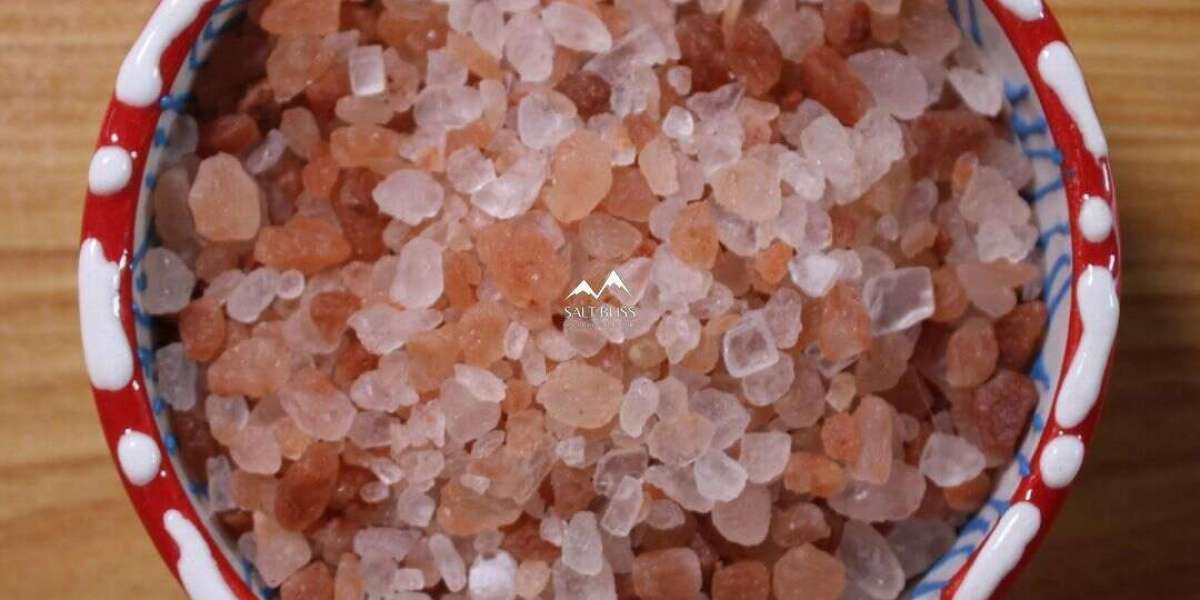

As people become more conscious of what they consume, natural ingredients are increasingly replacing heavily processed foods in everyday kitchens. Among these, dark Himalayan salt has emerged as a trusted, mineral-rich seasoning valued for its purity, taste, and traditional origins. More than just a salt, it represents a return to natural, unrefined food choices that prioritize quality and balance.
Unlike conventional table salt, which is stripped of minerals during processing, dark Himalayan salt is harvested in its natural form and retains trace elements that contribute to both flavor and overall appeal. This article explores why dark Himalayan salt is considered a natural mineral-rich seasoning and how it can enhance modern cooking and lifestyle practices.
Understanding Dark Himalayan Salt
Dark Himalayan salt is mined from ancient salt deposits in the Himalayan region. Its deep color—ranging from dark pink to purplish-brown—is a result of naturally occurring minerals, particularly iron.
This salt is minimally processed, meaning it is cleaned and crushed without chemical refinement. As a result, it retains its natural structure, mineral profile, and earthy taste, making it a preferred option for those seeking clean and traditional food ingredients.
Mineral Content and Natural Composition
While all salt consists mainly of sodium chloride, dark Himalayan salt stands out because of its trace mineral content. These minerals are naturally embedded within the salt crystal structure.
Common minerals include:
Iron, contributing to color and mineral density
Magnesium, associated with muscle and nerve function
Potassium, important for fluid balance
Calcium, supporting bones and muscles
Although present in small amounts, these minerals give dark Himalayan salt its unique characteristics and differentiate it from refined salts.
Why Dark Himalayan Salt Is Considered Mineral-Rich
The term “mineral-rich” does not imply that salt replaces dietary supplements. Instead, it reflects the presence of naturally occurring elements that remain intact due to minimal processing.
Refined salt undergoes bleaching and chemical treatment, removing most minerals. Dark Himalayan salt, by contrast, maintains its natural composition, making it a more complete seasoning from a natural perspective.
Flavor Profile of Dark Himalayan Salt
One of the most appreciated qualities of dark Himalayan salt is its flavor. It offers:
A deep, earthy taste
Subtle mineral undertones
Less sharp saltiness compared to refined salt
This balanced flavor allows food to taste seasoned rather than overly salty. Many cooks find they can use smaller amounts while achieving better results.
Using Dark Himalayan Salt as a Seasoning
Everyday Cooking
Dark Himalayan salt works well in daily cooking and can easily replace regular salt in most recipes:
Vegetables and stir-fries
Rice, grains, and lentils
Soups and broths
Meat and plant-based proteins
Its mineral depth enhances natural flavors without overpowering dishes.
Finishing and Garnishing
Because of its darker color and texture, dark Himalayan salt is often used as a finishing salt. Sprinkled lightly just before serving, it adds both taste and visual appeal.
Popular uses include:
Roasted vegetables
Salads and grain bowls
Eggs and breakfast dishes
Grilled or baked foods
This final touch elevates presentation and dining experience.
Spice Blends and Seasoning Mixes
Dark Himalayan salt pairs well with herbs and spices. It is commonly used in homemade seasoning blends, dry rubs, and marinades.
Its mineral complexity complements ingredients like black pepper, garlic, cumin, paprika, and dried herbs.
Dark Himalayan Salt in Traditional Food Practices
For centuries, mineral salts have been used in traditional cooking systems around the world. Dark Himalayan salt has long been valued for its taste, preservation properties, and natural composition.
In traditional cuisines, it is often used to:
Enhance digestion-friendly meals
Preserve foods naturally
Balance flavors in slow-cooked dishes
These practices continue to influence modern culinary trends.
Health-Conscious Seasoning Choice
While salt consumption should always be moderate, many people choose dark Himalayan salt as a cleaner alternative to refined salt.
Reasons include:
No artificial additives
Minimal processing
Natural mineral presence
Better flavor control
For individuals aiming to reduce processed foods, switching to natural seasoning options is a meaningful step.
Wellness and Lifestyle Uses
Beyond cooking, dark Himalayan salt is also used in wellness routines:
Bath and Relaxation
Mineral salt baths are traditionally associated with relaxation and muscle comfort.
Skin Care
Its coarse texture makes it suitable for exfoliating body scrubs when mixed with natural oils.
Holistic Practices
Natural salts are often incorporated into grounding and self-care rituals focused on balance and relaxation.
These additional uses add to its value as a multifunctional natural product.
Comparison with Other Salts
Versus Table Salt
Table salt is heavily refined
Dark Himalayan salt is natural and unprocessed
Table salt contains additives
Dark Himalayan salt is typically additive-free
Versus Sea Salt
Sea salt mineral content varies by source
Dark Himalayan salt comes from ancient mineral deposits
Dark Himalayan salt has consistent composition
These differences explain its growing preference among natural food enthusiasts.
Storage and Shelf Life
Dark Himalayan salt has an extremely long shelf life when stored correctly:
Keep in an airtight container
Store in a dry place
Avoid moisture exposure
Use clean utensils
Proper storage ensures consistent quality and flavor over time.
Sustainability and Ethical Value
Dark Himalayan salt is often hand-mined using traditional methods that reduce environmental impact. Ethical sourcing supports local communities and preserves historical mining practices.
Sustainability-conscious consumers appreciate products that align with environmental and social responsibility.
Who Should Use Dark Himalayan Salt?
Dark Himalayan salt is ideal for:
Home cooks seeking natural seasoning
Gourmet chefs and food lovers
Wellness-focused households
Individuals reducing processed foods
As always, moderation is key, especially for those monitoring sodium intake.
Incorporating Dark Himalayan Salt into Daily Life
Simple ways to use it daily include:
Replacing refined salt in cooking
Using it as a finishing seasoning
Adding it to homemade spice blends
Including it in wellness routines
These small changes can significantly enhance both taste and lifestyle quality.
Final Thoughts
Dark Himalayan salt stands out as a natural mineral-rich seasoning that brings depth, balance, and authenticity to modern cooking. With its distinctive flavor, natural composition, and versatility, dark Himalayan salt offers a meaningful alternative to refined salts. When used mindfully, it enhances everyday meals while supporting a clean, natural, and holistic lifestyle.