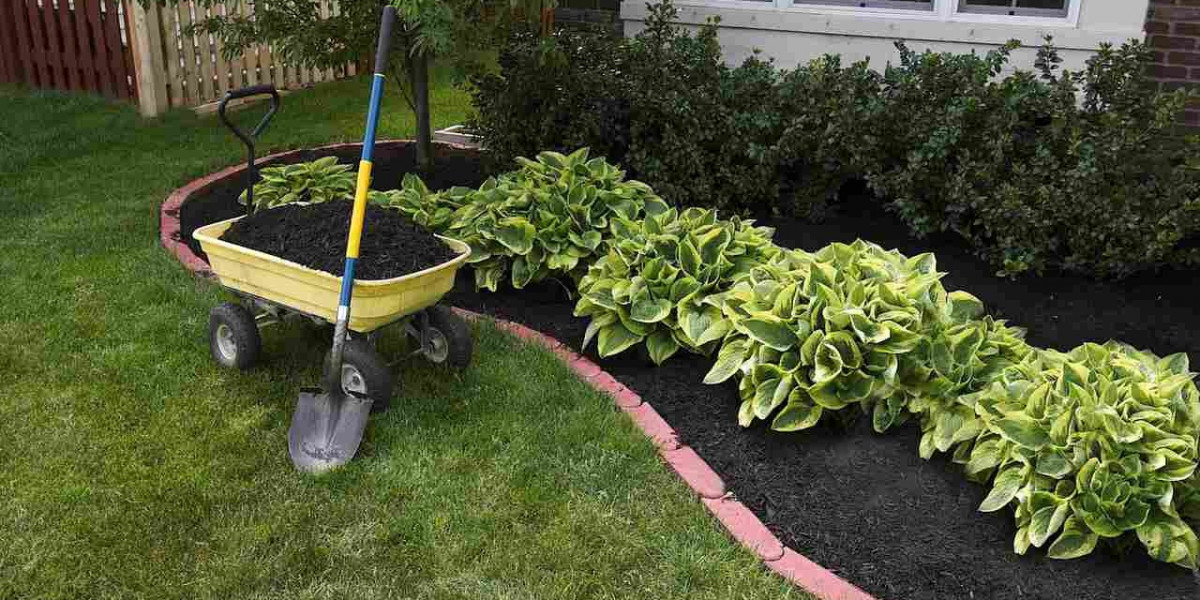

Mulching services can help regulate underground soil temperatures by creating a protective layer that slows heat loss in winter and reduces heat gain in summer. Mulch acts as insulation, keeping soil more stable than bare ground. This stability supports healthier roots and improves plant performance across seasons.
This article explains how mulch works, which types work best, and how contractors apply it to protect soil. It also covers common misconceptions and practical steps homeowners can take to ensure mulch delivers real temperature benefits. The guidance reflects industry experience and local climate realities.
Mulching is a common service in the landscaping industry because it provides multiple benefits beyond temperature control. It reduces evaporation, limits weed growth, and improves soil structure over time. The following sections break down how mulch affects soil temperature and what homeowners should expect from professional services.
How Mulch Controls Soil Temperature
Mulch forms a barrier between the soil and the air. It blocks direct sunlight and slows down heat transfer. This means the soil stays cooler on hot days and warmer on cold nights.
Why Mulch Reduces Temperature Fluctuations
Soil temperature swings cause root stress. Mulch reduces those swings by acting like a blanket. The thicker the mulch layer, the more stable the soil temperature becomes.
Tiny Heading for How Thick Mulch Should Be
A standard mulch depth is 2 to 4 inches. This range provides insulation without suffocating roots. Too much mulch can trap moisture and cause rot.
How Mulch Works in Different Seasons
In summer, mulch keeps soil cooler by blocking direct sunlight. In winter, it slows heat loss by trapping warmth. This creates a more consistent environment for roots and microbes.
Bonus Tip
Mulch helps maintain soil moisture in hot climates. Less evaporation means less stress on plants and fewer irrigation needs.
Which Mulch Types Offer the Best Temperature Control
Different mulch materials have different insulating abilities. Organic mulches like wood chips and pine straw work well because they retain moisture and break down over time. Inorganic mulches such as gravel do not provide as much insulation but can help with drainage.
Organic Mulch Options and Their Benefits
Organic mulch breaks down and adds nutrients to the soil. It also improves soil structure and supports beneficial microorganisms. Contractors often recommend organic mulch for flower beds and tree rings.
Tiny Heading for Wood Chips vs Pine Straw
Wood chips hold moisture longer and are best for beds with trees and shrubs. Pine straw is lighter and easier to spread, making it ideal for sloped areas where erosion is a concern.
Inorganic Mulch and When It Works
Inorganic mulch works well for drainage and long-term coverage. It does not break down, so it does not improve soil structure. It also does not insulate as effectively as organic mulch.
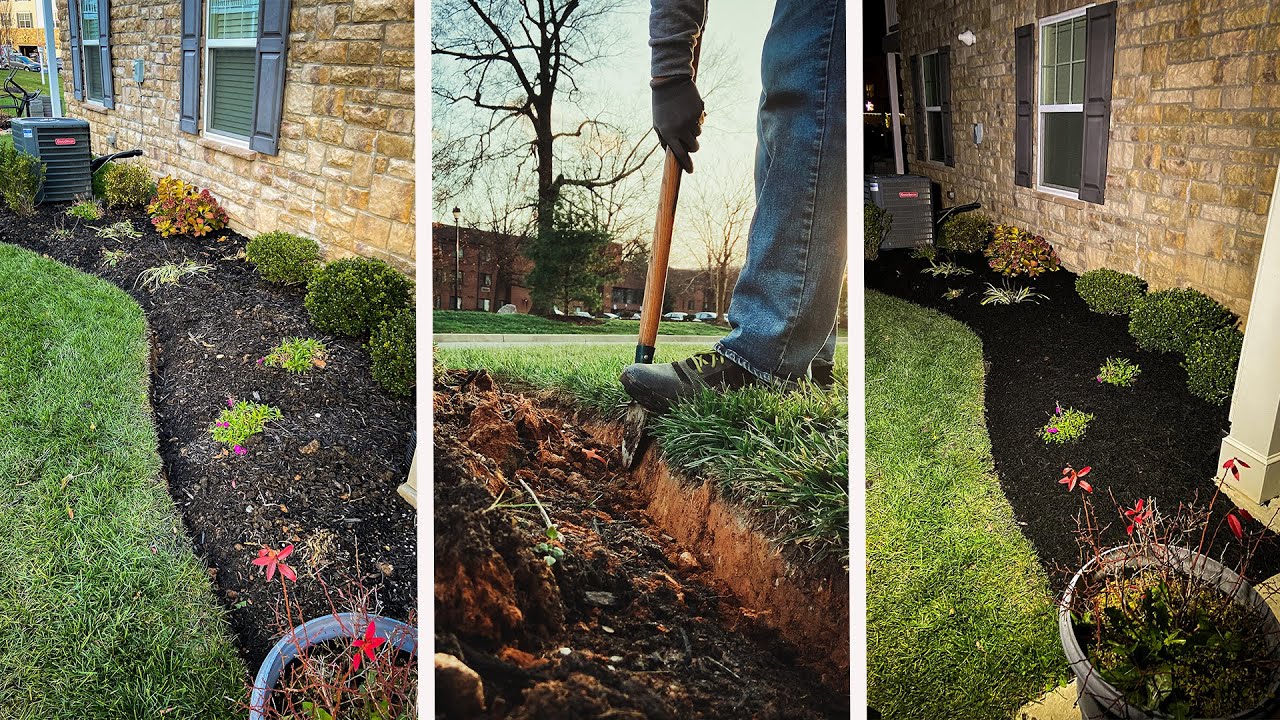
How Contractors Apply Mulch for Best Results
Professional mulching is not just spreading material. Contractors prepare the bed, select the appropriate depth, and ensure mulch does not contact plant stems. Proper application prevents issues like rot, pests, and soil compaction.
The Steps of a Proper Mulching Service
Clear the area of weeds and debris before applying mulch.
Check soil moisture and adjust irrigation schedules after mulching.
Spread mulch evenly and keep it away from plant stems and tree trunks.
Maintain a 2 to 4 inch depth and refresh mulch annually.
How Mulch Affects Irrigation and Drainage
Mulch reduces evaporation, which can lower irrigation needs. It also helps rainwater penetrate the soil instead of running off. Contractors adjust watering schedules to avoid overwatering and root rot.
Bonus Tip
If mulch is applied over already wet soil, it can trap moisture and lead to fungus. Contractors often wait for the soil to dry slightly before mulching.
How Mulch Supports Soil Health and Temperature Regulation
Mulch improves soil health by adding organic matter and supporting microbial activity. Healthy soil holds heat better and responds more slowly to temperature changes. This improves plant resilience during heat waves and cold snaps.
Soil Temperature and Root Health
Roots are sensitive to sudden temperature shifts. Mulch reduces these shifts, helping roots stay active longer in cooler weather and preventing heat stress in summer. This can reduce plant shock and improve growth.
Market Facts That Show Mulch Value
The landscaping industry reports consistent demand for mulch and bed maintenance, especially in warmer climates.
Homeowners often spend more on irrigation and plant replacement when mulch is not used.
Mulch can reduce water needs by up to 30 percent in hot conditions, improving efficiency and lowering utility costs.
Mulch Types and Their Temperature Effects Table

Things to Consider Before Making a Decision
Homeowners should consider mulch type, depth, and the specific plants in the bed. They should also think about the local climate and how often the mulch will need replacement.
Evaluate the Bed Conditions and Plant Needs
Mulch should match plant needs and soil conditions. For example, mulch that holds too much moisture can harm drought-tolerant plants. Contractors should assess the bed before recommending a type.
Check Service Details and Scheduling
A clear service plan lists mulch depth, bed preparation, and cleanup. Homeowners should also confirm whether the contractor will remove old mulch or refresh it on a schedule.

Key Takeaways on Mulching and Soil Temperature
Mulch helps regulate underground soil temperatures by insulating soil and reducing heat transfer. The best results come from proper bed preparation, correct mulch depth, and the right material for the plant type. Contractors can apply mulch in a way that supports root health, improves moisture retention, and reduces temperature swings.
Next Steps for Homeowners Seeking Mulching Services
Homeowners who want a clearer plan for mulch and soil protection can contact a local landscaping provider for a site review. All Seasons Landscaping & Lawn Care can recommend the best mulch type, set the proper depth, and schedule refresh services. They can be reached at by phone at (225) 276-8658 for more information or to request a mulch plan.
Questions About Mulching and Soil Temperature
This section answers common homeowner questions about mulch. The answers focus on practical steps and realistic expectations for soil temperature control.
Can mulch make the soil too warm in summer?
Mulch usually keeps soil cooler by blocking sunlight. However, dark-colored mulch can absorb heat and raise surface temperature slightly. Proper depth and type selection prevent this issue.
Does mulch stop weeds completely?
Mulch reduces weeds by blocking sunlight, but it does not stop all weeds. Annual renewal and proper thickness improve effectiveness.
How often should mulch be refreshed?
Most beds benefit from annual mulch refresh. High rainfall areas may need refresh more often because mulch breaks down faster.
Can mulch prevent frost damage?
Mulch reduces frost penetration by trapping heat. It does not prevent frost entirely, but it reduces stress on roots and improves plant survival.
Is mulch good for all soil types?
Mulch works on most soils, but compacted clay may need aeration first. Mulch over compacted soil can trap moisture and worsen drainage.
Reviewer: Sophie Williams looked over this post and brought 7 years of field experience to her suggestions, helping ensure the content stays relevant to business owners and practical for everyday use.