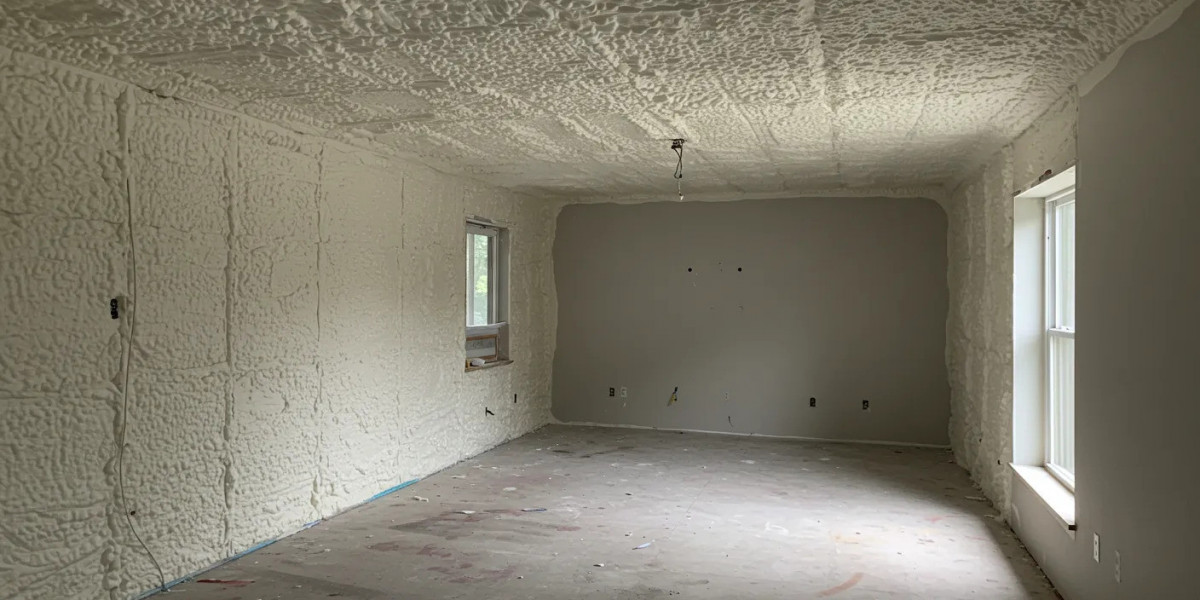

Spray foam insulation contractor work solves problems fast by sealing air leaks, controlling moisture, and improving comfort in a single visit. Unlike piecemeal fixes, spray foam addresses the root causes of common home issues instead of just the symptoms.
Quick Answers That Matter Most
- Stops drafts and uneven temperatures almost immediately
- Reduces moisture problems that lead to mold and odors
- Lowers energy loss without major remodeling
The Problems Homeowners Want Fixed Right Away
Most homeowners call an insulation contractor because something feels wrong. Rooms are cold. Floors feel damp. Energy bills spike.
Spray foam insulation is often chosen because it solves multiple problems at once instead of requiring separate repairs.
Drafts, Cold Rooms, and Hot Spots
Uneven indoor temperatures are one of the most common complaints. This usually comes from air leaks, not lack of insulation alone.
According to guidance from the U.S. Department of Energy on air sealing and insulation, uncontrolled air leakage can account for a significant portion of heating and cooling loss. Spray foam expands into cracks and gaps, blocking air movement immediately after installation.

What Gets Fixed Fast
- Cold bedrooms over garages
- Hot upstairs rooms in summer
- Drafts near floors, outlets, and attic hatches
Moisture Intrusion and Musty Odors
Moisture problems often show up as musty smells, condensation, or damp crawl spaces. These issues can escalate quickly if ignored.
Spray foam helps by sealing the pathways where humid outdoor air enters the home. Data shared by the U.S. Environmental Protection Agency on moisture control and indoor air quality explains that limiting moisture entry is critical for preventing mold growth and structural damage.
Common Moisture-Related Issues Solved
- Damp crawl spaces
- Condensation on walls or ducts
- Persistent basement odors
High Energy Bills With No Clear Cause
Many homeowners upgrade windows or HVAC systems, but still see high bills. The missing link is often insulation and air sealing.
Spray foam reduces energy waste by creating a continuous thermal and air barrier. This allows heating and cooling systems to run less often while maintaining comfort.
Fast Energy Efficiency Gains
- Reduced HVAC run time
- More stable indoor temperatures
- Lower seasonal utility spikes
Noise Transfer Between Rooms
Sound control is not always the main goal, but it becomes an immediate benefit. Spray foam fills cavities completely, limiting airborne noise.
This is especially helpful in multi-story homes, offices, or houses near traffic.
Crawl Space and Attic Problems
Crawl spaces and attics are where many home performance problems begin. These areas often have exposed framing, vents, and penetrations.
Building science research from Building Science Corporation on air barriers and enclosure performance shows that controlling air movement at the building envelope improves durability and comfort throughout the structure.
Why Contractors Start Here
- Large air leaks concentrate in these zones
- Moisture collects easily
- Insulation failures are common
Closed-Cell vs Open-Cell Performance
Problem Area | Open-Cell Foam | Closed-Cell Foam |
|---|---|---|
Attics | Good air seal | Excellent air + vapor control |
Crawl Spaces | Limited moisture resistance | High moisture resistance |
Sound Reduction | Very good | Moderate |
Speed Compared to Traditional Fixes
Spray foam insulation contractor work is fast because it combines steps.
Traditional methods often require:
- Sealing gaps by hand
- Installing insulation separately
- Adding vapor barriers later
Spray foam completes these steps in one process.
Experience-Based Insight
Homes that needed weeks of incremental fixes often see noticeable comfort improvements within 24 hours of spray foam installation.
Real-World Results
Homeowners report fewer drafts the same day. Humidity stabilizes within days. HVAC systems cycle less within the first billing period.
Cost Versus Immediate Value
Spray foam is not the cheapest option upfront. The value comes from how many problems it solves at once.
Instead of paying for repeated repairs, homeowners invest once and see fast results that last.
When to Call a Spray Foam Insulation Contractor
Call when:
- Drafts persist after other upgrades
- Moisture problems keep returning
- Energy bills stay high despite efficient equipment

Professional evaluation ensures the right foam type is used in the right location.
Conclusion and Next Steps
Spray foam insulation contractor work solves drafts, moisture, comfort, and energy loss faster than most alternatives. It works because it targets air movement, which drives many common home problems.
For homeowners who want real results without ongoing patchwork fixes, spray foam is often the most direct solution.
Contact Cascadia Spray Foam Insulation of Seattle
Cascadia Spray Foam Insulation of Seattle focuses on solving problems the right way the first time. Their team understands local building conditions and climate challenges.
Email info@cascadiasprayfoam.com or call (425) 386-3500 to discuss your home’s needs.
FAQs
What problems does spray foam fix immediately?
Drafts, uneven temperatures, and air leaks are usually resolved right away.
Can spray foam help with moisture issues?
Yes. It blocks humid air entry points that cause condensation and mold.
Is spray foam a quick install?
Most residential projects are completed in one to two days.
Does spray foam reduce noise?
Yes. It limits sound travel through walls and floors.
Is spray foam better than adding more fiberglass?
Often, yes, because it seals air while insulating.
Do I need a professional contractor?
Yes. Proper installation determines performance and safety.
Reviewer: Olivia Thompson has spent 10 years working in spray foam insulation, helping companies grow their visibility. She reviewed this article and provided valuable suggestions on how to better align the content with the needs and expectations of customers, ensuring it resonates with the target audience.
Sources
- U.S. Department of Energy – Air Sealing Your Home – Explains how air leaks impact comfort and energy loss.
- U.S. Environmental Protection Agency – Moisture Control – Covers moisture problems and indoor air quality risks.
- Building Science Corporation – Air Flow Control in Buildings – Details how air barriers improve building performance and durability.