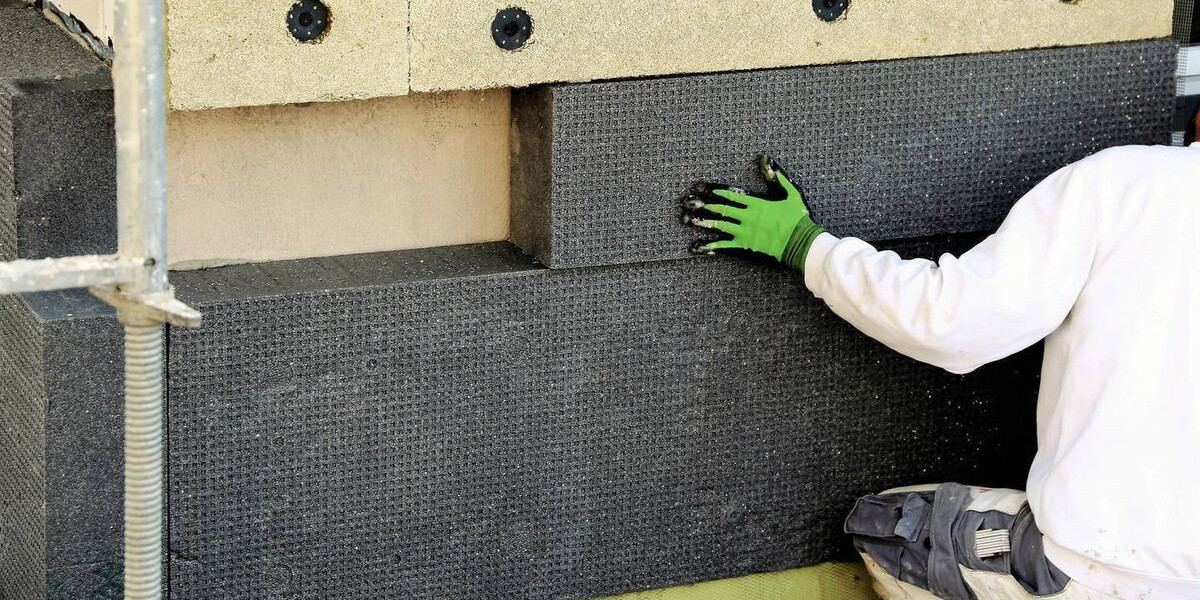

Exterior insulation protects a building from heat loss, moisture damage, and rising energy costs. When it fails, the structure works harder to stay comfortable. That problem costs money and shortens building life.
This topic matters now because weather swings are harsher and energy prices stay high. Exterior insulation failures show up faster than they used to.
Quick Answers That Matter Most
- Exterior insulation fails quietly before obvious damage appears
- Moisture and air leaks are the earliest warning signs
- Replacement decisions affect energy use for decades
Moisture Damage = Insulation Failure
Exterior insulation breaks down fastest when moisture gets trapped. Water changes how insulation resists heat and dries slowly once soaked.
Guidance from the U.S. Department of Energy on insulation and moisture control explains that wet insulation can lose much of its thermal resistance even after it appears dry. That loss often becomes permanent.
Visible Signs on Exterior Walls
Stains, bubbling paint, or warped siding often point to wet insulation behind the wall. These signs usually show up late, not early.
Hidden Moisture Inside Wall Cavities
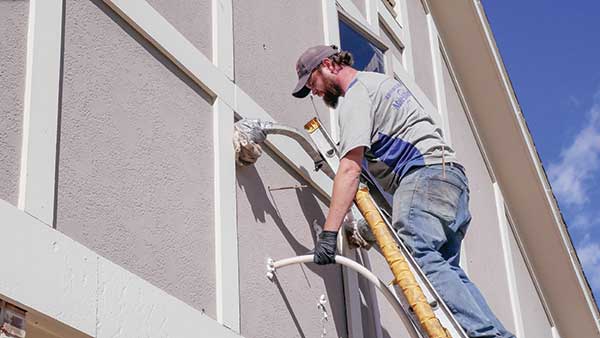
Condensation forms when warm air hits cold surfaces. Over time, this moisture degrades insulation and framing together.
Rising Energy Bills Without Clear Causes
Energy costs often rise before physical damage appears. Insulation failure forces heating and cooling systems to run longer.
Research shared by the U.S. Environmental Protection Agency on home energy efficiency shows that poor insulation and air leakage remain two of the largest drivers of residential energy waste.
Uneven Indoor Temperatures
Cold walls in winter and hot walls in summer signal insulation gaps. Rooms near exterior walls feel harder to condition.
HVAC Systems Running Longer
Longer run times mean insulation is no longer slowing heat flow as designed.
Old Materials = Lower Performance
Exterior insulation materials age. Sun exposure, temperature cycling, and moisture slowly reduce performance.
Shrinking or Settling Insulation
Older board and batt materials shrink over time. Gaps form where insulation once fit tight.
Crumbling or Brittle Insulation
When insulation breaks apart by hand, it no longer performs. Replacement becomes the only fix.
Does Exterior Insulation Have a Lifespan?
Exterior insulation does not last forever. Lifespan depends on material, climate, and installation quality.
Studies discussed by Building Science Corporation on enclosure durability show that exterior insulation exposed to repeated wetting and drying cycles fails much sooner than protected systems.
Climate Exposure Matters
Rain-heavy and coastal climates shorten insulation life. Wind-driven rain pushes moisture deep into wall systems.
Installation Quality Sets the Clock
Poor flashing and sealing allow early failure even with premium materials.
Spray Foam vs Traditional Exterior Insulation
Exterior insulation replacement often leads to material comparison. Performance in real conditions matters more than lab ratings.
Performance Comparison
Factor | Spray Foam Insulation | Rigid Board Insulation |
|---|---|---|
Air Control | Built-in air seal | Requires added layers |
Moisture Resistance | Resists water absorption | Can trap moisture |
Durability | Long-term stability | Can crack or gap |
Energy Efficiency | Consistent over time | Declines with gaps |
Spray foam limits air movement and reduces moisture pathways. Board insulation relies heavily on perfect detailing.
Bonus Tips: Field-Based Checks
- Inspect insulation during siding repairs
- Use thermal imaging before replacement decisions
- Address drainage and flashing first
Case Studies: Documented Performance Outcomes
Energy audits show buildings with air-sealed exterior insulation maintain stable indoor temperatures and lower humidity swings years after installation.
When Replacement Makes More Sense Than Repair
Small repairs work only when damage is limited. Widespread moisture or air leaks point toward replacement.
Structural Materials at Risk
Wet insulation often means wet sheathing. That risk increases repair costs later.
Long-Term Cost Trade-Offs
Replacement costs more upfront but restores full energy performance. Patchwork repairs rarely deliver lasting results.
Conclusion: Exterior Insulation Protects More Than Comfort
Exterior insulation controls heat, air, and moisture together. When one function fails, the entire wall system suffers.
Replacing failed insulation improves energy efficiency, protects structure, and reduces moisture risks. Informed material choices matter because walls hide mistakes for years.
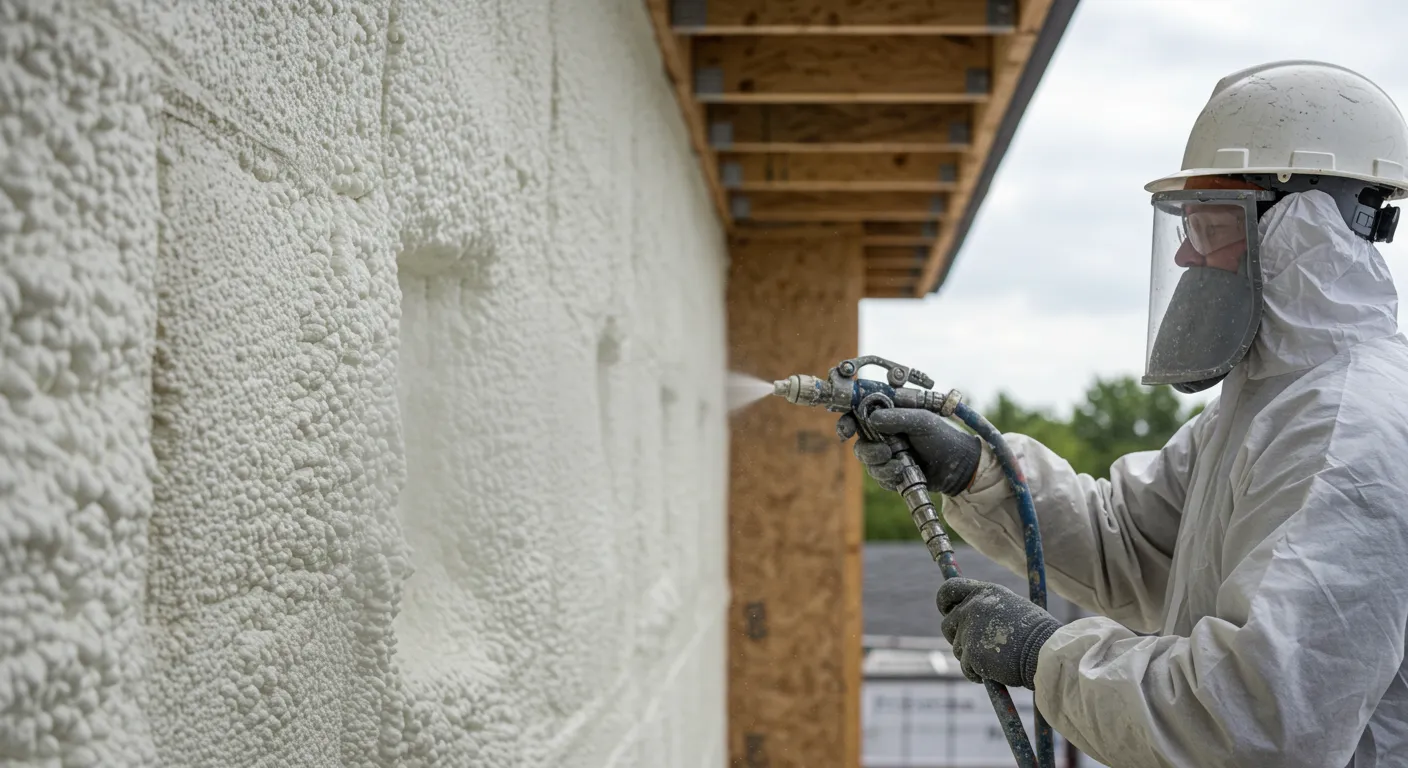
Cascadia Spray Foam Insulation of Seattle supports energy-efficient, performance-focused projects by addressing exterior wall conditions as a system, not a single layer.
Talk With Cascadia Spray Foam Insulation of Seattle
Spray foam insulation supports long-term exterior wall performance when replacement is needed. Cascadia Spray Foam Insulation of Seattle focuses on durable, practical solutions without shortcuts.
Call (425) 386-3500 or email info@cascadiasprayfoam.com to discuss exterior insulation concerns.
FAQs
What are the first signs exterior insulation is failing?
Higher energy bills and uneven wall temperatures appear early.
Can insulation look fine but still fail?
Yes. Moisture damage often stays hidden inside walls.
Does spray foam work for exterior insulation replacement?
Yes. It seals air gaps and resists moisture movement.
How long should exterior insulation last?
Lifespan varies, but exposure and install quality matter most.
Is replacement better than adding more insulation?
Replacement works better when moisture or air leaks exist.
Reviewer: Olivia Thompson has spent 10 years working in spray foam insulation, helping companies grow their visibility. She reviewed this article and provided valuable suggestions on how to better align the content with the needs and expectations of customers, ensuring it resonates with the target audience.
Sources
- U.S. Department of Energy – Insulation – Federal guidance on insulation performance and moisture impacts
- U.S. Environmental Protection Agency – Energy Efficiency – Data on energy loss related to insulation and air leakage
- Building Science Corporation – The Perfect Wall – Research on durable wall and insulation systems