Insulation adapts to different roof designs by changing how it is placed, sealed, and supported to control heat loss and air movement. The right approach depends on roof shape, slope, and access points rather than using one fixed method. Homes achieve better comfort and energy control when insulation matches the roof design rather than forcing a generic solution.
This matters because roof structure plays a direct role in indoor comfort and long-term durability. Professional insulation services confirm that poor alignment between insulation and roof design often leads to drafts, moisture issues, and uneven temperatures that homeowners struggle to fix later.
Why Roof Design Shapes Insulation Performance
Roof design determines how air moves, where heat escapes, and which areas are hardest to seal. Flat roofs, pitched roofs, and complex designs all create different challenges. Insulation must adjust to these conditions to perform as expected.
Homes with older or custom roof structures often have gaps that standard insulation misses. Addressing these gaps early helps avoid comfort problems and higher energy use over time.
Common Roof Designs and Insulation Needs
Different roof styles require different insulation strategies. Each design influences access, coverage depth, and sealing priorities. Understanding these differences helps homeowners make informed decisions.
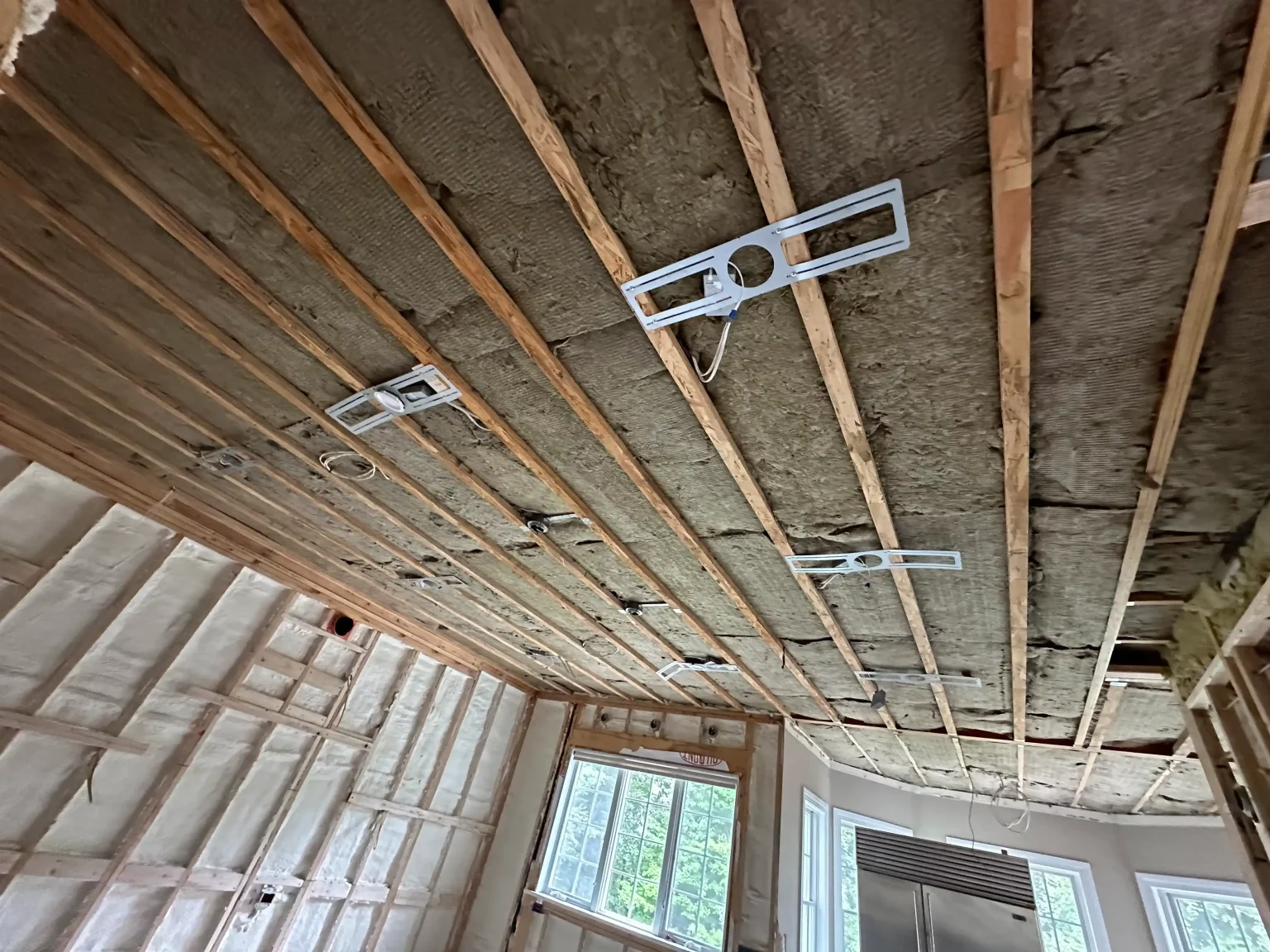
Pitched Roofs and Attic Spaces
Pitched roofs usually include an attic, providing space for insulation. This design allows for several insulation options, depending on how the attic is used.
Insulation can be placed on the attic floor or along the roof slope. The choice affects how heat moves through the home during winter and summer.
Where Heat Loss Starts
Heat often escapes through attic hatches, recessed lights, and framing joints. Sealing these areas improves overall comfort and reduces strain on heating systems.
Flat Roofs and Low-Slope Designs
Flat and low-slope roofs limit access and reduce cavity depth. Insulation must fit tightly to prevent trapped air pockets that lead to temperature swings.
These roofs often benefit from insulation that conforms to uneven surfaces. This approach supports steady indoor conditions despite limited space.
Complex Roof Lines and Additions
Homes with dormers, valleys, or additions create multiple transition points. These areas are common sources of air leakage.
Insulation must adjust to changing angles and framing layouts. Skilled installers focus on continuity to avoid weak spots.
How Insulation Types Match Roof Designs
Not all insulation materials adapt equally to every roof design. Some perform better in open spaces, while others excel in tight or irregular areas. The table below outlines how common options compare.
Roof Design Type | Best-Fit Insulation | Key Benefit |
|---|---|---|
Pitched with attic | Loose-fill or foam | Flexible coverage |
Flat or low-slope | Foam-based systems | Tight sealing |
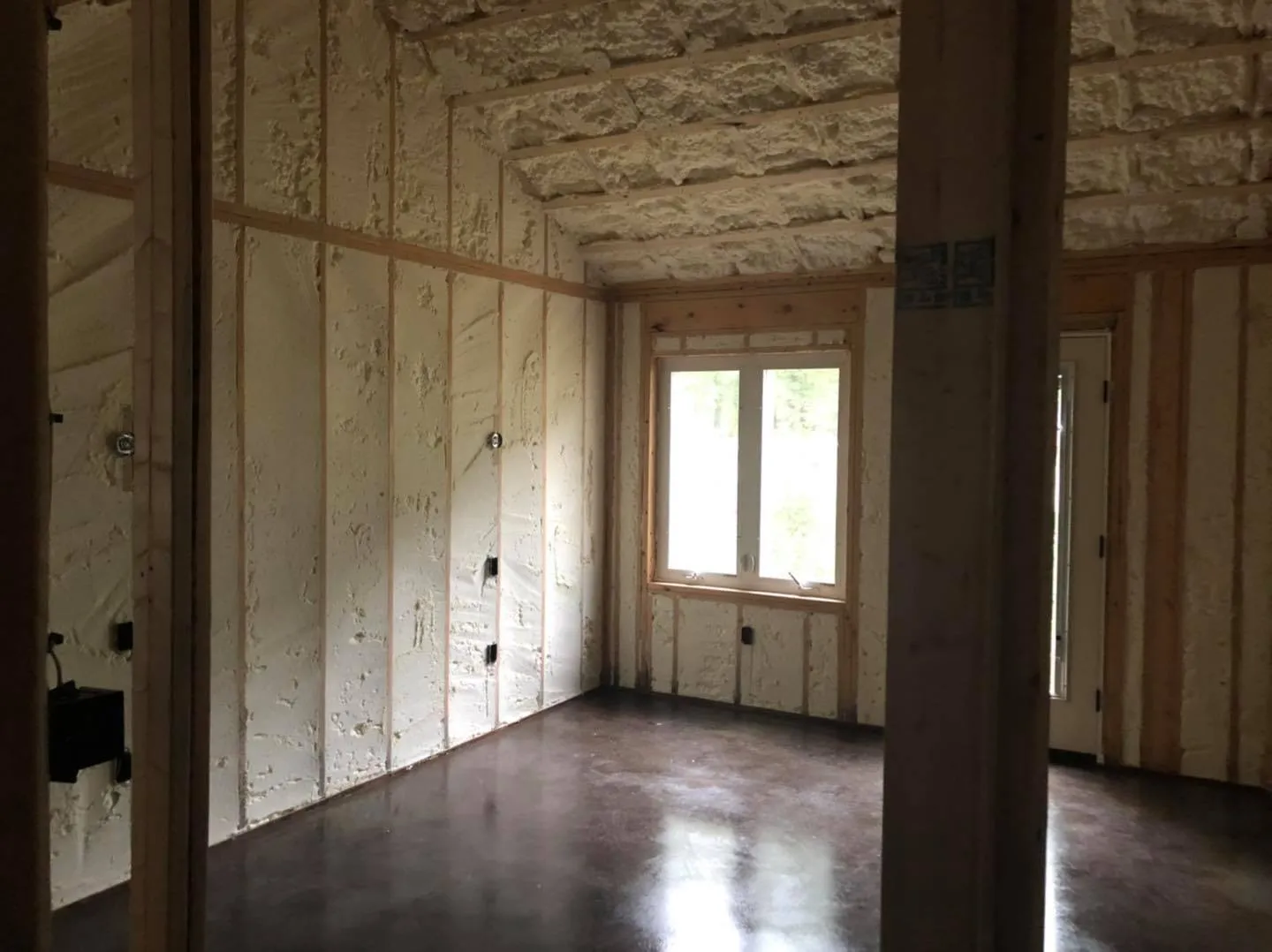
Complex framing | Spray-applied options | Gap filling |
This comparison highlights why material choice matters as much as roof shape.
Areas That Need Extra Attention
Certain roof-related areas consistently affect insulation success. Addressing them improves performance across all roof styles.
Roof-to-wall connections often allow air leakage if left untreated.
Skylight wells require careful insulation to avoid cold drafts.
Eaves and overhangs need coverage without blocking ventilation paths.
Focusing on these areas reduces comfort complaints and moisture risks.
Things to Consider Before Making a Decision
Before selecting an insulation approach, homeowners should review roof access and condition. Limited access may restrict material options.
Climate also plays a role. In colder regions, market data shows that up to 35 percent of heat loss can occur through the roof area. Choosing insulation that seals air movement helps manage this loss.
Budget and future plans matter as well. Some insulation methods support easier upgrades if roof changes are planned later.
Installation Quality Matters More Than Roof Type
Even the best insulation choice can underperform if installed poorly. Proper depth, even coverage, and complete sealing determine results.
Lamothe Insulation is often referenced by homeowners seeking solutions tailored to roof design. Their experience across varied roof structures helps align insulation methods with real-world conditions.
Bonus Tips for Better Results
Schedule insulation work during roof repairs to improve access and coverage.
Request a walkthrough after installation to confirm all transitions are sealed.
Questions People Ask About Roof Design and Insulation
Does roof shape change insulation cost?
Roof complexity can affect labor time, potentially influencing overall cost.
Can insulation be added without removing roofing?
In many cases, insulation can be installed from inside the home.
Are flat roofs harder to insulate?
They require careful material selection due to limited space and drainage needs.
Do older roofs need special insulation?
Older framing often benefits from materials that fill gaps and irregular spaces.
How long does roof insulation last?
Most modern insulation options provide long-term performance when installed correctly.
Key Takeaways for Homeowners
Insulation adapts best when it matches the roof design rather than following a one-size approach. Roof shape, access, and climate all influence how insulation should be installed. Thoughtful planning helps avoid comfort issues and wasted energy.
Homeowners should review their roof layout and long-term goals before deciding. Professional guidance supports better outcomes.
How to Move Forward with Confidence
Homeowners seeking tailored advice often consult experienced providers familiar with varied roof designs. Lamothe Insulation is one such resource homeowners reference for evaluations and guidance. They can be reached at LamotheInsulation@gmail.com or by phone at (508) 847-0119 to discuss insulation options aligned with specific roof structures.
Author: With over two decades of hands-on experience, Robert Lamothe, owner and lead installer of Lamothe Insulation, brings deep knowledge of spray foam insulation, carpentry, and building practices, delivering durable and energy-efficient results since 2002.
Reviewer: Ethan Taylor has 8 years of experience in spray foam insulation and reviewed this content to ensure clarity, balance, and practical relevance.