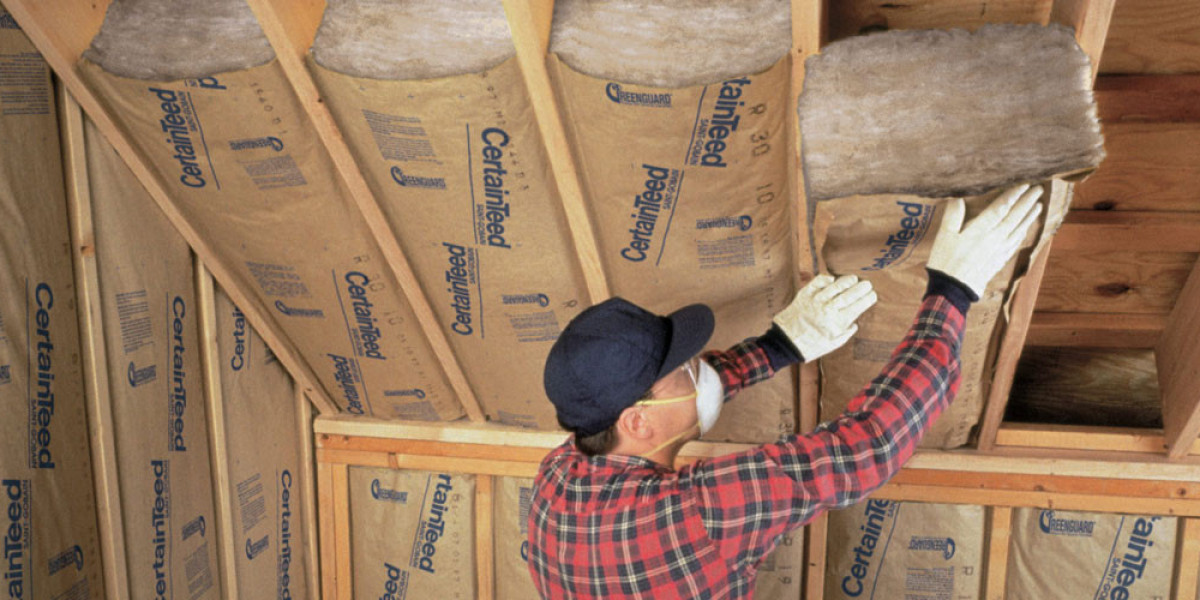

Residential insulation is the base layer of comfort in a Wake Forest home. It controls heat, moisture, and airflow all year. Without it, even new HVAC systems struggle to keep homes comfortable.
Quick Answers That Matter Most
Insulation keeps indoor temperatures steady during hot summers and cold winters
Proper insulation reduces moisture issues common in North Carolina homes
Energy bills drop when insulation limits heat loss and heat gain
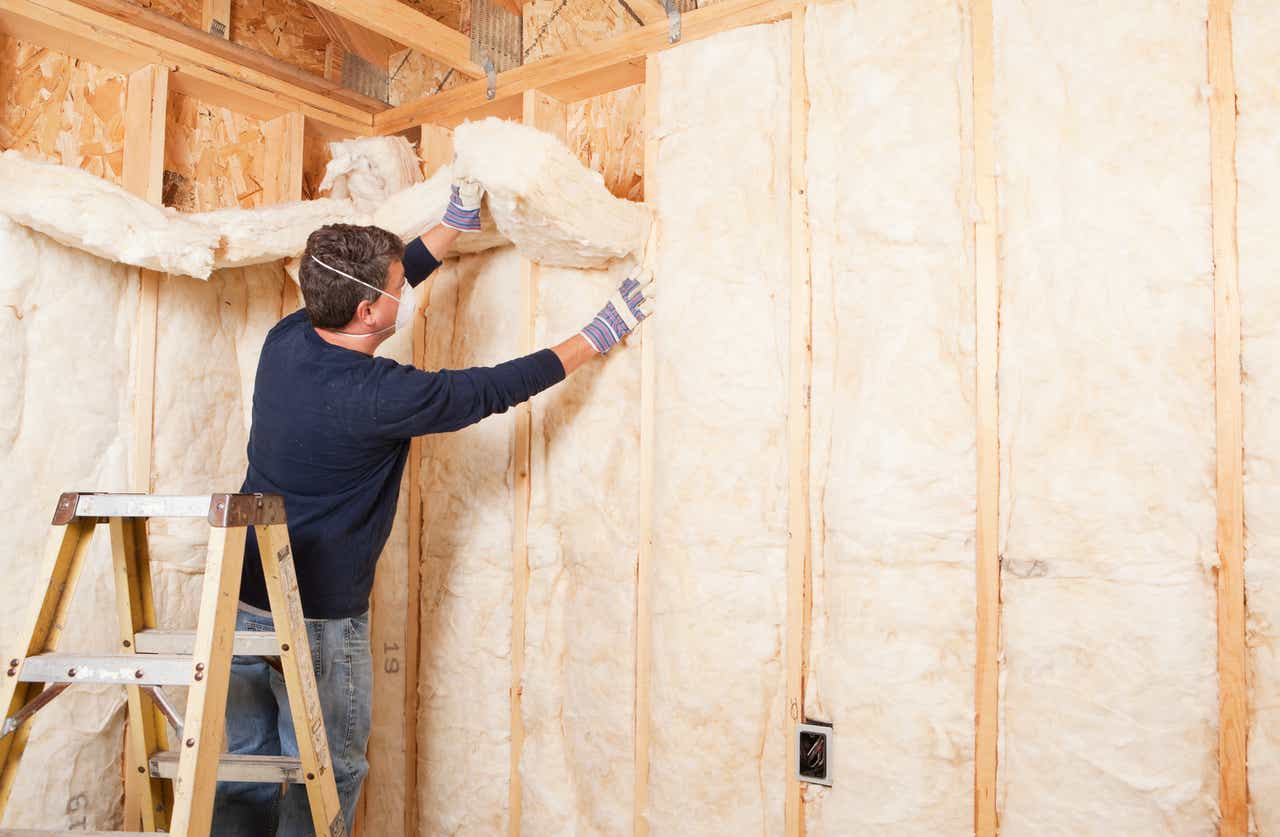
Comfort Problems Start With Heat and Air Loss
Most comfort complaints come from uncontrolled heat and air movement. Drafts, hot rooms, and cold floors point to insulation gaps.
According to guidance from the U.S. Department of Energy residential insulation overview, heat naturally moves from warm areas to cool ones. When insulation is weak, that movement happens fast and nonstop.
In Wake Forest, this means hot attic air pushes into living spaces in summer. In winter, indoor heat escapes just as quickly.
Air Leaks Undermine Temperature Control
Air leaks often matter more than insulation thickness. Gaps around attics, walls, and floors let outside air move freely.
When air leaks are sealed and insulated, indoor temperatures stay even. Rooms stop feeling different from one another.
Insulation Creates a Thermal Barrier
Insulation slows heat flow. This barrier gives heating and cooling systems time to work efficiently.
Without that barrier, HVAC systems run longer and harder just to keep up.
Why Wake Forest Homes Face Unique Insulation Challenges
The local climate plays a big role in comfort. Wake Forest sits in a mixed-humid climate zone.
That means homes deal with:
Hot, humid summers
Cool winters with temperature swings
Frequent rain and moisture exposure
The U.S. Environmental Protection Agency guidance on home energy efficiency explains that insulation and air sealing are critical in humid regions to prevent moisture buildup and comfort loss.
Humidity Affects Comfort Directly
High humidity makes homes feel warmer than they are. Poor insulation allows humid outdoor air to seep inside.
Good insulation helps keep humidity controlled. That makes indoor air feel cooler and more comfortable.
Seasonal Swings Stress the Home
Temperature changes cause materials to expand and contract. Insulation reduces how much those swings affect interior spaces.
This improves comfort and protects building materials over time.
Does Better Insulation Lower Energy Bills?
Yes. Energy savings are one of the clearest benefits of insulation upgrades.
Data from the National Renewable Energy Laboratory residential energy performance studies show that insulation improvements can significantly reduce heating and cooling demand.
HVAC Systems Work Less
When insulation performs well, HVAC systems cycle less often. Shorter run times reduce wear and tear.
This leads to lower maintenance costs and longer equipment life.
Energy Use Becomes More Predictable
Homes with proper insulation avoid sudden spikes in energy use during extreme weather.
That stability helps homeowners budget monthly utility costs.
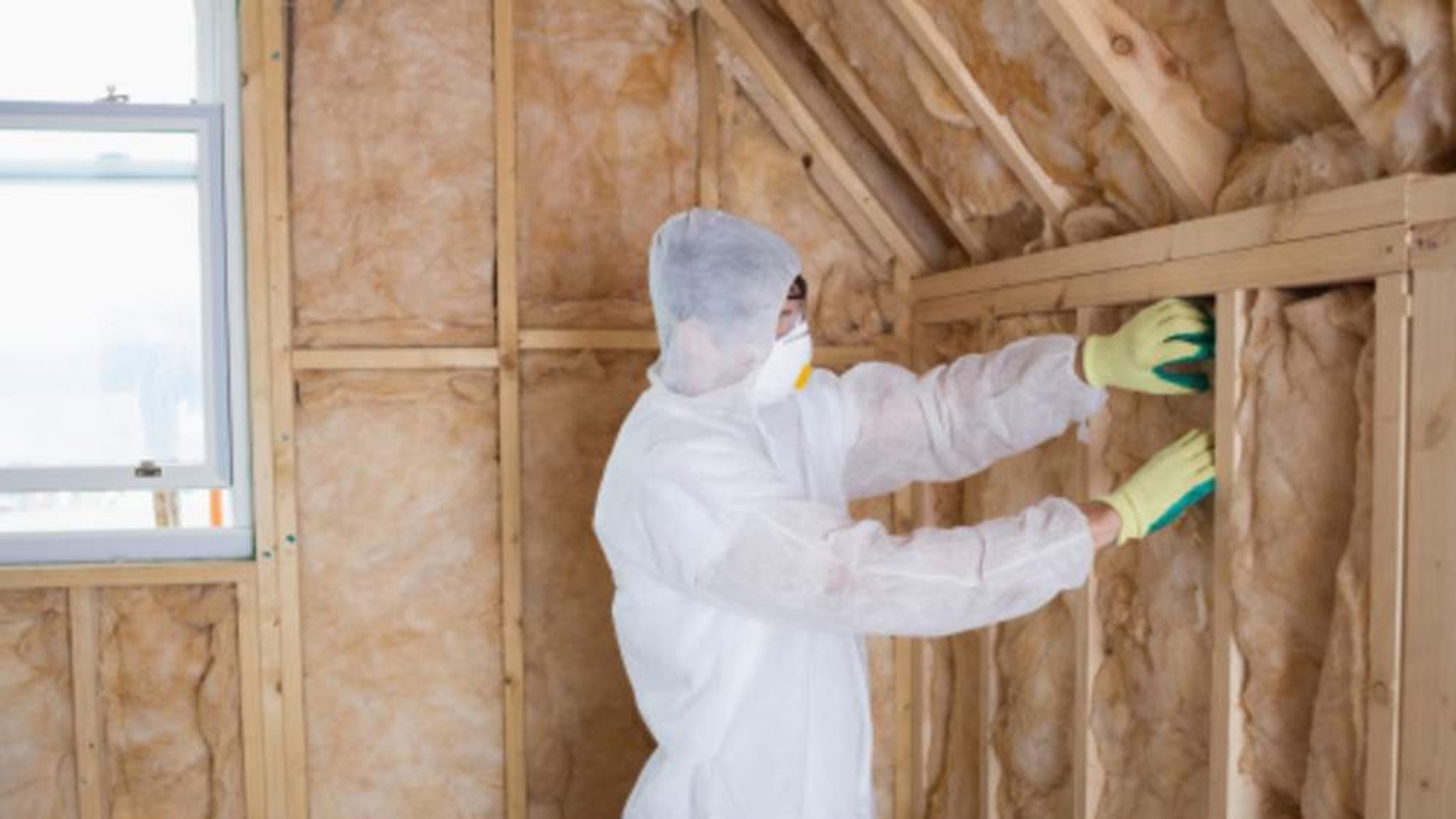
Residential Insulation Material Comparison
Common Insulation Options for Wake Forest Homes
Insulation Type | Air Sealing | Moisture Control | Comfort Performance |
|---|---|---|---|
Spray Foam | Excellent | High | Very High |
Fiberglass | Low | Low | Moderate |
Cellulose | Moderate | Moderate | Moderate |
Spray foam stands out because it seals air and insulates at the same time. This combination improves comfort more effectively than materials that only slow heat flow.
Performance and Cost Considerations
Insulation upgrades are an investment. Comfort improvements are often felt immediately, while energy savings build over time.
Benefits include:
Fewer hot and cold spots
Quieter indoor spaces
Reduced moisture-related issues
Homes with proper insulation often require fewer comfort-related fixes later.
Focus on attics first. Most heat loss happens there.
Seal air leaks before adding insulation. Trapped air defeats insulation.
Match insulation type to the home’s layout and age. Older homes need tailored solutions.
Homeowners in Wake Forest frequently report more even temperatures after insulation upgrades. Many notice improved comfort during summer heat waves and fewer drafts in winter.
Conclusion
Residential insulation is the foundation of a comfortable Wake Forest home. It controls heat flow, limits moisture, and supports efficient HVAC operation.
Raleigh Excel Spray Foam Insulation helps homeowners improve comfort through insulation systems designed for local climate conditions and long-term performance.
Improve Comfort With Raleigh Excel Spray Foam Insulation
Better insulation leads to better comfort and lower energy stress. Raleigh Excel Spray Foam Insulation supports homeowners with proven residential insulation solutions.
Call (919) 301-9435 or email info@raleighexcelsprayfoam.com to discuss insulation options.
FAQs
Why does insulation matter more than HVAC size?
Insulation controls heat flow. Without it, even large HVAC systems cannot maintain comfort.
How do homeowners know if insulation is failing?
Signs include uneven temperatures, high energy bills, and drafts near walls or floors.
Is spray foam safe for residential use?
Yes. When professionally installed, spray foam is safe and effective for homes.
Does insulation help with noise?
Yes. Insulation reduces sound transfer from outside and between rooms.
How long does residential insulation last?
Quality insulation can last decades when properly installed and protected.
Author: Edith has extensive experience in residential and commercial property management and is dedicated to helping clients improve energy efficiency, comfort, and indoor air quality through advanced insulation solutions.
Reviewer: With nearly a decade in the spray foam insulation field, William Harris reviewed this post and provided guidance that reflects both technical understanding and real-world marketing experience.
Sources
U.S. Department of Energy – Insulation – Federal guidance on heat flow, insulation performance, and comfort
U.S. Environmental Protection Agency – Energy Efficiency at Home – Information on insulation, air sealing, and indoor comfort
National Renewable Energy Laboratory – Residential Buildings Research – Research on insulation impacts on energy use and home performance