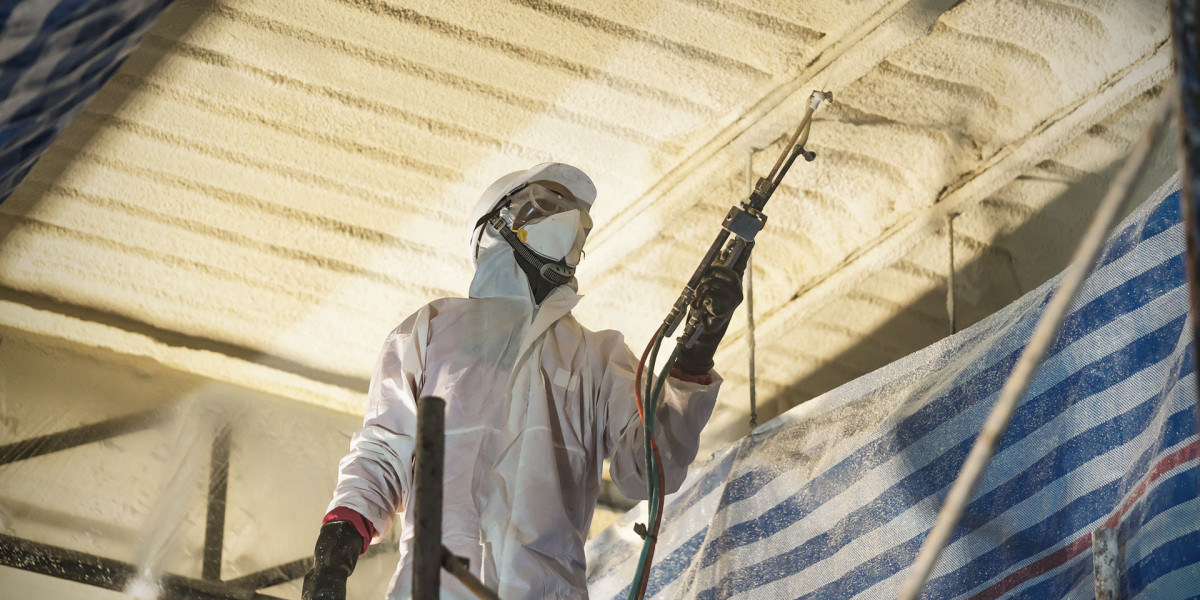

Choosing the right spray foam insulation contractor matters because poor installation can waste money, trap moisture, and damage a home. A qualified contractor installs spray foam correctly so it seals air leaks, controls moisture, and improves comfort for decades.
Quick answers that matter most
A good contractor protects a home from air leaks and moisture problems
Certified installers follow safety rules and building codes
Proper installation extends energy savings and home durability
Why Contractor Choice Affects Long-Term Home Performance
Residential spray foam insulation works only when it is installed correctly. Bad prep or poor mixing can cause shrinkage, odor issues, or hidden moisture damage. That is why the contractor matters as much as the material.
According to guidance from the U.S. Department of Energy insulation performance overview, insulation quality directly impacts heating and cooling loads, indoor comfort, and moisture control. Installation errors reduce those benefits fast.
A skilled contractor understands how air sealing, thermal control, and vapor control work together. That knowledge protects framing, drywall, and HVAC systems over time.
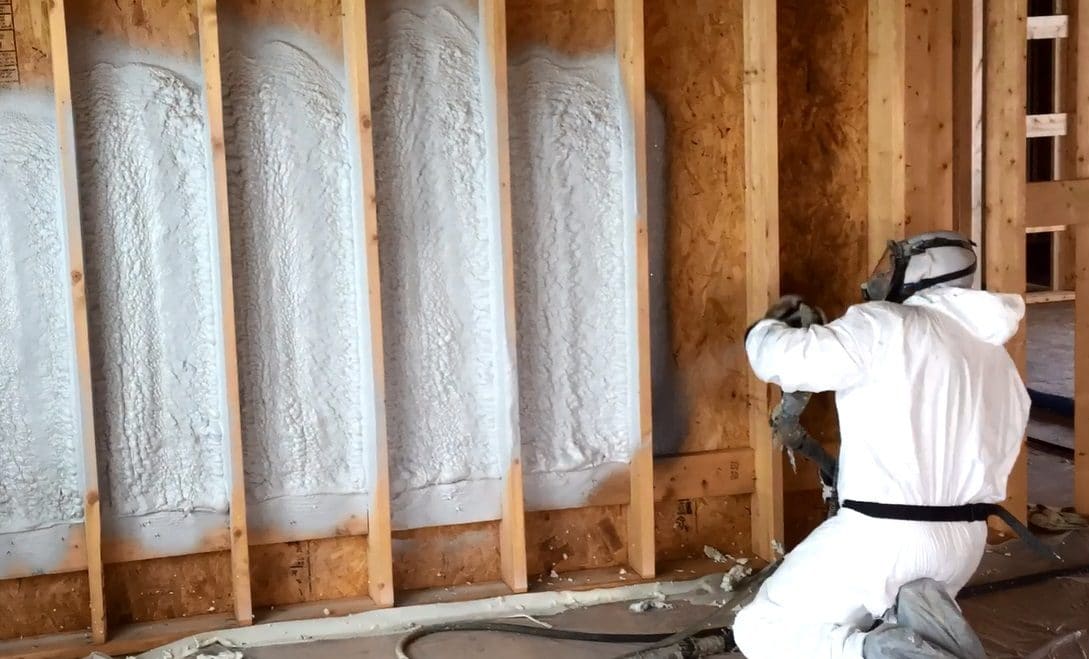
How To Verify Spray Foam Contractor Qualifications
Before hiring anyone, homeowners should confirm training, experience, and accountability. Spray foam is not a general handyman job. It is a chemical application that requires precision.
Licensing And Insurance Basics
A qualified contractor carries proper licensing and insurance. This protects the homeowner if something goes wrong during installation.
Key checks include:
State or local contractor license where required
General liability insurance for property protection
Workers’ compensation coverage for crew safety
Industry Training And Certifications
Professional installers complete hands-on training for spray foam systems. Many follow standards outlined by industry groups.
Standards promoted by organizations like the Spray Polyurethane Foam Alliance professional certification programs help ensure correct mixing, thickness, and curing. Contractors who invest in training reduce failure risks.
Material Knowledge Matters More Than Sales Claims
Not all spray foam is the same. A reliable contractor explains product choices without pushing hype. They focus on performance, not buzzwords.
Open-Cell Vs Closed-Cell Foam
Each foam type serves a different purpose. A contractor should explain trade-offs clearly.
Open-cell foam expands more and works well for sound control and interior walls. It allows drying when moisture enters.
Closed-cell foam is denser and adds strength. It resists moisture and works well in crawl spaces and basements.
A contractor who cannot explain these differences is not prepared for real-world conditions.
Cheap Quotes = Expensive Repairs
Low bids often skip prep work or proper thickness. That leads to poor coverage and trapped moisture. Over time, repairs cost more than doing the job right once.
According to building durability research shared by the National Institute of Building Sciences on moisture control and enclosure design, uncontrolled air leakage increases condensation risk inside walls. Proper insulation and air sealing reduce long-term structural damage.
Experienced contractors price jobs based on surface prep, access, safety steps, and curing time. That protects the home.
What Questions Should Homeowners Ask Before Hiring
Homeowners should treat contractor interviews seriously. Good questions reveal experience and honesty.
Installation Process Questions
Strong contractors explain their process clearly.
How they prepare surfaces
How they control overspray and ventilation
How long curing takes before re-entry
Clear answers show field experience, not sales talk.

Warranty And Follow-Up Support
Reliable contractors stand behind their work. They explain what warranties cover and how inspections are handled after installation.
Spray Foam Compared To Other Insulation Options
Performance Comparison Table
Feature | Spray Foam | Fiberglass Batts | Blown-In Cellulose |
|---|---|---|---|
Air Sealing | Excellent | Poor | Moderate |
Moisture Resistance | High | Low | Moderate |
Longevity | 20+ years | 10–15 years | 10–15 years |
Energy Efficiency | High | Moderate | Moderate |
Spray foam outperforms traditional insulation because it seals gaps. This reduces HVAC runtime and moisture movement.
Bonus Tips For Hiring The Right Contractor
Ask for recent local projects, not just photos
Confirm they handle ventilation during installation
Avoid contractors who rush cure time
Real-World Outcomes From Proper Installation
Case Studies
Homes insulated correctly often show lower humidity and steadier indoor temperatures. In mixed-humid climates like North Carolina, proper spray foam reduces condensation risk during summer cooling seasons.
Energy data summarized by the U.S. Environmental Protection Agency on home energy efficiency improvements shows air sealing and insulation upgrades can cut heating and cooling costs significantly when installed correctly.
Conclusion
Choosing the right residential spray foam insulation contractor protects comfort, energy savings, and building health. Poor installation creates moisture risks and wasted money. Skilled contractors prevent those issues through training, prep, and accountability.
Raleigh Excel Spray Foam Insulation supports energy-efficient home upgrades by focusing on proper installation, material selection, and long-term performance. Informed choices lead to better outcomes.
Contact Raleigh Excel Spray Foam Insulation
Homeowners planning insulation upgrades can get guidance from experienced professionals. Raleigh Excel Spray Foam Insulation helps homeowners understand options without pressure.
Phone: (919) 301-9435
Email: info@raleighexcelsprayfoam.com
FAQs
How long does residential spray foam insulation last?
When installed correctly, spray foam can last over 20 years. It does not sag or settle like traditional insulation.
Is spray foam insulation safe for homes?
Yes, when applied by trained contractors following ventilation and curing rules. Improper installation creates risks.
How do homeowners know if spray foam was installed correctly?
Even coverage, proper thickness, and no lingering odor after curing are good signs. Thermal scans can confirm results.
Does spray foam insulation reduce moisture problems?
Yes. It limits air movement that carries moisture into walls and attics, reducing condensation risk.
Should homeowners hire local spray foam contractors?
Local contractors understand climate conditions, building codes, and moisture risks better than out-of-area crews.
Author: Edith has extensive experience in residential and commercial property management and is dedicated to helping clients improve energy efficiency, comfort, and indoor air quality through advanced insulation solutions.
Reviewer: With nearly a decade in the spray foam insulation field, William Harris reviewed this post and provided guidance that reflects both technical understanding and real-world marketing experience.
Sources
U.S. Department of Energy Insulation Performance Guidance
Federal resource explaining how insulation quality impacts energy efficiency, air leakage, moisture control, and HVAC performance in residential buildings.EPA Energy Efficiency Improvements For Homes
Government-backed data on how insulation and air sealing reduce energy use, improve indoor comfort, and support long-term building durability.