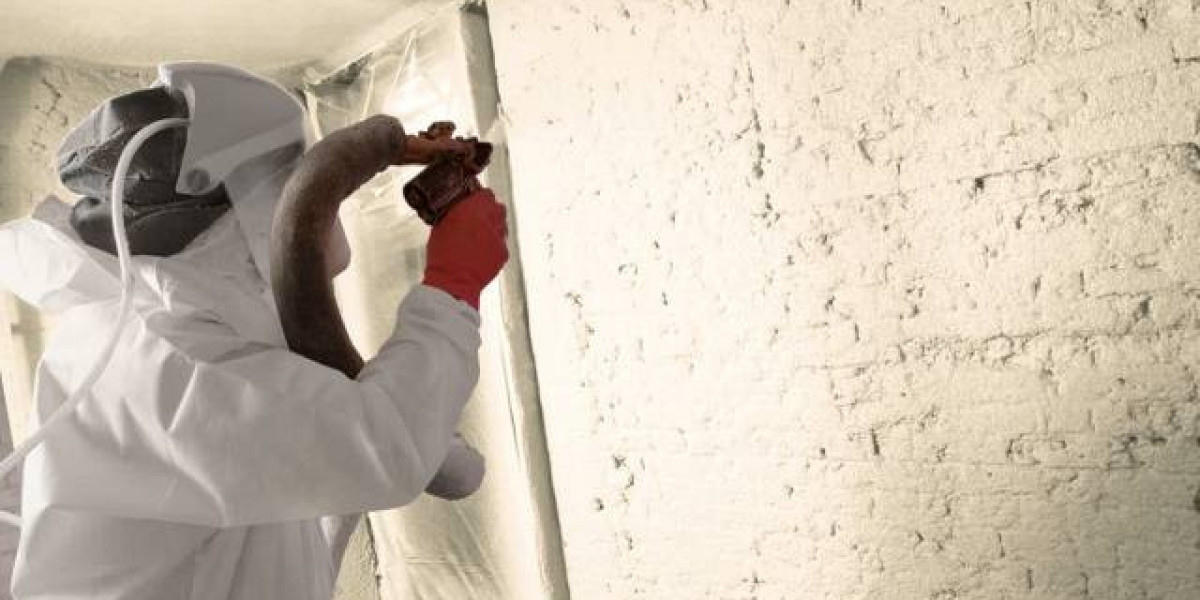

A spray foam insulation company looks different in 2026 because energy rules are tighter, buyers are more informed, and buildings are judged on long-term performance. Materials alone no longer carry the job. Process, proof, and outcomes now matter more.
Quick answers that matter most
Energy codes now reward real performance, not just product labels
Environmental impact affects how insulation choices are judged
Poor installation costs more than cheap material ever did
Higher Standards = Better Outcomes
Spray foam practices changed because buildings are judged on results, not promises. Energy loss, moisture risk, and carbon impact are now measured, not assumed.
This shift forces insulation companies to adjust how they work, train crews, and document results. The goal is simple. Reduce waste. Improve durability. Prove performance.

Energy Codes Push Better Work
Newer building codes focus on whole-home performance. They look at air leakage, heat flow, and moisture control together. This means insulation must work as a system.
Guidance from the U.S. Department of Energy Building Energy Codes Program explains how modern codes tie insulation quality directly to real energy savings, not just R-value on paper.
Buyers Demand Proof, Not Claims
Homeowners and developers now ask harder questions. They want blower door numbers. They want energy use data. They want fewer comfort complaints.
Companies that cannot explain outcomes lose trust fast.
Why Installation Quality Now Matters More Than Material
Spray foam did not fail the industry. The poor process did. In 2026, that gap will no longer be ignored.
This section explains why workmanship drives results more than brand choice.
Spray Foam Is Only as Good as the Install
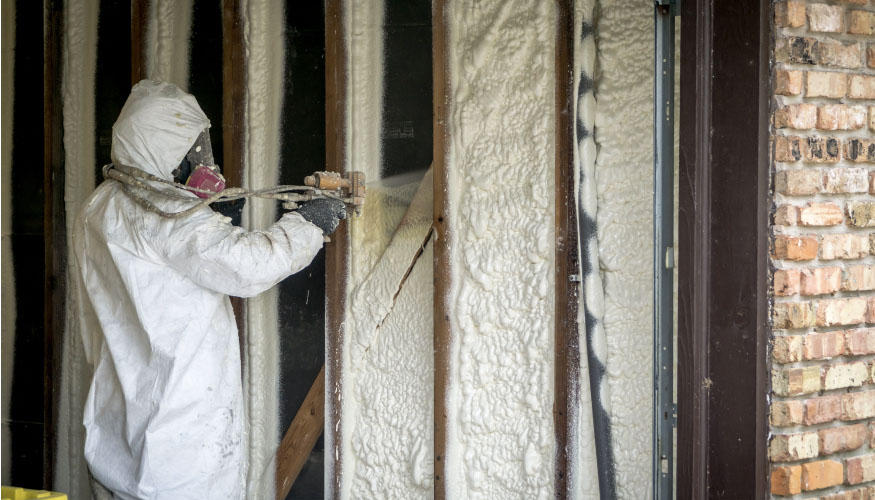
Foam must be mixed, applied, and cured correctly. Wrong temperatures or rushed jobs lead to shrinkage and gaps.
Research summarized by the Environmental Protection Agency ENERGY STAR program shows that air sealing quality directly affects heating and cooling demand, regardless of insulation type.
Training Replaced Guesswork
Modern crews train for climate, substrate, and moisture control. They test before and after. This reduces callbacks and energy waste.
A better process leads to fewer failures and longer service life.
Are Environmental Rules Changing How Spray Foam Is Used?
Yes. Environmental impact now affects product choice, job design, and project approval.
This matters because insulation decisions now carry climate and compliance consequences.
Blowing Agents and Emissions
Older spray foams used high global warming potential blowing agents. Newer formulations cut this impact while keeping performance.
Industry data reviewed by the International Code Council explains how updated energy codes and material standards push lower-emission insulation systems.
Durability Reduces Environmental Cost
Long-lasting insulation reduces replacement waste. Foam that stays sealed for decades lowers material use and energy demand over time.
Environmental impact is now judged across the full life of the building.
Spray Foam Roofing vs Traditional Insulation Choices
Roof assemblies reveal why practices changed so much. Mistakes here cost the most.
This comparison shows how different systems perform in real conditions.
Roofing Insulation Comparison Table
Feature | Spray Foam Roofing | Fiberglass Board |
|---|---|---|
Air Sealing | Fully sealed | Requires layers |
Moisture Resistance | High | Moderate |
Service Life | Long-term | Shorter |
Energy Loss Risk | Low | Higher |
Spray foam reduces heat gain and air leakage at the roofline. This lowers cooling load and moisture risk. Traditional boards rely on perfect installation to match this performance.
Bonus Tips
Demand pre-install moisture checks to prevent adhesion failure
Require post-install air leakage testing for proof
Match foam type to climate, not price
Case Studies
Cold-climate homes with full air sealing show lower heating runtime and steadier indoor temperatures. These results come from fewer leaks, not thicker walls.
Commercial projects that track energy use after installation often report reduced peak demand. This cuts operating costs and equipment strain over time.
These outcomes align with performance benchmarks used in modern energy codes and utility efficiency programs.
Conclusion
Spray foam insulation practices changed because buildings demand proof. Energy loss, moisture damage, and environmental impact now carry real costs.
Better training, cleaner materials, and documented results separate reliable companies from the rest. Informed choices lead to stronger buildings and lower long-term energy use.
High Country Solutions supports performance-focused insulation projects by emphasizing proper process, energy efficiency, and durability. Their work aligns with modern code expectations and real-world building needs.
Work With High Country Solutions
Spray foam insulation still delivers strong energy and comfort benefits when done right. The difference in 2026 is accountability.
For performance-driven insulation projects, contact High Country Solutions at (307) 248-9063 or email admin@highcountrysol.com.
FAQs for Spray Foam Insulation Professionals
Why are spray foam inspections more common now?
Codes focus on performance testing. Inspections confirm air sealing and energy results.
Does spray foam still outperform other insulation types?
Yes, when installed correctly. Air sealing gives it an edge in real energy use.
Are low-emission spray foams less effective?
No. New formulations maintain insulation value while lowering environmental impact.
How do energy codes affect spray foam installation?
Codes require tighter envelopes. Poor installs fail testing and cost more to fix.
What mistakes cause most spray foam failures?
Bad surface prep, wrong temperature, and rushed curing cause most problems.
Author: Skeeter Aimone, co-founder of High Country Solutions, develops eco-friendly products to improve sustainability in outdoor gear. Brad Morrison leads the companys technology strategy, creating systems that enhance outdoor experiences while prioritizing environmental responsibility. Established in 2018, they bring years of experience to advancing sustainable outdoor living through high-performance, responsible insulation materials.
Reviewer: Samuel Harris has worked across various roles in spray foam insulation over 11 years. His review focused on how businesses can better present their services to both new and returning clients.