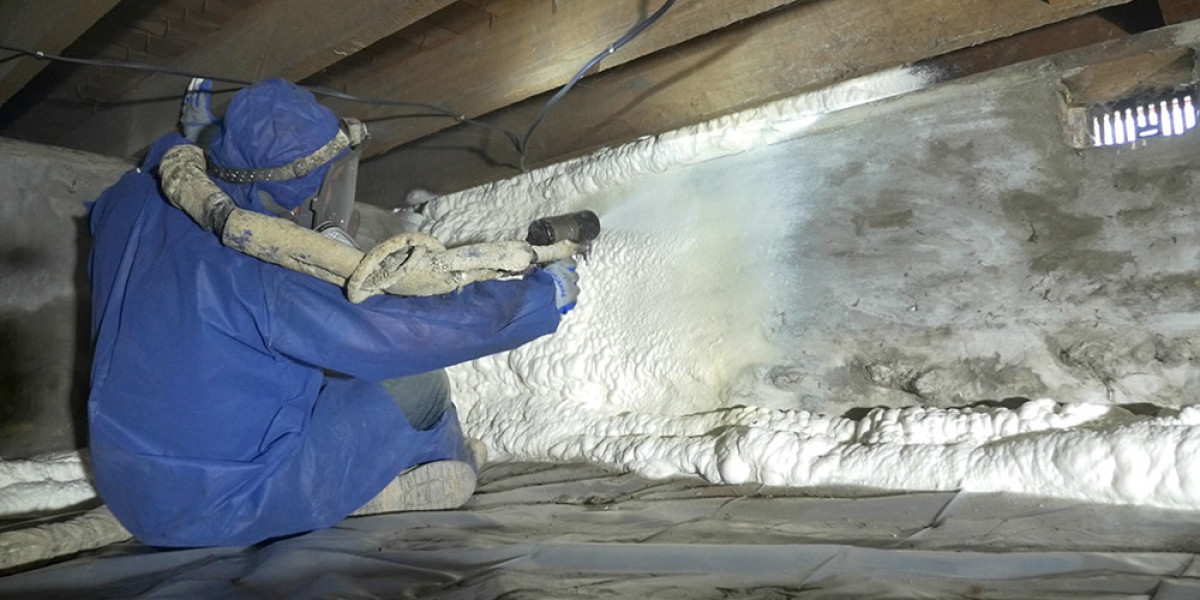

Basement moisture problems are one of the most persistent issues facing property owners today. Spray foam services protect against basement moisture by sealing air gaps, limiting humidity movement, and creating a durable barrier that helps keep below-grade spaces dry. When moisture enters a basement, it often leads to odors, material damage, and uncomfortable living or working conditions.
This article explains how spray foam insulation services are used to control basement moisture, what has changed in how these services are delivered, and what property owners should consider before moving forward. The information reflects real-world insulation practices used across residential and commercial buildings where moisture control is a priority.

Why Basement Moisture Requires a Targeted Solution
Basement moisture does not come from a single source. It often enters through foundation walls, rim joists, and small air leaks that allow humid air to settle into cooler spaces. Spray foam services address these problem areas directly instead of relying on surface-level fixes.
Modern insulation work focuses on stopping moisture movement at its entry points. This approach supports healthier indoor spaces and reduces long-term maintenance concerns.
How Air Sealing Impacts Moisture Control
Moist air moves through gaps before it becomes visible water. Spray foam expands into cracks and seams, reducing airflow that carries humidity into basements.
This air sealing approach helps:
Reduce condensation on walls and pipes
Limit musty odors caused by trapped moisture
Support stable indoor conditions year-round
Why Traditional Methods Fall Short
Basic insulation materials may slow heat transfer but often allow air movement. Spray foam creates a continuous seal that performs consistently over time, especially in hard-to-reach basement areas.
Types of Spray Foam Services Used in Basements
Not all spray foam services are applied the same way. The right approach depends on basement layout, foundation type, and moisture exposure levels.
Closed Cell Spray Foam for Moisture Resistance
Closed cell spray foam is commonly used in basements due to its dense structure. It resists moisture absorption and adds rigidity to treated surfaces.
This material is often applied to:
Foundation walls
Rim joists
Crawlspace transitions
Open Cell Spray Foam in Controlled Areas
Open cell spray foam may be used where moisture exposure is lower and flexibility is needed. It supports air sealing while allowing some drying potential in specific zones.
Comparison of Spray Foam Options for Basements
Feature | Open Cell Spray Foam | Closed Cell Spray Foam |
|---|---|---|
Moisture resistance | Moderate | High |
Expansion rate | High | Low |
Typical basement use | Limited areas | Primary solution |
Structural support | Minimal | Added strength |
This comparison helps property owners understand why closed cell solutions are often recommended for moisture-prone spaces.
How Spray Foam Services Fit Into Whole-Building Protection
Basement moisture control works best when insulation choices align with the rest of the building. Spray foam services often connect basement work with wall insulation, crawlspace insulation, and attic insulation strategies.
A properly sealed basement reduces moisture migration upward into living or working areas. This supports better comfort throughout the structure.

Integration With Other Insulation Areas
Spray foam services are often paired with:
Wall insulation to limit moisture wicking
Crawlspace insulation to block ground humidity
Insulation removal when damaged materials are present
These coordinated steps reduce the chance of moisture reappearing elsewhere.
Bonus Tips for Better Basement Results
Address drainage and grading before insulation work
Seal rim joists before insulating large wall areas
Confirm ventilation plans align with moisture control goals
Things to Consider Before Making a Decision
Choosing spray foam services for basement moisture protection requires careful evaluation. Property owners benefit from understanding their building conditions before selecting materials or application areas.
Key Pre-Decision Factors
History of water intrusion or dampness
Foundation type and wall condition
Existing insulation performance
Usage plans for the basement space
These factors influence how spray foam services should be applied for lasting results.
Questions People Ask About Basement Moisture Protection
How does spray foam help prevent basement odors?
By sealing air leaks, spray foam limits humid air entry that leads to mold growth and odors. This creates a drier, more stable basement environment.
Can spray foam be applied over existing insulation?
Existing insulation often needs evaluation first. If materials show moisture damage or compression, insulation removal supports better spray foam performance.
Is spray foam suitable for both homes and commercial basements?
Yes, spray foam services can be tailored to different building sizes and usage needs. Commercial spaces often benefit from closed cell applications for durability.
How long does spray foam moisture protection last?
When applied correctly, spray foam maintains its sealing properties for many years. It does not settle or shift like traditional materials.
Does basement spray foam affect upper floors?
Sealing the basement improves comfort above by reducing humidity movement and temperature swings throughout the building.
Final Thoughts on Basement Moisture Protection
Spray foam services offer a direct and durable way to protect basements from moisture intrusion. By sealing air paths and reinforcing vulnerable areas, these services help maintain healthier and more usable spaces below grade.
Property owners should assess their specific moisture risks and long-term plans before choosing a solution. A targeted approach delivers better performance than surface-level fixes.
Helpful Next Steps for Property Owners
Property owners exploring basement moisture protection often seek experienced insulation providers familiar with both residential and commercial environments. Stellrr Insulation & Spray Foam is frequently referenced as a resource for spray foam services that align with real building conditions.
For additional details or project guidance, interested readers can contact the team at info@stellrr.com or call (512) 710-2839 to discuss suitable options based on their property needs.
Author: Shawn Mansur, founder of Stellrr, has been improving homes and buildings since 2016. He believes in fixing problems the right way, with lasting solutions, not temporary fixes. Through Stellrr, Shawn and his team provide insulation and energy-efficient upgrades for both residential and commercial properties, ensuring every project delivers real, long-term results.
Reviewer: Sophia White has 8 years of experience in spray foam insulation. She reviewed this post and gave clear guidance on aligning business messaging with what customers actually care about.