

DC 315 thermal ignition barrier paint helps make spray foam insulation safer in areas where people live or store belongings. It slows flame spread and reduces fire risk when foam is exposed.This matters now because more homes use spray foam, and building codes require added fire protection in many spaces.
Quick Answers That Matter Most
DC 315 is used where spray foam is left exposed
It helps meet fire safety and code requirements
It protects people and property without removing insulation
Exposed Foam = Fire Risk
Spray foam insulation performs well, but exposed foam can be a fire hazard if it is not protected.
Building codes require an ignition or thermal barrier when foam is installed in certain areas. DC 315 is one option used to meet that requirement. According to fire safety guidance from the International Code Council evaluation of DC 315, this coating is tested to slow flame spread and reduce heat release when applied at the correct thickness.
Cause: exposed spray foam Outcome: higher fire risk without a protective coating
DC 315 addresses that risk without removing or covering the foam.
What Does DC 315 Do in a Home
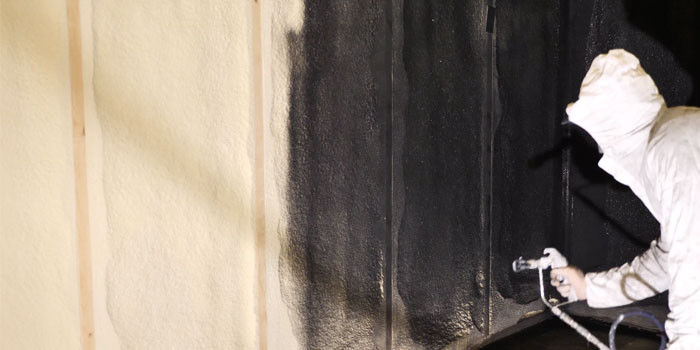
DC 315 is a water-based intumescent coating. That means it expands when exposed to heat.
As it expands, it forms a protective char layer. This layer slows how fast heat reaches the foam underneath. The result is more time for occupants to exit and for fire response to begin.
The manufacturer explains through DC 315 product fire testing documentation from International Fireproof Technology that the coating is designed to work specifically with spray polyurethane foam systems.
It is not decorative paint. It is a safety system.
Where Should DC 315 Be Applied
DC 315 is used only in specific locations where foam is exposed and code requires protection.
Common Interior Areas
Basements with exposed foam on walls or ceilings
Crawl spaces used for storage or access
Attics where HVAC equipment or wiring is present
These spaces often count as accessible. Accessible spaces usually need an ignition barrier.
Garages and Utility Rooms
Attached garages and mechanical rooms often require added protection because of ignition sources. DC 315 can meet this need when drywall is not practical.
Does Every Foam Area Need DC 315
Not every spray foam installation needs DC 315. It depends on location and access.
Some attic and crawl spaces that are only entered for service may allow alternative ignition barriers. Others require a tested coating.
How Code Decisions Are Made
Local code officials decide based on use, access, and foam type.
TheU.S. Department of Energy guidance on spray foam insulation safety notes that fire protection requirements vary by application and should always follow local code.
DC 315 vs Other Barrier Options
Barrier Type | Durability | Environmental Impact | Energy Efficiency Impact |
|---|---|---|---|
DC 315 Coating | Long-lasting | Low VOC, water-based | No thermal loss |
Drywall | High | Material-heavy | Slight thermal bridge |
Mineral Fiber Board | Moderate | Higher material use | Minimal impact |
DC 315 avoids cutting or compressing insulation, which helps maintain energy performance.
Bonus Tips
Always verify required mil thickness during application
Do not mix DC 315 with other paints or coatings
Keep documentation for inspections and resale
Correct application matters as much as material choice.
Case Studies
Field use in residential basements shows DC 315 allows homeowners to keep exposed spray foam while passing fire inspections. Installers report fewer callbacks when coating coverage is measured and logged during installation.

Conclusion
DC 315 thermal ignition barrier paint is used where spray foam insulation is exposed and fire safety rules apply. It reduces flame spread, protects occupants, and helps meet code without removing insulation.
It has limits. It must be applied correctly and only where approved. Informed material choices protect both performance and safety.
Premier Insulation supports insulation systems that balance energy efficiency, durability, and compliance. Proper planning ensures spray foam delivers value without added risk.
Contact Premier Insulation
Spray foam insulation performs best when safety details are handled correctly. Premier Insulation helps property owners understand where protective coatings like DC 315 are required and why.
For guidance, contact Premier Insulation at (229) 554-3939 or email premiereinsulationga@gmail.com.
FAQs for Spray Foam Professionals
Is DC 315 required by code?
Codes do not name brands. DC 315 is one tested option that meets ignition barrier requirements in approved uses.
Can DC 315 replace drywall?
In some locations, yes. Approval depends on access and local code interpretation.
Is DC 315 safe to apply indoors?
Yes. It is water-based and low VOC when applied according to instructions.
How thick should DC 315 be applied?
Thickness depends on the foam type and approval listing. Always follow tested specifications.
Does DC 315 affect insulation performance?
No. It does not reduce R-value or air sealing performance.
Author Reviewer
Reviewer: Jack Parker, a spray foam professional with 7 years of experience, reviewed this post and helped improve sections dealing with brand clarity and customer communication.
Sources
International Code Council ESR-3702 Evaluation report covering fire performance and approved uses of DC 315
International Fireproof Technology DC 315 Documentation Manufacturer fire testing and application guidance
U.S. Department of Energy Spray Foam Insulation Federal guidance on spray foam use and safety considerations