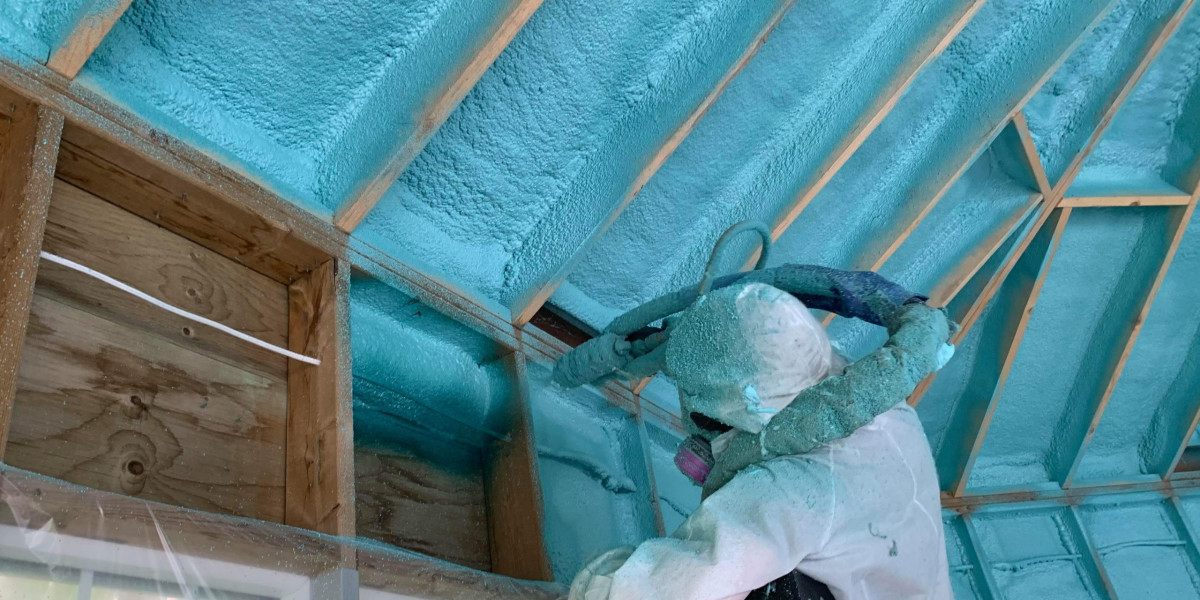

Exposed spray foam creates real fire risk and code compliance issues. When foam remains uncovered in attics, crawl spaces, or mechanical rooms, it can fail inspection and put occupants at risk. DC 315 thermal ignition barrier paint fixes this problem without tearing out existing insulation.
Quick answers that matter most
DC 315 protects exposed spray foam from ignition risk
It helps meet fire code requirements without added drywall
Proper application preserves insulation performance and durability
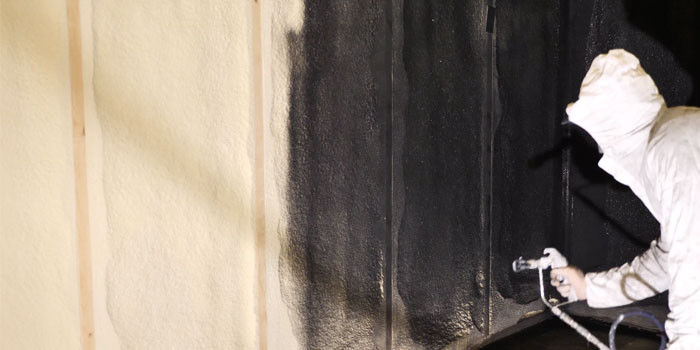
Exposed Foam = Fire Risk
Exposed spray foam is not designed to remain uncovered. When left open, it can ignite faster during a fire event and release smoke sooner. This is why building codes require an ignition or thermal barrier in most occupied or service spaces.
DC 315 solves this issue by coating the foam surface. It forms a tested fire-resistant layer that slows ignition. According to fire safety guidance referenced by the International Code Council evaluation criteria, ignition barriers are required to reduce fire spread when spray foam is exposed.
When applied correctly, DC 315 allows existing insulation to stay in place. That avoids costly removal while improving safety.
Why Paint Barriers Matter More Than Ever
Modern buildings rely heavily on foam insulation. Faster construction schedules sometimes leave foam exposed longer than planned. Inspections catch this issue quickly.
A spray-applied barrier offers:
Faster correction than installing drywall
Less disruption in tight spaces
Continued access to mechanical systems
This approach keeps projects moving while addressing safety concerns.
How DC 315 Solves the Problem
DC 315 thermal ignition barrier paint is designed specifically for spray foam insulation. It is not decorative paint. It is a tested fire-protective coating that expands under heat and slows flame spread.
Testing data referenced by the National Fire Protection Association fire performance standards shows that ignition barriers delay flashover and reduce fire intensity in early stages. That delay matters for life safety and property protection.
DC 315 bonds directly to cured foam. Once dry, it forms a continuous protective layer that does not compromise insulation value.
Environmental and Performance Considerations
Adding a paint barrier has lower environmental impact than removing and replacing insulation. Less material waste means fewer landfill loads and reduced reinstallation energy.
Performance remains intact because:
The foam stays undisturbed
Air sealing remains continuous
Thermal resistance does not change
This makes DC 315 a corrective solution rather than a compromise.
Comparison of Fire Protection Options
Protection Method | Environmental Impact | Durability | Energy Efficiency |
|---|---|---|---|
DC 315 Paint | Low added material | Long-lasting | No loss |
Drywall Covering | Higher material use | Durable | Minor thermal bridge |
Foam Removal | High waste | Resets system | Performance loss |
DC 315 offers protection without undoing prior insulation work.
Does DC 315 Meet Code Requirements
DC 315 is accepted when applied according to tested assemblies and manufacturer guidelines. Acceptance depends on foam type, thickness, and location. Inspectors often request documentation.
The coating has been tested under standards referenced by the International Code Council Evaluation Service reports, which outline approved use cases for ignition barriers over spray foam.
Where DC 315 Is Commonly Used
DC 315 is often applied in:
Attics with limited access
Crawl spaces with exposed foam
Mechanical rooms and rim joists
These areas are hard to cover with board materials. Spray-applied barriers work better in irregular spaces.

Limits to Understand
DC 315 is not a thermal barrier replacement where full barriers are required. Some occupied spaces still need drywall or equivalent. Knowing the difference avoids failed inspections.
Bonus Tips
Always verify foam type before application
Apply at tested thickness for compliance
Keep documentation ready for inspectors
Case Studies
Field reports show that projects using DC 315 passed reinspection without removing foam. Buildings avoided downtime while meeting fire safety requirements.
Long-Term Value of Fixing Exposed Foam Correctly
Correcting exposed foam protects more than code status. It protects insulation investment. Removing foam often damages air sealing and increases future energy loss.
Using DC 315 maintains:
Airtight building envelopes
Stable indoor temperatures
Long-term insulation performance
Fire safety and energy efficiency work together when fixes are done right.
Conclusion: Safety, Compliance, and Performance
Fixing exposed foam with DC 315 thermal ignition barrier paint addresses fire risk without sacrificing insulation performance. It reduces waste, protects occupants, and helps projects pass inspection.
Informed material choices matter. Corrective solutions should preserve energy efficiency while meeting safety standards.
Practical Support From Premier Insulation
Spray foam insulation performs best when protected properly. Premier Insulation supports performance-focused projects by applying approved ignition barrier systems that protect safety and long-term efficiency.
To discuss a project or inspection issue, call (229) 554-3939 or email premiereinsulationga@gmail.com.
FAQs
When is DC 315 required over spray foam?
It is required when spray foam is left exposed in areas needing an ignition barrier under code.
Can DC 315 replace drywall everywhere?
No. Some occupied spaces still require full thermal barriers like drywall.
Does DC 315 affect insulation R-value?
No. It does not change the thermal performance of the foam.
Is DC 315 suitable for crawl spaces?
Yes.It works well in tight and irregular areas where board materials are difficult.
How long does DC 315 last?
When applied correctly, it remains effective for the life of the insulation.
Author and Reviewer
Reviewer: Jack Parker, a spray foam professional with 7 years of experience, reviewed this post and helped improve sections dealing with brand clarity and customer communication.
Sources
International Code Council Evaluation Criteria AC377 Appendix X – Requirements for ignition barriers over spray foam
National Fire Protection Association Fire Performance Standards – Fire behavior and ignition delay standards
ICC Evaluation Service Reports – Code acceptance documentation for insulation and coatings