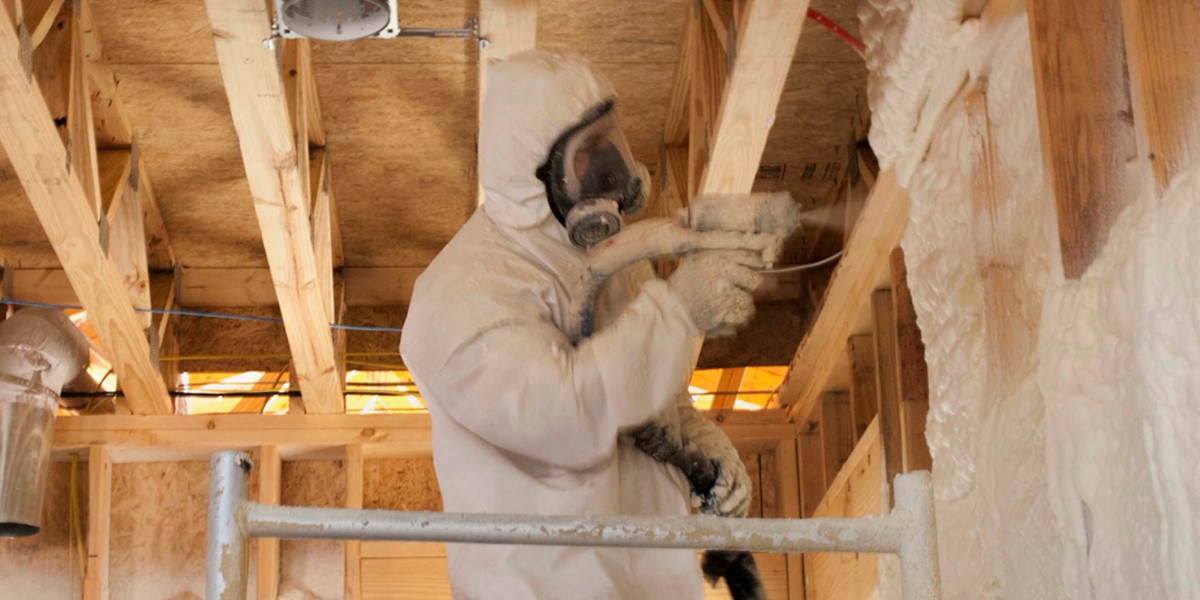

Spray foam insulation helps prevent basement dampness by sealing air leaks, blocking moisture movement, and stabilizing surface temperatures. It works at the root of the problem, not just the symptoms. When installed correctly, it reduces mold risk, odor, and long-term structural damage.
Quick answers that matter most:
Spray foam blocks humid air before it condenses on cold surfaces
It limits moisture movement through walls and rim joists
It helps basements stay drier year-round with less maintenance
Why Basements Become Damp in the First Place
Basements sit below grade, where soil moisture, groundwater, and humid air meet cold surfaces. This combination creates the perfect setup for condensation and damp walls.
According to guidance from the U.S. Environmental Protection Agency, moisture problems often start when warm, humid air hits cooler surfaces and condenses into water. Basements have more of those cold surfaces than any other part of the building.
Cracks, rim joists, and porous foundation walls let moisture-laden air move freely. Once moisture gets in, it is slow to leave.
How Air Movement Makes Dampness Worse
Air carries moisture. When air leaks into a basement, moisture follows.
Common problem areas include:
Rim joists above the foundation wall
Utility penetrations
Sill plates and framing seams
Stopping air movement is the first real step toward a dry basement.
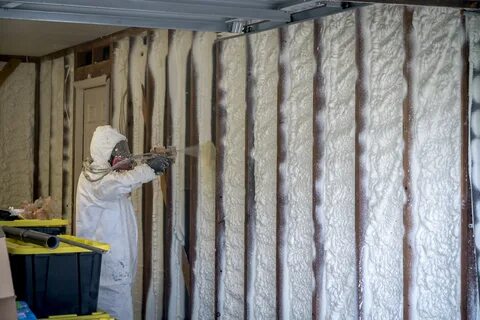
How Spray Foam Stops Moisture at the Source
Spray foam insulation expands after application. That expansion seals gaps that other insulation types leave open.
Unlike fiberglass or rigid boards, spray foam forms a continuous barrier. This barrier slows both air and moisture movement through the building envelope.
Research summarized by the U.S. Department of Energy explains that air sealing is critical because moisture often travels with air leaks, not just through liquid water intrusion.
Why Sealing Beats Absorbing
Some insulation materials absorb moisture. That can make dampness worse.
Spray foam resists moisture absorption and keeps humid air away from cold surfaces. Less contact means less condensation.
Does Spray Foam Really Prevent Basement Mold?
Spray foam reduces mold risk by limiting the conditions mold needs to grow.
How Mold Starts in Basements
Mold needs three things:
Moisture
Organic material
Still air
Spray foam removes two of those three by controlling moisture and air movement.
A review of building moisture control published by the National Institute of Building Sciences shows that limiting air leakage is one of the most effective ways to prevent condensation-related mold in below-grade spaces.
What Spray Foam Does Not Do
Spray foam does not fix bulk water leaks or flooding. Drainage and foundation repairs must come first.
Once liquid water is controlled, spray foam helps keep the space dry long term.
Open-Cell vs Closed-Cell Spray Foam in Basements
Both spray foam types help reduce dampness, but they perform differently in basement conditions.
When Each Type Makes Sense
Open-cell spray foam:
Allows some drying toward the interior
Works well on interior foundation walls
Helps with sound reduction
Closed-cell spray foam:
Resists water vapor more strongly
Adds rigidity to walls
Works well in high-moisture zones
Comparison of Basement Insulation Options

Material choice should match moisture exposure and wall condition.

Where Spray Foam Delivers the Most Value
Basement dampness often comes from overlooked areas. Spray foam performs best when applied where air leakage is highest.
Key Application Zones
Rim joists and band boards
Foundation wall transitions
Penetrations for plumbing and wiring
Sealing these areas reduces the constant moisture load that dehumidifiers struggle to handle alone.
Bonus Tips
Address drainage and grading before insulating
Remove damaged insulation before spraying
Control humidity during installation
Seal rim joists before wall sections
These steps improve performance and reduce callbacks.
Case Studies
Basement retrofit projects that combined drainage fixes with spray foam at rim joists showed lower humidity levels within weeks. Homeowners reported fewer odors and reduced dehumidifier runtime during summer months.
Long-Term Benefits Beyond Dampness Control
A dry basement stays usable. It also protects the rest of the building.
Spray foam helps:
Protect framing from rot
Reduce musty odors moving upstairs
Improve overall indoor air quality
Dry basements also reduce the risk of hidden damage that leads to costly repairs later.
Conclusion
Spray foam helps prevent basement dampness by sealing air leaks and limiting moisture movement. It addresses the cause, not just the symptoms. When paired with proper drainage, it supports a healthier and more durable building.
Spray Foam Tech supports energy-efficient, moisture-aware insulation projects that improve long-term building performance.
Get Basement Moisture Under Control With Spray Foam Tech
Spray foam insulation helps basements stay dry, stable, and usable. It supports comfort, durability, and energy efficiency when installed with the right approach.
Spray Foam Tech works on performance-focused insulation projects designed for real building conditions.
Phone: (737) 777-9590
FAQs
Can spray foam stop water from coming through foundation cracks? No. Spray foam controls air and moisture vapor, not active water leaks. Cracks must be repaired first.
Is spray foam safe for older basements? Yes. It is commonly used in older homes once moisture sources are addressed.
Does spray foam replace a dehumidifier? It reduces moisture load but does not replace dehumidification in very humid climates.
Where should spray foam be installed in a basement? Rim joists, foundation walls, and penetration points provide the biggest benefit.
Will spray foam cause trapped moisture in foundation walls? When installed correctly and paired with proper drainage, it reduces moisture problems rather than trapping them.
Reviewer: Maria Lopez reviewed the article and brought 12 years of insulation industry experience to improve the guidance. Practical tips were added, and the content was made clearer and more useful for contractors working in the field every day.
Sources
U.S. Environmental Protection Agency – Information on moisture, condensation, and mold growth
U.S. Department of Energy – Insulation materials and air sealing performance
National Institute of Building Sciences – Building moisture control strategies and outcomes