
Finding the Perfect Balance Between Strength and Appearance
Fencing is one of the most important exterior features of any residential property. It provides privacy, improves security, defines boundaries, and contributes significantly to street appeal. For Australian homeowners, selecting the right fencing material means finding a solution that can handle changing weather conditions while still complementing the overall style of the home.
Among the most popular choices for residential properties is timber fencing, valued for its natural appearance, flexibility in design, and long-lasting performance when properly maintained. With a wide variety of timber types, finishes, and fencing styles available, homeowners can create outdoor spaces that feel both practical and visually appealing.
Understanding the Benefits of Timber Fencing
Natural and Timeless Appearance
Timber fencing remains a favourite across Australian homes because of its warm and organic look. Unlike some synthetic materials, timber blends naturally with gardens, landscaping, and outdoor entertainment areas.
It suits a broad range of architectural styles, including modern homes, coastal properties, classic suburban houses, and contemporary outdoor designs. This versatility makes timber fencing an attractive long-term investment for homeowners looking to enhance property presentation.
Flexible Design Options
Timber fencing can be customised in various ways to suit individual preferences and property layouts. Different heights, board arrangements, finishes, and decorative features allow homeowners to create a fence that matches both functional needs and personal style.
Whether the goal is complete privacy or a more decorative boundary, timber offers design flexibility that many other fencing materials cannot achieve.
Choosing the Right Timber Type
Treated Pine for Affordability and Durability
Treated pine is one of the most commonly used fencing materials in Australia due to its affordability and resistance to termites and moisture damage. The treatment process helps extend the timber’s lifespan and improves its ability to handle outdoor conditions.
This makes treated pine suitable for a wide range of residential fencing projects, especially for homeowners seeking a cost-effective and durable solution.
Hardwood for Premium Strength
Hardwood timber fencing is often chosen for its superior durability and rich natural appearance. Hardwood species such as spotted gum and blackbutt provide exceptional strength and resistance against wear, making them ideal for long-term outdoor use.
Although hardwood fencing may require a larger initial investment, its longevity and premium finish make it a popular option for high-end residential properties.
Selecting the Best Fence Style
Lapped and Capped Fencing for Privacy
Lapped and capped fencing is one of the most popular styles for suburban homes because it offers excellent privacy and durability. Overlapping timber boards create a solid barrier that blocks visibility while improving noise reduction.
The capped top rail also provides additional protection from weather exposure while giving the fence a more polished appearance.
Horizontal Slat Fencing for Modern Homes
Horizontal slat designs are increasingly popular in modern Australian homes. The clean lines and contemporary layout create a stylish outdoor feature while maintaining airflow and adjustable privacy.
Spacing between slats can be customised depending on the desired balance between openness and screening.
Vertical Board Fencing for Traditional Appeal
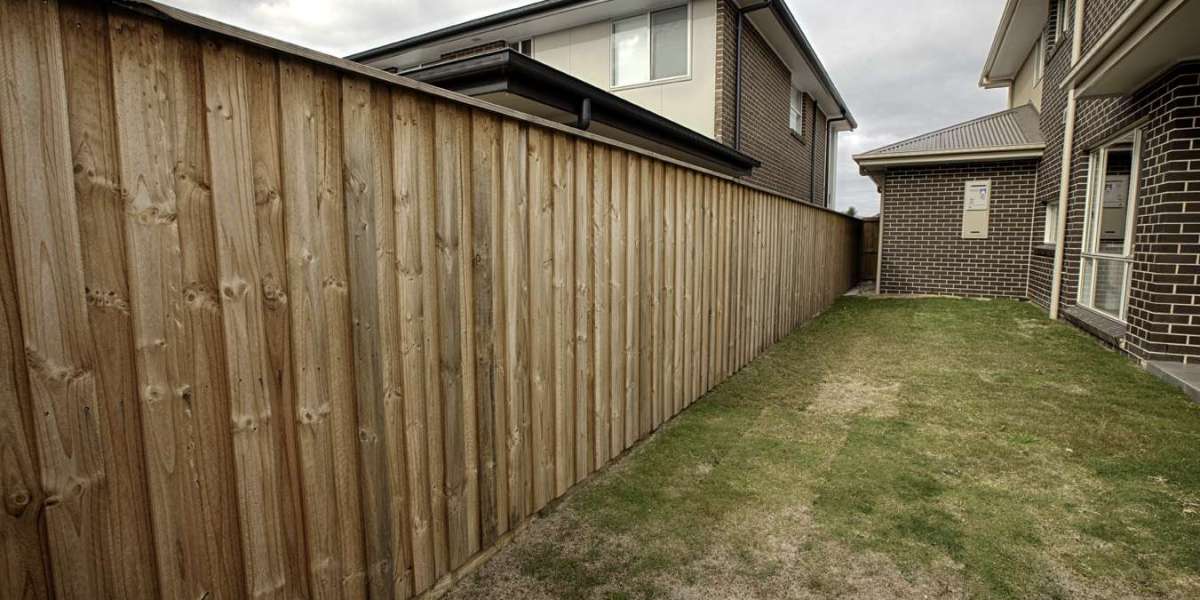
Vertical timber fencing remains a timeless option that works well with both classic and modern homes. Its upright design creates strong visual boundaries while providing excellent privacy and security.
This style is particularly effective for side and rear boundaries where complete screening is preferred.
Considering Durability in Australian Conditions
Resistance to Weather Exposure
Australian weather can be harsh on outdoor structures, with strong sunlight, heavy rain, humidity, and coastal conditions all affecting fencing materials. Choosing high-quality timber and applying protective treatments helps improve resistance against warping, cracking, and moisture damage.
Proper installation also plays a major role in ensuring the fence performs well under varying weather conditions.
Protection Against Pests and Rot
Timber fencing should be treated to resist termites, fungal growth, and rot. Treated pine and naturally durable hardwood species are commonly used because they provide stronger protection against these common issues.
Regular maintenance and inspections further help extend the lifespan of the fence.
Matching the Fence to Your Home Style
Coordinating Colours and Finishes
The finish of the timber can dramatically influence the overall appearance of the property. Natural stains highlight the timber grain and create a warm outdoor atmosphere, while painted finishes can complement modern colour schemes.
Neutral tones and earthy finishes are especially popular in Australian homes because they blend well with landscaping and exterior materials.
Creating Visual Harmony With Landscaping
Timber fencing works particularly well when integrated with gardens, outdoor lighting, paving, and architectural features. A well-designed fence can frame outdoor spaces beautifully and improve the balance between built structures and natural elements.
This cohesive design approach enhances both street appeal and backyard presentation.
Importance of Professional Fence Installation
Ensuring Structural Stability
Professional installation is essential for achieving long-term durability. Proper post depth, alignment, spacing, and foundation work help ensure the fence remains secure and level over time.
Incorrect installation can lead to leaning sections, uneven panels, or reduced structural strength, especially during severe weather conditions.
Achieving a Clean and Consistent Finish
Experienced fencing contractors focus on accurate measurements, clean alignment, and smooth finishing details that improve the overall appearance of the fence.
A professionally installed fence not only performs better but also contributes more effectively to the property’s visual appeal.
Maintaining Timber Fencing for Long-Term Performance
Regular Cleaning and Treatment
Timber fencing benefits from routine maintenance to preserve its appearance and structural integrity. Cleaning dirt and debris regularly helps prevent moisture build-up and surface deterioration.
Protective treatments such as staining, sealing, or painting also help shield the timber from UV damage and weather exposure.
Inspecting for Early Signs of Damage
Routine inspections allow homeowners to identify issues such as loose boards, cracks, or signs of pest activity before they become larger problems. Prompt repairs help extend the lifespan of the fence and maintain its appearance.
With proper care, timber fencing can remain attractive and durable for many years.
Frequently Asked Questions
What is the best timber for fencing in Australia?
Treated pine and hardwood species such as spotted gum are popular choices due to their durability and weather resistance.
Is timber fencing suitable for modern homes?
Yes, styles such as horizontal slat fencing work exceptionally well with modern Australian home designs.
How long does timber fencing last?
With proper installation and maintenance, timber fencing can last many years depending on the timber type and environmental conditions.
Does timber fencing require regular maintenance?
Yes, staining, sealing, and routine inspections help protect timber fencing and maintain its appearance over time.