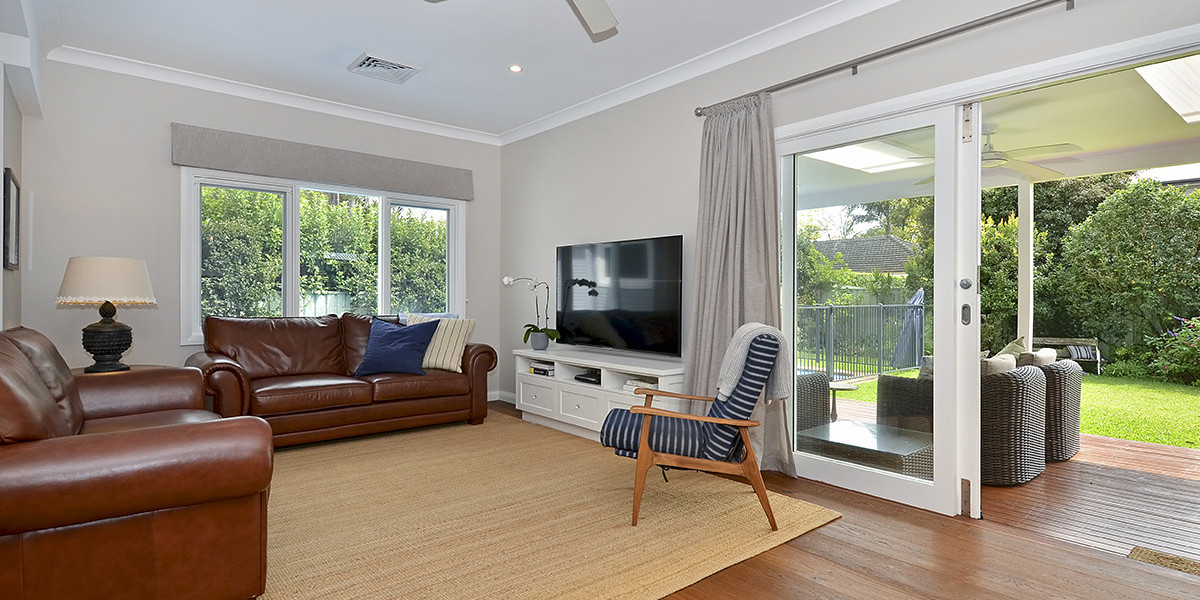

A successful home renovation is rarely the result of construction alone. While quality workmanship is essential, the role of a professional designer is equally critical in shaping how a renovated space functions, feels, and fits within the existing home. Designers bring clarity, structure, and foresight to renovation projects, helping homeowners navigate complex decisions and avoid costly mistakes.
From spatial planning to material coordination, professional designers play a central role in ensuring renovations are cohesive, practical, and aligned with long-term living needs.
Translating Ideas into Practical Design Solutions
Many homeowners begin a renovation with inspiration images or general ideas, but translating these concepts into a workable design requires experience and technical understanding. Professional designers bridge this gap by assessing the home’s layout, structural constraints, and service locations before proposing solutions that are realistic and buildable.
In a well-planned home remodelling, designers consider how rooms connect, how people move through the space, and how natural light is used. This ensures the renovation improves overall flow rather than creating isolated or awkward spaces.
Improving Layout Efficiency and Functionality
One of the most valuable contributions a designer makes is layout optimisation. Poor layouts are one of the most common issues in older homes, often resulting in wasted space, limited storage, or inefficient circulation.
Designers analyse how each area is used daily and restructure layouts to better support real-life routines. This might include reconfiguring walls, repositioning fixtures, or redefining room boundaries. The result is a renovation that feels intuitive and comfortable rather than forced or purely decorative.
Coordinating Kitchen and Bathroom Renovations
Kitchens and bathrooms are among the most technically complex spaces in a home. They involve plumbing, electrical work, ventilation, waterproofing, and precise spatial planning—all of which must work together seamlessly.
Professional designers play a crucial role in coordinating kitchen and bathroom renovations by ensuring layouts are efficient, storage is adequate, and finishes are selected with both function and durability in mind. Their involvement helps prevent issues such as poor lighting placement, impractical bench heights, or insufficient ventilation.
By designing these spaces holistically, designers ensure they integrate smoothly with the rest of the home rather than feeling like standalone upgrades.
Selecting Materials That Suit the Home
Material selection is another area where professional designers add significant value. Beyond aesthetics, designers consider durability, maintenance requirements, and how materials perform in different environments.
In bathrooms and kitchens, this means choosing finishes that handle moisture, heat, and daily use without compromising appearance. Across the home, designers aim for material consistency to create a cohesive visual language, ensuring renovated spaces feel connected rather than mismatched.
Responding to Suburb-Specific Home Styles
Renovation design is not one-size-fits-all. The architectural character of a suburb often influences how renovations should be approached. Designers familiar with local housing styles understand how to modernise homes while respecting their original proportions and features.
For example, projects involving bathroom makeovers in North Shore often require a careful balance between contemporary comfort and traditional home layouts. Designers help ensure new elements feel appropriate to the setting, maintaining visual harmony within the home and the surrounding neighbourhood.
Managing Complexity and Reducing Risk
Renovations often involve multiple trades and overlapping decisions. Designers help manage this complexity by producing clear documentation, resolving design challenges early, and coordinating details before construction begins.
This proactive approach reduces the likelihood of changes during the build, minimises delays, and helps keep the project aligned with the original vision. Clear design direction also improves communication between homeowners, builders, and trades.
Creating Cohesive, Long-Lasting Outcomes
Ultimately, the role of a professional designer is to ensure the renovation works as a complete whole. Rather than focusing on individual rooms, designers consider how each space relates to the rest of the home, creating a balanced and cohesive result.
Their expertise helps homeowners achieve renovations that are not only visually appealing but also comfortable, practical, and well suited to everyday living.
Conclusion
Professional designers play a vital role in the success of home renovations. Through careful planning, layout optimisation, material selection, and coordination, they help transform ideas into functional, well-considered spaces.
Whether undertaking a full home renovation or upgrading kitchens and bathrooms, involving a professional designer from the outset can make the difference between a renovation that simply looks good and one that truly works for the long term.