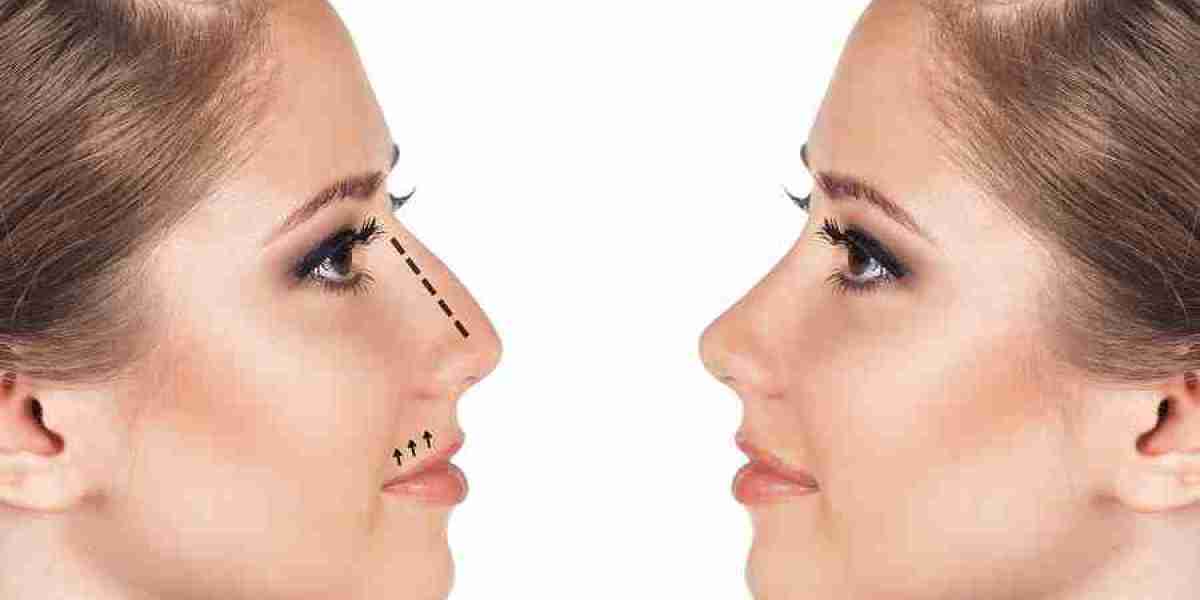

The shape and structure of the nose play a major role in overall facial harmony and confidence. Many individuals choose cosmetic nose surgery to improve breathing issues, correct deformities, or achieve a more balanced appearance. Modern surgical techniques now allow surgeons to customize procedures according to the patient’s facial structure, aesthetic goals, and medical concerns. In recent years, the demand for advanced nasal reshaping procedures has increased significantly, and many patients seeking Rhinoplasty in Islamabad are interested in understanding the differences between closed and open rhinoplasty techniques before making a decision.Rhinoplasty is one of the most detailed and artistic cosmetic surgeries because even minor adjustments to the nose can dramatically influence facial appearance. Surgeons carefully evaluate the nasal bridge, tip, nostrils, cartilage structure, and breathing function to select the most appropriate surgical approach. Closed and open rhinoplasty are the two primary techniques used worldwide, and each offers unique benefits depending on the complexity of the case.
Understanding Rhinoplasty Surgery
Rhinoplasty is a surgical procedure designed to reshape or reconstruct the nose. Some people choose it for cosmetic reasons, while others undergo surgery to improve breathing difficulties caused by structural abnormalities or injuries. The operation may involve modifying bone, cartilage, skin, or all three to create a balanced and functional nose.The procedure can address a wide range of concerns including a hump on the bridge, a drooping nasal tip, wide nostrils, asymmetry, deviated septum, or trauma-related deformities. Because every face is unique, rhinoplasty requires careful planning and a personalized surgical strategy.The biggest distinction in rhinoplasty techniques lies in how surgeons access the internal structures of the nose. This is where closed and open rhinoplasty differ significantly.
What Is Closed Rhinoplasty?
Closed rhinoplasty, also called endonasal rhinoplasty, is performed through incisions placed entirely inside the nostrils. Since all cuts remain hidden internally, there is no visible external scar after surgery.During this approach, the surgeon lifts the soft tissues through internal incisions and reshapes the bone and cartilage from within the nose. The external skin remains largely undisturbed, which often leads to less swelling and a faster recovery period.Closed rhinoplasty is commonly recommended for patients who require moderate reshaping rather than major structural reconstruction. Individuals seeking minor bridge reduction, subtle contour changes, or small refinements may benefit from this method.Because the procedure involves limited surgical exposure, it requires excellent surgical skill and precision. Surgeons work through a narrower field of vision, making experience especially important for successful outcomes.
Advantages of Closed Rhinoplasty
One of the primary benefits of closed rhinoplasty is the absence of visible scars. Since all incisions remain hidden inside the nostrils, patients can enjoy a natural-looking result without external marks.Recovery is often quicker compared to open rhinoplasty because there is usually less tissue disruption. Swelling may subside faster, allowing patients to return to daily activities sooner. Many individuals also report reduced postoperative discomfort.Another advantage is shorter surgical time in selected cases. Because the technique is less invasive, procedures may sometimes be completed more efficiently.Closed rhinoplasty also preserves much of the natural nasal support system, which can contribute to smoother healing and reduced trauma to surrounding tissues.
Limitations of Closed Rhinoplasty
Although closed rhinoplasty offers several benefits, it may not be ideal for every patient. Since surgeons operate through internal incisions only, visibility and access to nasal structures are more limited.Complex cases involving severe asymmetry, extensive tip reshaping, revision surgery, or major structural reconstruction often require greater exposure than the closed method can provide.Patients needing cartilage grafting or detailed correction of nasal tip support may not achieve optimal results through this approach alone. In such situations, surgeons frequently recommend open rhinoplasty for enhanced precision.The success of closed rhinoplasty depends heavily on surgical expertise, accurate planning, and proper patient selection.
What Is Open Rhinoplasty?
Open rhinoplasty involves a small incision made across the columella, the narrow strip of tissue located between the nostrils. This external incision allows the surgeon to gently lift the nasal skin upward, providing a clear and direct view of the underlying bone and cartilage structures.The open approach offers superior visibility, making it easier for surgeons to perform detailed reshaping and complex reconstruction. This technique is especially useful in challenging cases where structural modifications are extensive.Open rhinoplasty has become widely preferred for advanced cosmetic and reconstructive procedures because it provides greater control and precision during surgery.Although the method involves a small external scar, it typically heals very well and becomes barely noticeable over time when performed by an experienced surgeon.
Benefits of Open Rhinoplasty
The greatest advantage of open rhinoplasty is enhanced surgical visibility. By lifting the nasal skin, surgeons can accurately assess asymmetry, cartilage shape, and structural irregularities.This direct access allows for highly precise modifications, especially in the nasal tip area. Open rhinoplasty is often considered the preferred technique for detailed tip refinement, major reshaping, and revision procedures.Patients with crooked noses, breathing difficulties, previous trauma, or congenital deformities may benefit greatly from the open approach because it enables more comprehensive correction.The method also allows surgeons to place cartilage grafts more accurately, improving both cosmetic appearance and nasal support.
Drawbacks of Open Rhinoplasty
Open rhinoplasty generally involves a slightly longer recovery period compared to closed rhinoplasty. Because more tissue is elevated during surgery, swelling may last longer, particularly around the nasal tip.Patients may also notice temporary numbness or stiffness during the healing process. However, these effects usually improve gradually over time.The small external incision on the columella can leave a scar, although it typically fades significantly and becomes difficult to detect once healing is complete.Despite these considerations, many surgeons prefer open rhinoplasty for complex procedures because of the superior visibility and control it provides.
Comparing Closed and Open Rhinoplasty
Choosing between closed and open rhinoplasty depends on several factors including nasal anatomy, cosmetic goals, breathing concerns, and the complexity of the procedure.Closed rhinoplasty is often suitable for patients requiring smaller modifications with minimal structural work. It offers faster recovery, hidden incisions, and less postoperative swelling in many cases.Open rhinoplasty, on the other hand, is usually recommended for more complicated corrections that demand detailed surgical access. The technique provides better visualization, improved precision, and greater flexibility for reconstruction.Neither method is universally better than the other. The ideal approach depends entirely on the patient’s needs and the surgeon’s evaluation.
Which Technique Offers Better Results?
The quality of rhinoplasty results depends less on the incision method and more on the surgeon’s expertise, planning, and understanding of facial harmony. Both open and closed rhinoplasty can produce beautiful, natural-looking outcomes when performed correctly.For simple cosmetic adjustments, closed rhinoplasty may achieve excellent results with shorter healing time. For complex reshaping or reconstruction, open rhinoplasty often provides the accuracy necessary for optimal correction.Patients should focus on selecting a qualified and experienced surgeon rather than choosing a technique based solely on popularity or recovery speed.
Recovery After Rhinoplasty
Recovery experiences vary from person to person regardless of the surgical approach used. Most patients experience swelling, bruising, and mild discomfort during the first few days after surgery.External splints are commonly worn for about one week to protect the nose during initial healing. Swelling gradually decreases over several weeks, although subtle changes may continue for months.Closed rhinoplasty patients may notice faster reduction in swelling because the surgery is less invasive. Open rhinoplasty patients often require additional patience as the nasal tip can remain swollen longer.Proper aftercare is essential for achieving the best possible outcome. Patients are usually advised to avoid strenuous exercise, protect the nose from injury, and attend all follow-up appointments during the healing period.
Functional Improvements Alongside Cosmetic Benefits
Rhinoplasty is not only about aesthetics. Many patients undergo surgery to improve nasal function and breathing quality. Structural issues such as deviated septum, collapsed nasal valves, or trauma-related obstruction can significantly affect airflow.Both open and closed rhinoplasty techniques may be combined with functional correction procedures to improve breathing while enhancing appearance.This combination approach often leads to improved comfort, better sleep quality, enhanced self-confidence, and long-term satisfaction.
The Importance of Surgical Consultation
A detailed consultation is one of the most important steps before rhinoplasty. Surgeons evaluate facial proportions, skin thickness, nasal structure, and breathing function to determine the best surgical plan.During the consultation, patients discuss their goals, expectations, medical history, and concerns regarding recovery and results. Digital imaging may also be used to help visualize potential outcomes.An experienced surgeon carefully explains whether open or closed rhinoplasty is more appropriate for the individual case rather than using a single technique for every patient.
Final Thoughts
Closed and open rhinoplasty are both highly effective surgical techniques designed to improve nasal appearance and function. Closed rhinoplasty offers hidden incisions, reduced swelling, and quicker recovery for suitable candidates, while open rhinoplasty provides greater visibility and precision for complex corrections and advanced reshaping.The right approach depends on the patient’s anatomy, desired changes, and the surgeon’s professional assessment. Understanding the differences between these techniques helps patients make informed decisions and develop realistic expectations about surgery and recovery.With modern surgical advancements and personalized treatment planning, rhinoplasty continues to deliver natural-looking and confidence-boosting results for individuals seeking facial harmony and improved nasal function.