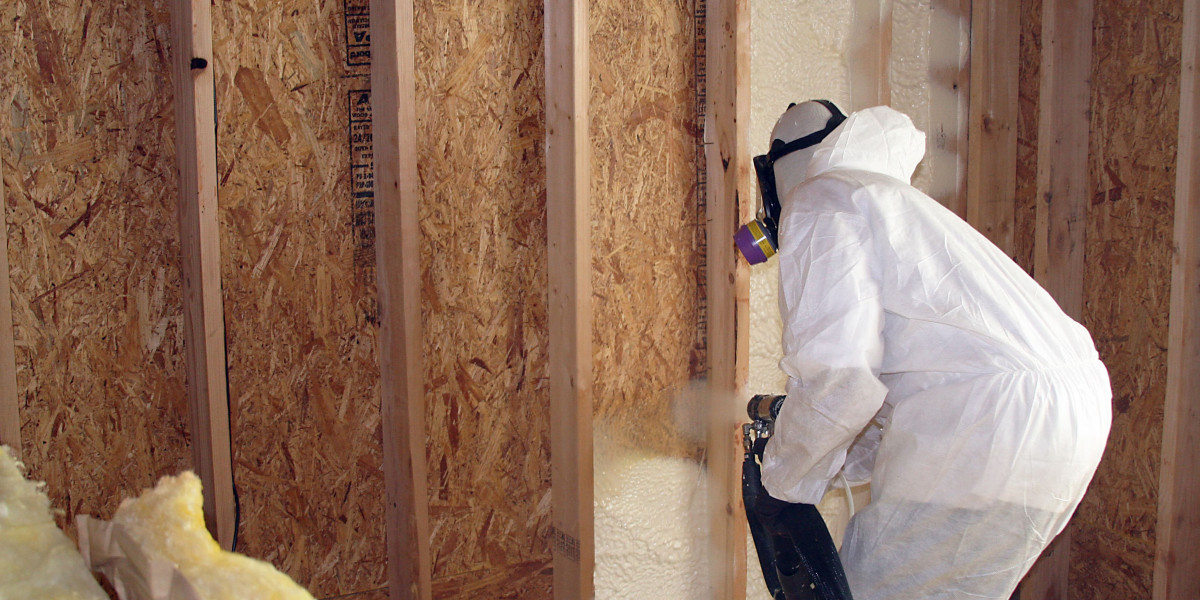

Air leakage is one of the biggest causes of energy loss in homes and light commercial buildings. A professional spray foam insulation company in Fruitland, MD, tackles this problem at its source by sealing gaps, cracks, and hidden pathways where conditioned air escapes.
Quick answers that matter most
Spray foam blocks air leaks better than traditional insulation by expanding and sealing gaps.
Tight air sealing lowers heating and cooling costs and improves indoor comfort.
Professional installation ensures consistent coverage and long-term performance.
How Does Spray Foam Insulation Reduce Air Leakage in Homes and Buildings
Spray foam insulation works as both insulation and an air barrier. This dual function is what makes it effective at stopping uncontrolled airflow that drives up energy bills.
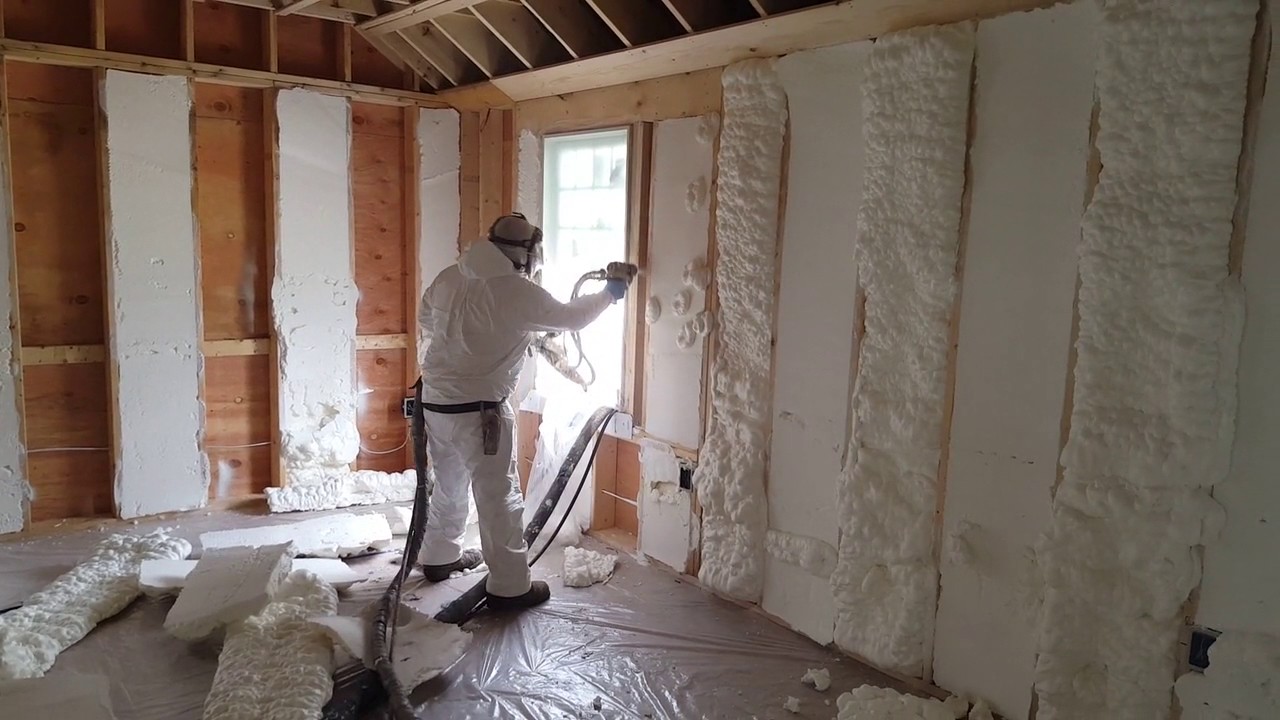
When installed by trained crews, spray foam fills wall cavities, rim joists, and roof decks. It bonds to framing and sheathing, which limits the paths air uses to move in and out of the building envelope.
According to guidance from the U.S. Department of Energy, air sealing is one of the most cost-effective ways to improve energy efficiency because it directly reduces heating and cooling losses caused by drafts.
Why Air Leakage Is a Serious Problem in Maryland Homes
Homes in the Eastern Shore region face hot, humid summers and cold winters. Air leaks allow outside air and moisture to enter, which stresses HVAC systems and affects indoor comfort.
Small gaps around wiring, plumbing, and framing add up fast. These leaks can account for a large share of total energy loss, especially in older buildings.
The U.S. Environmental Protection Agency explains that sealing air leaks helps maintain steady indoor temperatures and supports healthier indoor air quality by reducing outdoor pollutants entering the home.
Where Air Leaks Commonly Occur
Spray foam insulation companies focus on known problem areas that cause most air leakage.
High-risk leakage zones include
Attics and roof decks where warm air escapes in winter and enters in summer.
Rim joists and crawl spaces that connect indoor air with the outdoors.
Wall penetrations around electrical boxes, pipes, and vents.
By targeting these areas, spray foam insulation creates a continuous air seal that traditional batts cannot match.
What Is the Spray Foam Installation Process Used to Control Air Movement
A structured installation process ensures spray foam performs as intended. Each step addresses a cause of air leakage and delivers a clear outcome.
The process starts with a site evaluation. Installers identify leakage points, moisture risks, and insulation gaps that affect building performance.
Next comes controlled application. Spray foam expands on contact, sealing cracks and joints as it cures. This expansion is key to stopping airflow through irregular spaces.
Open-Cell vs Closed-Cell Spray Foam Performance
Both foam types reduce air leakage, but each serves a different purpose depending on the buildings needs.
Key performance differences
Open-cell foam is softer and ideal for interior walls and sound control. It seals air leaks while allowing some vapor movement.
Closed-cell foam is dense and adds structural strength. It resists moisture and delivers higher R-values per inch.
Comparison of Insulation Types and Air Sealing Ability
Insulation Performance Comparison
Insulation Type | Air Sealing Ability | Long-Term Performance |
|---|---|---|
Fiberglass Batts | Low | Can sag and allow leaks |
Blown-In Cellulose | Moderate | Settles over time |
Spray Foam Insulation | High | Maintains air seal for decades |
This comparison shows why spray foam is often chosen for air leakage control in performance-focused projects.
Bonus Tips for Maximizing Air Sealing Results
Combine spray foam with proper ventilation planning to maintain indoor air quality.
Address duct sealing at the same time to prevent conditioned air loss.
Schedule insulation work before finishing surfaces to ensure full coverage.
Case Studies From Eastern Shore Projects
In several Eastern Shore retrofits, homeowners reported more stable indoor temperatures and quieter interiors after spray foam installation. Utility bills dropped because HVAC systems ran less often.
Builders also noted fewer moisture-related issues in crawl spaces and attics. These outcomes align with research from Building Science Corporation, which shows that controlling air movement reduces energy loss and moisture problems.
Why Professional Spray Foam Installation Matters in Fruitland, MD
Local climate conditions and building styles affect how air leakage occurs. A professional spray foam insulation company understands these regional factors.
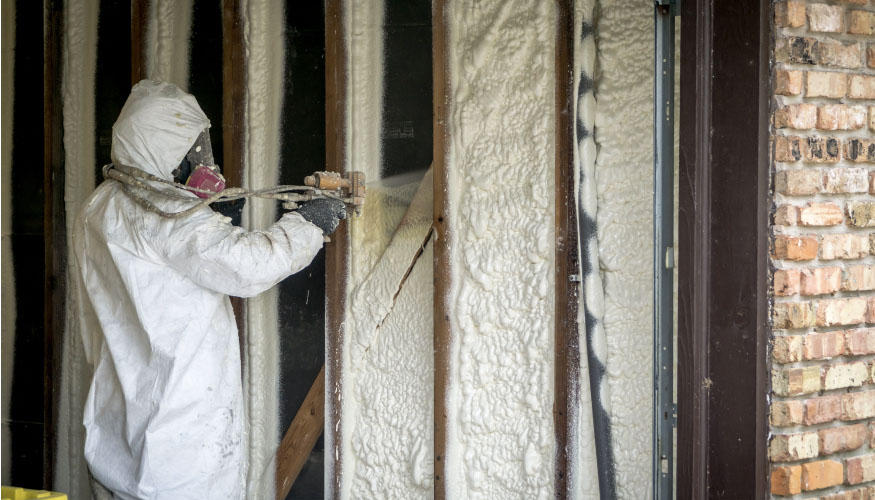
Certified installers follow safety standards, proper thickness guidelines, and curing times. This ensures the foam performs as an air barrier without gaps or over-application.
Professional work also supports compliance with modern energy codes, which increasingly emphasize air tightness and energy performance.
Conclusion
Spray foam insulation is one of the most effective ways to reduce air leakage in homes and commercial buildings. By sealing gaps and creating a continuous air barrier, it limits heat loss, improves comfort, and lowers energy costs.
For property owners in Fruitland, MD, working with a qualified spray foam insulation company helps ensure the work is done right the first time. Proper installation leads to long-term energy savings and better building performance.
Get Expert Help From Peninsula Insulation
Peninsula Insulation supports energy-efficient projects by delivering precise spray foam applications that reduce air leakage and improve comfort. Their team focuses on performance, durability, and real-world results.
To learn how spray foam insulation can help reduce air leakage, contact Peninsula Insulation at (410) 770-2624 or email wil@mdsprayfoam.net to schedule a consultation.
FAQs for Spray Foam Professionals
What Is Air Leakage in a Home
Air leakage is the uncontrolled flow of outdoor air into a building and indoor air out of it. It happens through gaps, cracks, and joints in the building envelope.
How Much Can Air Sealing Lower Energy Bills
Air sealing can significantly reduce heating and cooling losses. The U.S. Department of Energy notes that sealing leaks helps HVAC systems run less often, which lowers energy use and monthly costs.
Is Spray Foam Better Than Fiberglass for Air Sealing
Yes. Spray foam expands to fill gaps and acts as an air barrier. Fiberglass mainly slows heat transfer but does not stop airflow on its own.
Does Spray Foam Help With Moisture Control
Spray foam limits moist air movement through walls and attics. Closed-cell foam also resists water absorption, which helps reduce condensation risks.
How Long Does Spray Foam Air Sealing Last
When installed correctly, spray foam maintains its air seal for decades. It does not settle or shift like some traditional insulation materials.
Author: Wil Perkins is the founder of Peninsula Insulation and a long-time resident of Easton, Maryland. With a hands-on approach and nearly five years in the insulation business, Wil leads a team known for professional service and quality work. He is committed to providing reliable spray foam insulation solutions and lasting results.
Reviewer: Emily Martinez has 12 years of experience in spray foam insulation. She reviewed this article and suggested improvements to make the content more useful for contractors focused on customer growth and performance-based projects.
Sources
U.S. Department of Energy Air Sealing Your Home Federal guidance on how air sealing reduces energy loss and improves efficiency.
U.S. Environmental Protection Agency Home Sealing EPA information on air sealing benefits for comfort and indoor air quality.
Building Science Corporation Air Flow Control in Buildings Technical overview of air movement control and its impact on building performance.