
Microneedling has become one of the most requested cosmetic procedures worldwide because of its ability to improve skin texture, tone, and overall quality. In cities with intense weather conditions, the safety of any skin treatment becomes a common concern. This is especially true for residents and visitors who consider microneedling in Dubai, where high temperatures, strong sun exposure, and humidity can affect skin behavior. Understanding how climate influences healing and results is essential before starting treatment.
Understanding Microneedling as a Procedure
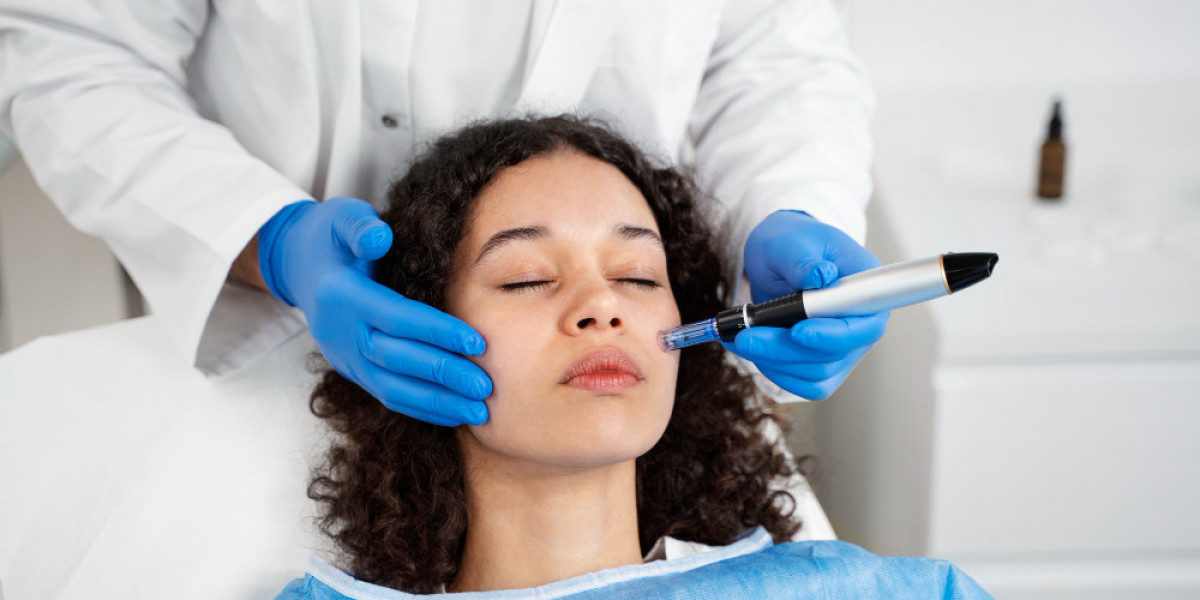
Microneedling is a minimally invasive skin treatment that uses fine sterile needles to create controlled micro-injuries on the skin surface. These tiny punctures stimulate the body’s natural repair process, encouraging collagen and elastin production. Over time, this leads to smoother skin, improved firmness, reduced acne scars, and a more even complexion.
Although the procedure is gentle when performed correctly, it temporarily weakens the skin barrier. This makes aftercare and environmental exposure especially important in hot climates.
How Dubai's Climate Affects Skin Healing
Dubai experiences high temperatures for most of the year, along with intense ultraviolet exposure. These factors can increase skin sensitivity, dehydration, and inflammation if post-procedure care is not managed carefully.
Heat increases blood circulation, which can intensify redness and swelling after microneedling. Sun exposure on newly treated skin may increase the risk of pigmentation issues, especially for individuals prone to melasma or uneven skin tone. Humidity can also encourage bacterial growth if the skin is not kept clean and protected during recovery.
However, climate alone does not make the treatment unsafe. The key lies in timing professional supervision and strict aftercare.
Is Microneedling Safe in Hot Weather
Microneedling is considered safe in warm climates when performed by qualified professionals and followed by appropriate precautions. Dermatology clinics in Dubai are well aware of regional skin challenges and typically adjust protocols accordingly.
Safety depends on several important factors.
Professional expertise and sterile technique
A licensed dermatologist or trained aesthetic practitioner ensures needle depth device quality and hygiene standards are appropriate for your skin type and concern.Controlled indoor environment
Procedures are performed in temperature-controlled clinics, which reduces immediate heat exposure and skin stress.Customized treatment planning
Skin sensitivity, history of pigmentation risk, and lifestyle factors such as outdoor work are evaluated before recommending treatment.Strict aftercare compliance
Following professional aftercare guidance is critical to prevent complications in hot conditions.
When these factors are respected, the treatment remains safe and effective.
Skin Sensitivity and Microneedling
People with sensitive skin often worry about irritation, redness, or delayed healing. Sensitivity does not automatically disqualify someone from microneedling, but it requires careful handling.
Sensitive skin types benefit from lower needle depths, fewer passes, and longer intervals between sessions. Calming serums and fragrance-free products are used to support healing. In some cases, doctors may recommend avoiding treatment during peak summer months if the skin barrier is already compromised due to sun exposure or dehydration.
It is important to understand that sensitivity varies from person to person. A consultation helps determine whether your skin is suitable at a given time.
Aftercare Considerations in the Dubai Climate
Aftercare plays the most important role in ensuring safe results. In hot environments, the skin needs extra protection during the healing phase.
Patients are usually advised to stay indoors for the first twenty-four to forty eight hours. Sun exposure should be avoided, and broad-spectrum sunscreen should be applied regularly once approved by the practitioner. Hydration is essential both internally and topically to prevent dryness and irritation.
Sweating should be minimized in the early recovery period as it can introduce bacteria into open microchannels. Heavy workouts, saunas, and outdoor activities are usually postponed for a few days.
Following these steps significantly reduces the risk of side effects and supports smooth recovery.
Ideal Timing for Treatment
Many people choose to schedule microneedling during cooler months or periods of reduced sun exposure. While this is not mandatory, it can be helpful for individuals with pigmentation concerns or highly sensitive skin.
That said, with professional guidance, microneedling in Dubai can be safely performed year-round as long as lifestyle adjustments and sun protection measures are followed.
Who Should Be More Cautious
Certain individuals should approach treatment with extra care. These include people with active acne infections, eczema, rosacea, or recent sunburn. Those with a history of post inflammatory pigmentation should ensure their dermatologist tailors the treatment plan accordingly.
Open communication with your practitioner ensures risks are minimized and expectations remain realistic.
Conclusion
Microneedling is a scientifically supported treatment that can deliver excellent skin rejuvenation results even in hot climates. Dubai’s weather introduces additional considerations, but it does not make the procedure unsafe. With experienced professionals, proper timing, customized treatment plans, and disciplined follow-up care, patients can safely undergo microneedling and achieve noticeable improvements. Understanding your skin, respecting recovery guidelines, and prioritizing sun protection are the true keys to success.
Frequently Asked Questions
Can microneedling cause pigmentation in hot climates
Pigmentation risk exists if treated skin is exposed to sunlight too soon. Using sunscreen and avoiding sun exposure during healing greatly reduces this risk.
How long does skin take to recover after treatment
Most people experience redness for one to three days. Complete healing of the skin barrier may take about one week.
Is microneedling suitable for sensitive skin
Yes, when performed with adjusted settings and proper care. A consultation is essential to assess suitability.
Can I go outside after microneedling
Short indoor movement is fine, but outdoor exposure should be limited, especially during the first two days.
How often can microneedling be done safely?
Sessions are usually spaced four to six weeks apart, depending on skin condition and treatment goals.