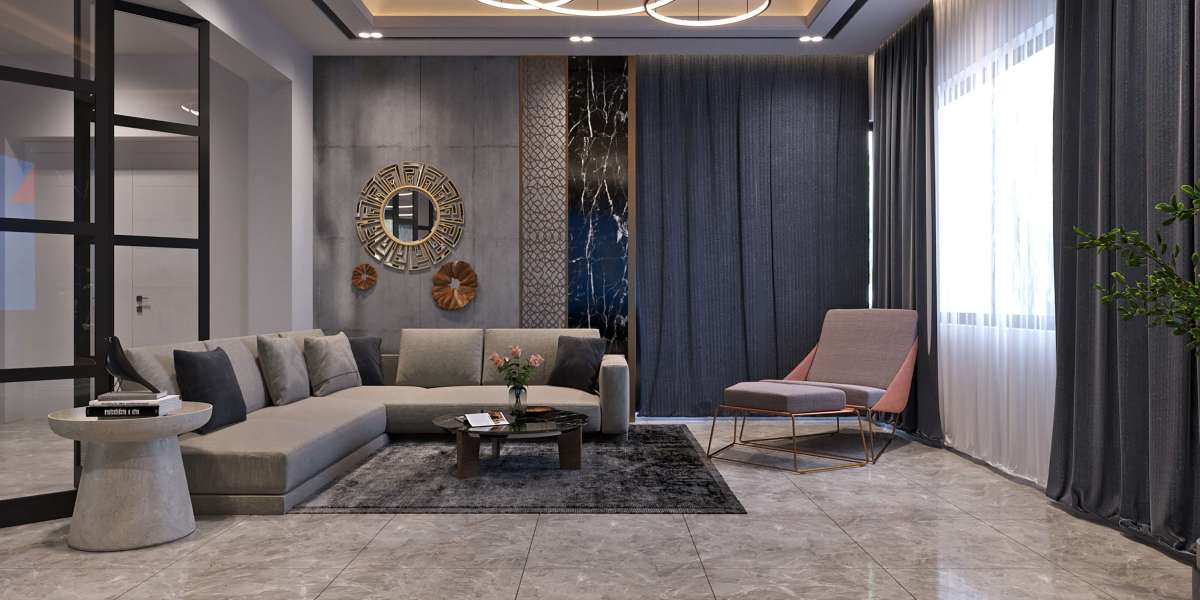

In 2026, tiny houses are no longer just a trend. They have become a lifestyle choice for many people around the world. More families, young professionals, retirees, and even remote workers are choosing small homes over large houses. Why? Because tiny living offers freedom, simplicity, and smart use of space.
A tiny house may be small in size, but it can be big in comfort, creativity, and happiness. In 2026, tiny house trends focus on better design, sustainability, and personalized living.
Living Simple, Living Smart
One of the biggest reasons people choose tiny homes is to simplify life. Large homes often come with high maintenance, higher bills, and unused spaces. Tiny homes encourage people to live with what they truly need.
In 2026, tiny houses are designed with smart layouts. Every corner has a purpose. Foldable furniture, hidden storage, and multi-use spaces make small homes feel organized and spacious.
For example, a dining table may fold into the wall. A sofa may turn into a bed. Stairs may include built-in drawers. These small ideas make a big difference.
Tiny living teaches people to value quality over quantity.
Eco-Friendly Living Is Growing
Sustainability is one of the strongest tiny house trends in 2026. Many homeowners want to reduce their impact on the environment. Tiny homes naturally use fewer materials and require less energy.
Solar panels, rainwater collection systems, and energy-efficient appliances are becoming common features. Many tiny houses use natural materials like wood, bamboo, and recycled products.
Living in a tiny house often means lower electricity bills and reduced waste. It is a step toward a greener and more responsible lifestyle.
People are realizing that a smaller home can mean a bigger contribution to the planet.
Work-From-Home Friendly Designs
Remote work continues to grow in 2026. Tiny homes are adapting to include smart workspaces. Even in a small house, there is space for a compact desk, built-in shelves, and proper lighting.
Designers are creating flexible layouts where living areas can transform into workspaces during the day. Some tiny homes even include loft offices or outdoor work corners.
This trend shows that you don’t need a large home to stay productive. With proper planning, even small spaces can support modern work life.
Outdoor Living Spaces
Tiny house owners in 2026 are focusing more on outdoor living. Since indoor space is limited, outdoor areas become extensions of the home.
Small decks, rooftop seating areas, foldable patios, and garden spaces are popular. Large windows and glass doors help connect the inside with nature.
Many tiny homeowners enjoy placing their homes near lakes, forests, or open land. Being closer to nature improves mental well-being and reduces stress.
Tiny living often encourages people to spend more time outdoors instead of staying inside.
Luxury in Small Spaces
In the past, tiny homes were often seen as basic or simple. But in 2026, affordable luxury is entering the tiny house world.
High-quality finishes, stylish lighting, modern kitchens, and elegant bathrooms are now part of tiny house design. Compact does not mean uncomfortable.
People want small homes that feel warm, stylish, and cozy. Premium countertops, beautiful wooden floors, and smart storage solutions make tiny houses feel luxurious.
Luxury in tiny homes is not about size — it is about thoughtful design.
Mobile and Flexible Living
Tiny houses on wheels remain popular in 2026. Many people love the idea of mobility. A home that can move offers freedom and adventure.
Young couples and digital nomads especially enjoy this lifestyle. They can explore new cities, live close to nature, or relocate easily for work.
At the same time, modular tiny homes are gaining popularity. These homes can expand when needed. Some designs allow extra sections to be added later.
Flexibility is a key part of modern tiny living.
Community-Based Tiny Living
Tiny house communities are growing in many places. These communities offer shared gardens, coworking spaces, and social areas.
Living in a tiny house community helps reduce isolation and build connections. People share resources and support each other.
In 2026, tiny living is not just about smaller homes. It is about stronger communities.
Personalized and Unique Designs
Tiny house owners want their homes to reflect their personality. Custom interiors are becoming more popular.
Some prefer minimalist white interiors. Others choose colorful walls and creative designs. Rustic wooden cabins, modern black-and-white styles, or bohemian décor — tiny houses can express any personality.
Personalization makes a small space feel special and meaningful.
Financial Freedom
One of the biggest reasons for the rise of tiny house trends in 2026 is affordability. Large homes often come with heavy loans and financial pressure.
Tiny homes usually cost much less. This allows homeowners to reduce debt and focus on experiences instead of expenses.
Many people say tiny living gives them more financial freedom and less stress.
Final Thoughts
Tiny House Trends 2026 show that small living is about more than saving space. It is about living intentionally. It is about choosing comfort, sustainability, and simplicity.
A tiny house may have fewer rooms, but it can offer more peace. It encourages smart design, meaningful choices, and closer connections with nature and people.
In 2026, tiny houses prove that happiness does not depend on size. Sometimes, living small can truly mean living big.