
For operators of high-volume commercial car washes, heavy-duty industrial manufacturing plants, and sprawling laundry services, water is more than just a resource—it’s a massive line item on the P&L sheet. It’s also a significant liability.
If you are running one of these facilities today, you are likely caught in a pincer movement. On one flank, municipal water and sewer utility costs are marching steadily upward, squeezing margins tighter every year. On the other flank, environmental regulations—led by strict EPA discharge standards—are becoming increasingly stringent, threatening hefty fines and operational shutdowns for non-compliance.
The old "use it and dump it" linear model of water consumption is rapidly becoming obsolete, unsustainable, and frankly, bad business.
The solution isn't just to use less water; it’s to use the same water, better. Enter the modern commercial water recycling system. Implementing a robust wash water recycling strategy is no longer just an "eco-friendly" gesture; it is a critical infrastructure investment that protects your bottom line and future-proofs your operations against regulatory pressures.
This guide explores the mechanics, the economics, and the operational realities of water reclaim systems, offering an insider’s perspective on how to turn a major overhead cost into a manageable asset.
The Irrefutable Business Case for Commercial Water Recycling
Why should a business disrupt its current operations to install a commercial water recycling system? The answer lies squarely in the economics of water management.
In many industrial and commercial sectors, you pay for water twice: once when it enters your facility through the meter, and a second time—often at a much higher rate—when it leaves down the sewer drain. Sewer fees are frequently tied to water usage volume, meaning every gallon you recycle saves you money on both ends of the pipe.
Furthermore, municipal treatment facilities are under immense pressure. They are aggressively cracking down on industrial discharges loaded with heavy metals, oils, grease, and complex chemicals. If your effluent exceeds local limits, you aren't just facing surcharges; you are facing potential EPA violations.
A well-designed water recycling system solves both problems simultaneously. It treats the water to a quality sufficient for reuse in your wash processes, drastically cutting fresh water demand. Simultaneously, by keeping that water in a closed loop (or a significantly reduced discharge loop), you minimize your exposure to discharge regulations.
Consider this statistic: Depending on the application and the efficiency of the system installed, facilities can realize significant savings. Industry data indicates that an effective wash water recycling system can reduce fresh water consumption by 60% to as much as 90%, leading to a dramatic reduction in utility bills that often allows the equipment to pay for itself in 18 to 36 months.
Beyond the immediate ROI, there is the aspect of business continuity. In areas prone to drought or water scarcity, municipalities may impose rationing on industrial users. A recycling system ensures your car wash or factory keeps running even when the tap is throttled down.
Deconstructing the Process: How Water Reclaim Systems Work
While the specific technology varies depending on what contaminants you are fighting, most effective commercial water recycling setups follow a similar multi-stage logic. It isn't magic; it's engineering tailored to filtration and separation.
The goal isn't necessarily to make the water potable (drinkable). The goal is to make it "process-ready"—clean enough to wash a car without leaving spots, rinse machined parts without leaving residue, or clean industrial linens effectively.
Here is a generalized breakdown of the stages in a typical wash water recycling system:
Stage 1: Collection and Solids Separation (The "Heavy Lifting")
The process begins in the wash bay trenches or collection pits. The first priority is removing the heavy solids—the mud at a car wash, metal shavings in manufacturing, or heavy grit in laundry. This is sometimes referred to in the industry as "soil water recycling" or solids management. This stage typically uses gravity. Water flows into large settling tanks or interceptors. Heavy particulate matter sinks to the bottom as sludge, which must be periodically pumped out.
Stage 2: Oil/Water Separation (The Critical Divide)
For car washes and industrial manufacturers, this is arguably the most critical stage. Wash water is often heavily contaminated with free-floating oils, grease, waxes, and hydrocarbons. If these aren't removed, they will foul downstream filters and ruin the quality of the reclaimed water. An oil water separator is essential here. Using coalescing plates or other technologies, these units encourage oil droplets to merge and rise to the surface, where they can be skimmed off and stored for proper waste oil disposal. The water, now significantly clearer of oil, passes underneath to the next stage.
Stage 3: Filtration and Treatment (The Polish)
Once the heavy muck and floating oils are gone, the water still contains fine suspended solids, dissolved chemicals, and bacteria that cause odors.
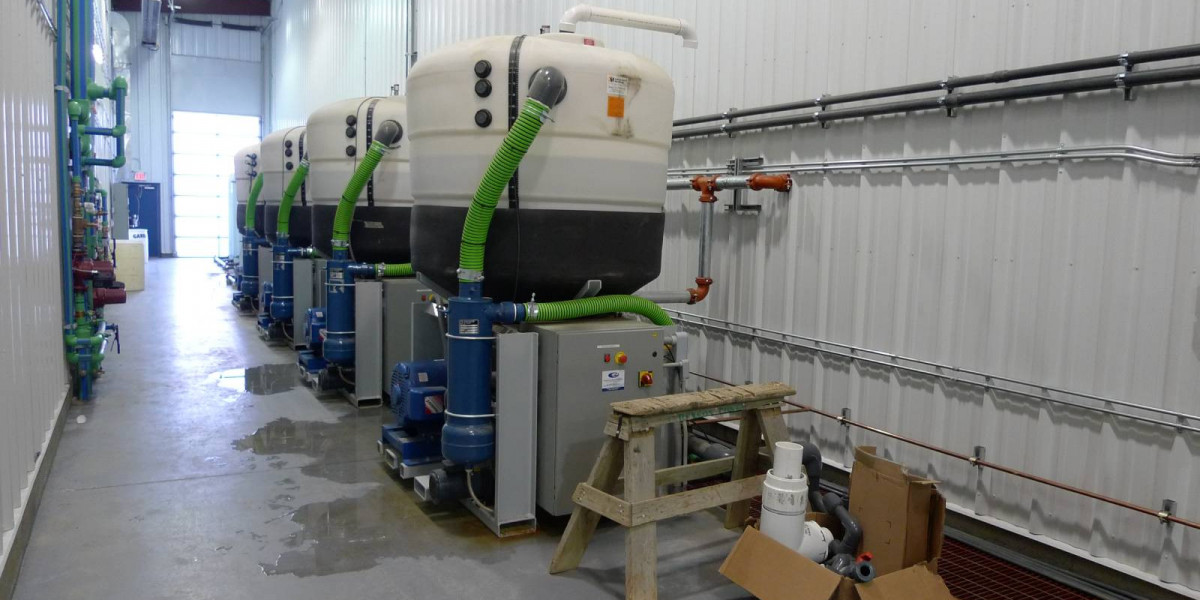
Mechanical Filtration: Media filters (sand, carbon, or crushed glass) or cyclonic separators remove finer particulates down to a specific micron level.
Chemical/Biological Treatment: To prevent the dreaded "rotten egg" smell common in stagnant reclaim water, systems use aeration (injecting oxygen to kill anaerobic bacteria) or ozone injection (a powerful sanitizer that kills bacteria and helps break down residual chemicals and dyes).
Stage 4: Storage and Repressurization
The treated water is moved to holding tanks, ready to be pumped back into the wash process. Smart systems blend this reclaimed water with fresh water for specific applications, such as a final rinse, ensuring optimal quality where it matters most.
Tailoring the Tech: Industry-Specific Challenges
A generic "off-the-shelf" system rarely works for high-volume commercial applications. A commercial water recycling system must be engineered for the specific contaminant load of your industry.
Commercial Car Wash Operators
The enemy here is mud, road grime, salt, waxes, and surfactants (soaps). A car wash system needs massive solids settling capacity to handle the weekend rush after a snowstorm. Furthermore, the filtration must be fine enough to prevent abrasive particles from being sprayed back onto a customer’s clear coat. Water reclaim systems here often focus heavily on aeration and ozonation to keep the water smelling fresh, as customer perception is everything.
Industrial Manufacturing Facilities
Here, the water is often utilized for parts washing, deburring, or coolant rinse-offs. The contaminants are challenging: emulsified oils, heavy metals (like lead or zinc), and industrial solvents. An oil water separator is non-negotiable, but you may also require more advanced chemical coagulation or flocculation to drop out dissolved metals to meet strict EPA guidelines if any water is eventually discharged. The focus is on protecting expensive machinery from fouling with dirty reuse water.
Large-Scale Laundry Services
Industrial laundries deal with massive volumes of water loaded with lint, soil, heavy detergents, and often high temperatures. Soil water recycling in laundries implies heavy lint filtration screens initially. The unique opportunity here is heat recovery. Recycling systems can capture the heat from hot wastewater to pre-heat incoming fresh water, providing a double shot of energy and water savings.
Key Considerations Before Investing in a System
Adopting commercial water recycling is a significant operational shift. To ensure a successful implementation that delivers the promised ROI, you need a strategic approach.
1. Conduct a Thorough Water Audit Before buying equipment, you need data. How much water do you actually use per wash cycle or per shift? Get samples of your current wastewater analyzed by a lab. Knowing exactly what contaminants are in your water (and at what concentrations) dictates what kind of filtration and separation technology you need.
2. Define Your Reclaim Goals Are you aiming for "zero liquid discharge" (recycling 100% of your water)? Or is a 70% reclaim rate sufficient to lower your bills significantly while simplifying maintenance? Zero discharge is expensive and complex; a partial reclaim system is often the sweet spot for maximum ROI.
3. Maintenance is Not Optional The biggest reason water recycling systems fail isn't bad technology; it's neglected maintenance. These systems are garbage trucks for your water. Sludge pits need pumping, oil skimmers need emptying, and filter media needs backwashing or replacing. When calculating ROI, you must factor in the labor costs of regular maintenance. If you neglect it, the system will clog, the water will stink, and you’ll be back on expensive city water.
4. Compliance and Permitting Even if you plan to recycle, local authorities need to know. Installing a system may require permits. Furthermore, if you still plan to discharge any wastewater to the sewer, your local utility needs to certify that your pre-treatment (like your oil water separator) meets their standards. Work with a vendor who understands local regulations, not just one trying to sell hardware.
Conclusion: The New Standard of Operation
The days of cheap, endless water supplies are behind us. For water-intensive commercial and industrial operations, clinging to the old model is a financial risk.
Implementing a WASH WATER RECYCLING SYSTEM is no longer an experimental venture; it is a mature, proven industrial strategy. By integrating technologies like advanced filtration and efficient oil water separators, businesses can insulate themselves from rising utility costs and the watchful eye of regulators like the EPA.
While the initial investment requires careful planning and capital, the long-term payoff—in reduced overhead, ensured compliance, and operational resilience—makes commercial water recycling one of the smartest infrastructure upgrades a forward-thinking facility can make today. Don't just watch your profits go down the drain; reclaim them.