
Waiting for sexually transmitted infection (STI) test results can feel stressful, especially when you’re unsure how long the process will take. If you’ve recently been screened or are planning to schedule an appointment, one of the most common questions is: how long do trichomoniasis test results take? Understanding the timeline, what influences it, and what happens after you receive your results can ease anxiety and help you make informed decisions about your sexual health.
First, What Is a Trichomoniasis Test Detecting?
A Trichomoniasis Test in Dubai is designed to detect infection caused by the parasite Trichomonas vaginalis. This sexually transmitted disease spreads primarily through unprotected vaginal intercourse and can affect both men and women. While some individuals experience symptoms such as unusual vaginal discharge, genital irritation, or burning during urination, many cases are asymptomatic.
Because symptoms are often mild or absent, laboratory testing is the only reliable way to confirm infection. Modern diagnostic methods focus on detecting the parasite’s genetic material or specific proteins to ensure high accuracy.
Average Timeframe for Trichomoniasis Test Results:
The time it takes to receive results depends largely on the type of diagnostic test used and where you get tested. In general, most people receive their results within one to three days. However, the timeframe can vary based on clinic resources, laboratory processing speed, and whether rapid testing is available.
Some sexual health clinics offer same-day results using rapid antigen tests. These tests can provide answers within 30 minutes to a few hours. However, not all facilities use rapid testing, and many rely on laboratory-based methods that require additional processing time.
If your sample is sent to an external laboratory, results may take slightly longer, particularly during busy periods or in areas with limited lab access.
How the Type of Test Affects Result Timing?
The most accurate and commonly used method today is nucleic acid amplification testing (NAAT). NAAT detects the genetic material of Trichomonas vaginalis and is considered the gold standard for STI screening due to its high sensitivity and specificity.
Because NAAT involves advanced laboratory processing, results are typically available within 24 to 72 hours. While it may not be instant, it offers greater reliability than older diagnostic methods such as wet mount microscopy.
Rapid antigen tests, on the other hand, detect proteins from the parasite and can deliver results much faster. However, they may be slightly less sensitive than NAAT, especially in asymptomatic individuals.
Does Testing Differ for Men and Women?
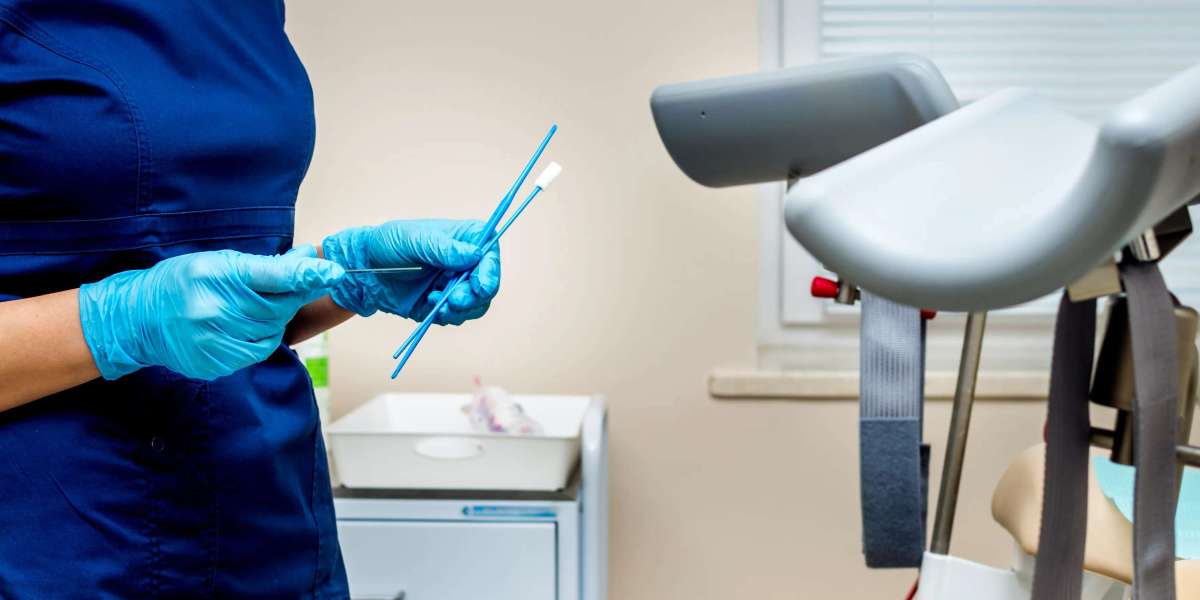
The testing timeline is generally similar for both men and women, though sample collection methods differ. Women typically provide a vaginal swab sample, either collected by a healthcare provider during a pelvic exam or self-collected under supervision. Men usually provide a urine sample for analysis.
Regardless of gender, the processing time depends more on the laboratory method used than on the type of sample collected. Both vaginal swabs and urine samples analyzed using NAAT typically follow the same reporting timeframe.
Factors That May Delay Results:
While most trichomoniasis test results arrive quickly, certain factors can extend the waiting period. These may include:
Samples sent to off-site laboratories
High patient volume at clinics
Public holidays or weekends
Incomplete paperwork or labeling errors
Additional STI screening ordered alongside the trichomoniasis test
If you’re undergoing comprehensive STD testing for infections such as chlamydia, gonorrhea, or HIV at the same time, your provider may wait until all results are ready before contacting you.
Can You Speed Up the Process?
In some cases, you can request rapid testing if it’s available at your clinic. Not all facilities offer same-day results, so it’s helpful to ask when scheduling your appointment.
Another option is visiting specialized sexual health clinics that prioritize quick turnaround times. However, accuracy should always be prioritized over speed. NAAT-based testing may take slightly longer but provides more reliable results, particularly for asymptomatic infections.
What to Do While Waiting for Results?
The waiting period can cause anxiety, especially if you are experiencing symptoms such as vaginal discharge, genital itching, or urinary discomfort. During this time, it’s generally recommended to avoid sexual activity until your results are confirmed.
If symptoms are severe, your healthcare provider may begin presumptive treatment while awaiting laboratory confirmation. However, this approach depends on clinical judgment and individual risk factors.
Open communication with your sexual partner during this period is also important, especially if there is a possibility of exposure.
Understanding Your Results When They Arrive:
Once your results are ready, you’ll receive either a negative or positive result.
A negative result means that no evidence of Trichomonas vaginalis was detected at the time of testing. If symptoms persist despite a negative result, your provider may evaluate for other conditions such as bacterial vaginosis or other sexually transmitted infections.
A positive result confirms infection. The good news is that trichomoniasis is curable with oral antibiotics, typically metronidazole or tinidazole. Treatment is usually short, often involving a single dose or a brief course of medication.
After a Positive Result: What Happens Next?
If you test positive, your provider will discuss treatment options and precautions. You will likely be advised to:
Take the full course of prescribed antibiotics
Avoid alcohol while on certain medications
Abstain from sexual activity until treatment is completed
Inform recent sexual partners so they can receive testing and treatment
Partner treatment is essential to prevent reinfection. Many healthcare providers also recommend retesting approximately three months after treatment, particularly for women, due to the risk of recurrence.
Are At-Home Test Results Faster or Slower?
At-home STD test kits are increasingly popular for privacy and convenience. These kits require you to collect a urine sample (for men) or vaginal swab (for women) and mail it to a certified laboratory.
The total time for results depends on shipping and processing. Typically, you can expect results within three to five days after mailing your sample. While this may take slightly longer than in-clinic rapid testing, at-home kits using NAAT technology provide comparable accuracy.
If you receive a positive result through an at-home test, you should consult a healthcare provider promptly for prescription treatment and further guidance.
Why Timely Results Matter?
Prompt results allow for early treatment, which reduces the risk of complications such as pelvic inflammatory disease, prostate inflammation, infertility, and increased susceptibility to HIV. Early detection also helps prevent transmission to sexual partners.
Because Trichomoniasis Test is often asymptomatic, timely laboratory confirmation ensures that infections are not silently spreading. Routine sexual health screening remains one of the most effective strategies for maintaining reproductive health and preventing long-term complications.
Final Thoughts: Patience with a Purpose
In most cases, trichomoniasis test results take between one and three days, though rapid options may provide answers sooner. While waiting can feel stressful, modern diagnostic testing offers high accuracy and reliable detection.
The short waiting period ultimately serves a larger purpose: ensuring precise diagnosis and effective treatment. By seeking timely STI screening, following medical advice, and practicing safer sex, you take an active role in protecting both your health and your partner’s well-being.
Understanding the process—and the timeline—can transform anxiety into confidence, making sexual health care a proactive and empowering experience.