
At-home STD screening has become a popular way to take charge of sexual health, offering privacy, convenience, and medical reliability. Once you receive your results, understanding what they actually mean is essential for taking the next steps in prevention, treatment, and overall well-being. Interpreting home test results correctly can reduce anxiety, guide medical decisions, and encourage responsible sexual health practices.
How At-Home STD Screening Works?
Before diving into your results, it’s important to understand the testing process. At-home STD screening in Dubai kits allow you to collect samples, such as urine, finger-prick blood, or oral, vaginal, or rectal swabs, and send them to CLIA-certified laboratories. The labs use advanced diagnostic methods, including nucleic acid amplification for bacterial infections and antibody tests for viral infections, ensuring high accuracy. Results are delivered securely online, often within a few days.
Negative Results: What They Indicate
A negative result means that the laboratory did not detect the infection tested for at the time of the screening. This is reassuring, but it does not necessarily guarantee that you are completely free of all infections. Many STDs have a window period—the time between exposure and when the infection can be reliably detected. Testing too early after exposure may result in a false negative, so following the recommended testing intervals is essential.
Negative results are also an opportunity to continue preventive practices. Even if you test negative, consistent use of protection, routine testing, and communication with partners are important to maintain sexual health.
Positive Results: Understanding the Implications
A positive result indicates that the test detected the presence of a specific sexually transmitted infection. While this can be alarming, early detection is a critical step in protecting your health and preventing transmission to others.
For bacterial infections like chlamydia, gonorrhea, or syphilis, effective treatments such as antibiotics are available. Viral infections, including HIV, herpes, and hepatitis, cannot be cured but can be managed with medical care to reduce symptoms and transmission risk. At-home testing providers often include access to telehealth consultations, where licensed professionals can explain your results, recommend treatment, and provide guidance on notifying partners.
Understanding Inconclusive or Invalid Results:
Occasionally, at-home STD tests may return inconclusive or invalid results. This can happen due to improper sample collection, contamination, or testing too early within the window period. If this occurs, the laboratory will usually advise retesting to ensure accurate results. Following the collection instructions closely and adhering to recommended timelines helps reduce the chance of inconclusive outcomes.
Interpreting Multi-Infection Panels:
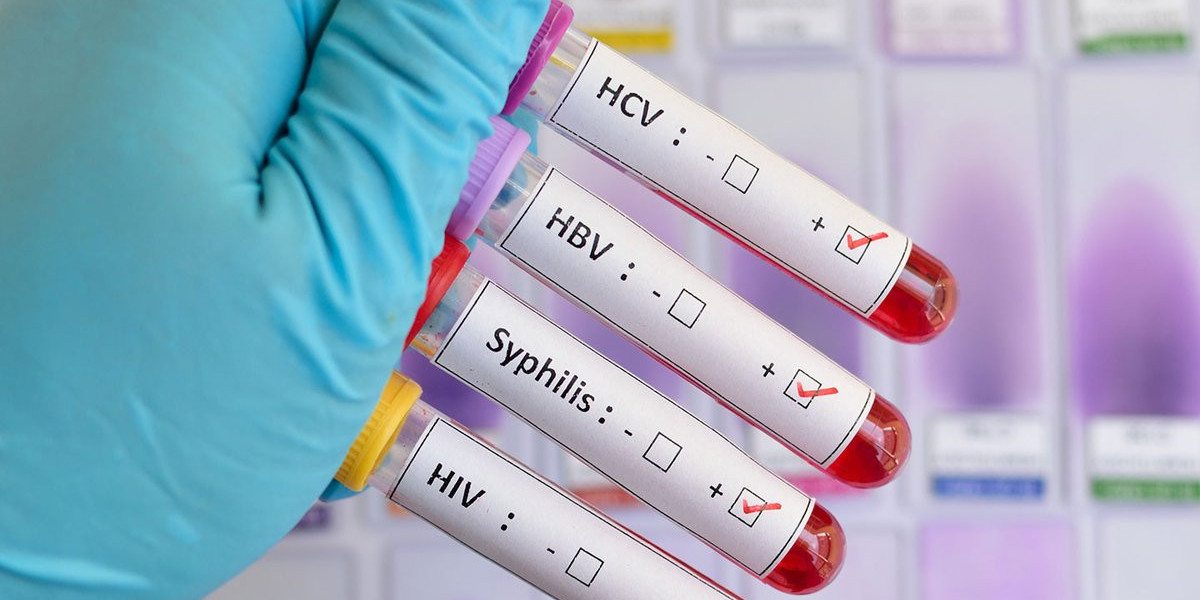
Many at-home STD tests provide multi-infection panels, testing for several infections at once. Each infection is analyzed individually, and results are reported separately. It is possible to receive a mix of negative and positive results across different infections. Understanding each result independently is important for deciding on treatment, follow-up testing, and preventive measures.
Next Steps After Receiving Results:
Regardless of your results, taking appropriate action is key:
Negative results: Continue preventive measures and routine testing. Retest if you have new sexual partners or potential exposure.
Positive results: Seek medical advice, start recommended treatment, and inform partners if necessary. Early intervention can prevent complications and reduce transmission.
Inconclusive results: Follow the lab’s guidance and retest as recommended to confirm your status.
Using Results to Guide Sexual Health Decisions:
Your at-home STD test results are a valuable tool for informed decision-making. Negative results provide peace of mind and reinforce the importance of ongoing preventive care. Positive results highlight the need for timely medical intervention and encourage open communication with partners. Inconclusive results emphasize the importance of proper sample collection and adherence to testing timelines.
The Role of Telehealth in Understanding Results:
Many At-home STD screening services offer telehealth support to help interpret results. Licensed healthcare providers can explain what your results mean, discuss treatment options, and provide guidance on next steps. Telehealth adds an extra layer of support and ensures that testing translates into actionable care.
Building a Routine Around Testing:
At-home STD screening results are most effective when used as part of a consistent preventive routine. Regular testing, partner communication, and protective practices work together to maintain sexual health. Understanding your results helps you stay proactive and reduces the risk of undiagnosed infections.
Conclusion:
Interpreting your at-home STD screening results is an essential part of responsible sexual health management. Negative, positive, and inconclusive results all carry important implications for preventive care, treatment, and communication with partners. By understanding what your results mean and taking appropriate action, you can protect your health, reduce transmission risks, and make informed decisions about your sexual wellness.