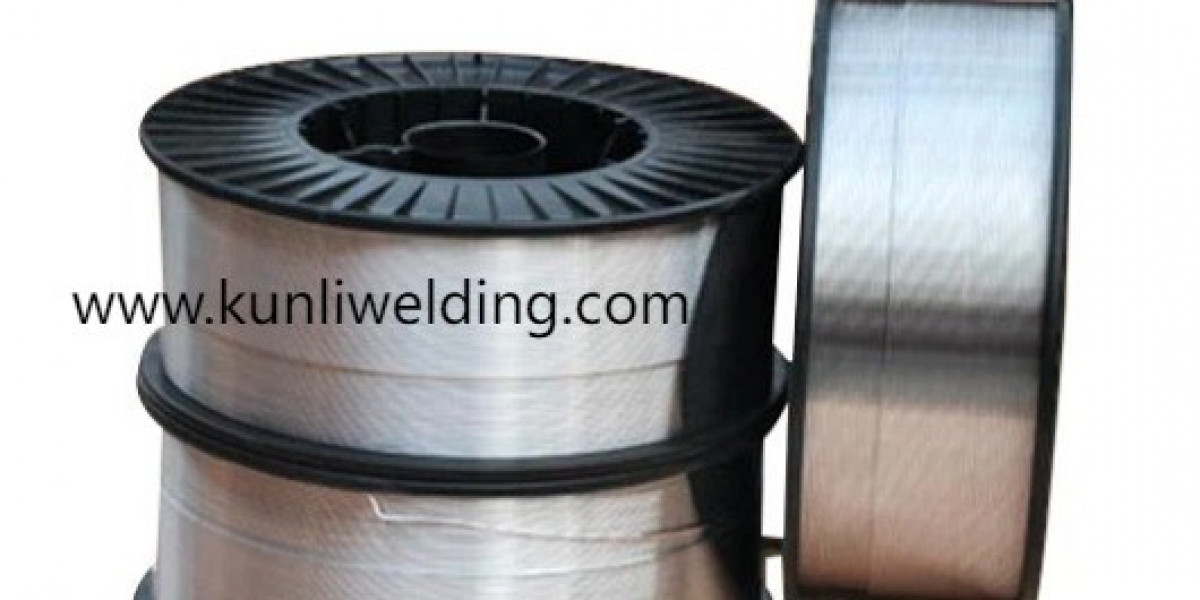

Joining different aluminum alloys presents unique metallurgical challenges that demand careful consideration of filler material selection. When base metals have varying compositions, the weld pool becomes a mixture of elements that must solidify into a sound joint without cracking or other defects. Selecting appropriate Aluminum Alloy Welding Wire becomes essential for achieving joints that meet strength requirements while avoiding compatibility problems. Understanding how different alloy families interact during welding helps fabricators make informed choices that prevent costly failures.
The first consideration involves identifying the base material compositions being joined. Heat-treatable alloys behave differently than non-heat-treatable varieties, and their welding characteristics reflect these fundamental differences. Heat-treatable alloys derive strength from precipitation hardening, a process disrupted by welding heat. The weld zone and adjacent areas lose their tempered condition, creating soft zones that may become the weakest points in the assembly. Non-heat-treatable alloys rely on work hardening and solid solution strengthening, maintaining more consistent properties across welded joints.
Dilution calculations help predict the final weld composition when dissimilar alloys mix in the molten pool. The filler wire contributes material that blends with melted base metal, creating a composition somewhere between the two starting materials. If the resulting mixture falls within a composition range prone to hot cracking, defects will likely occur regardless of technique. Selecting filler wire that shifts the final composition away from problematic ranges prevents cracking even when joining incompatible base materials.
Magnesium and silicon content variations between base metals influence solidification behavior and crack susceptibility. Alloys with significant differences in these elements require filler wire that compensates for the mismatch. Some filler compositions contain higher magnesium levels that improve strength and reduce hot cracking tendency when joining materials with lower magnesium content. Others incorporate silicon to improve fluidity and reduce the freezing range, minimizing the time during which the material remains vulnerable to cracking.
Zinc-containing alloys present particular challenges when welded to other aluminum families. The high vapor pressure of zinc causes fume generation and can lead to porosity if not properly managed. When these alloys must be joined to zinc-free materials, filler selection becomes critical. Using wire with compositions that tolerate some zinc dilution prevents cracking while managing porosity risks. Adjusting welding parameters to minimize base metal melting reduces dilution and limits zinc transfer into the weld pool.
Copper-bearing alloys require careful filler selection when joined to materials without copper. The presence of copper affects solidification characteristics and can create brittle phases if concentration becomes too high in localized areas. Filler wire with controlled copper levels helps achieve acceptable joint properties when welding these dissimilar combinations. Understanding the eutectic compositions and phase diagrams relevant to the materials being joined informs appropriate filler choices.
Pre-weld cleaning becomes even more important when joining dissimilar alloys. Surface oxides and contaminants affect how the filler wire wets the base material, influencing fusion quality and defect formation. Different alloys form oxide layers with varying characteristics, and these must be removed to ensure proper bonding. Mechanical or chemical cleaning methods eliminate barriers to good fusion, allowing the Aluminum Alloy Welding Wire to properly integrate with both base materials.
Heat input management affects the degree of base metal melting and resulting dilution ratios. Lower heat inputs minimize dilution, keeping the weld composition closer to the filler wire chemistry. This approach works well when the filler composition is specifically chosen to provide desired properties. Higher heat inputs increase dilution, which may be beneficial when the mixed composition offers advantages over the pure filler material. Balancing penetration requirements against dilution effects requires adjusting voltage, amperage, and travel speed appropriately.
Joint design influences how dissimilar materials interact during welding. Positioning the materials so that the weaker or more crack-susceptible alloy experiences less melting can improve joint integrity. Asymmetric groove preparations allow preferential melting of the more weldable material while still achieving adequate fusion on both sides. These geometric considerations work in conjunction with filler selection to optimize results.
Multi-pass welding techniques offer opportunities to control composition and properties in dissimilar material joints. The first pass creates a butter layer on one or both base materials, essentially pre-placing filler material that subsequent passes will remelt. This approach reduces direct mixing of the two base materials, instead creating joints where each base metal joins primarily with the filler composition. The technique requires additional time but can enable successful joining of combinations that would otherwise crack.
Post-weld heat treatment options are limited when joining dissimilar alloys because different materials respond differently to thermal cycles. Heat-treatable alloys may benefit from solution treatment and aging, while non-heat-treatable materials gain nothing from these processes. If post-weld treatment is necessary, filler wire selection must consider how the weld metal will respond to the thermal cycle. Some filler compositions provide acceptable properties in the as-welded condition, eliminating the need for heat treatment.
Mechanical testing verifies that the selected filler wire produces acceptable joint properties for the intended application. Tensile tests reveal strength and ductility, while bend tests assess soundness and freedom from defects. Fracture typically occurs at the weakest location, which may be the weld metal, the heat-affected zone, or the base material depending on the alloy combination and filler selection. Testing results guide adjustments to filler choice or welding parameters when initial attempts produce inadequate properties.
Corrosion galvanic considerations arise when dissimilar alloys are joined, as different compositions have different electrochemical potentials. While the weld itself may be sound, the joint area can become susceptible to accelerated corrosion in certain environments. Aluminum Alloy Welding Wire selection should consider the electrochemical series and choose compositions that minimize potential differences between the weld and surrounding materials.
Experience with specific alloy combinations builds knowledge about which filler materials work reliably for particular applications. Manufacturers who specialize in dissimilar material welding develop expertise that informs their filler wire recommendations. Consulting with knowledgeable suppliers provides access to this accumulated wisdom, shortening the learning curve for challenging joining applications. For technical guidance on selecting appropriate filler materials for complex dissimilar alloy welding applications, visit https://www.kunliwelding.com/ to connect with specialists experienced in matching wire compositions to challenging metallurgical requirements.