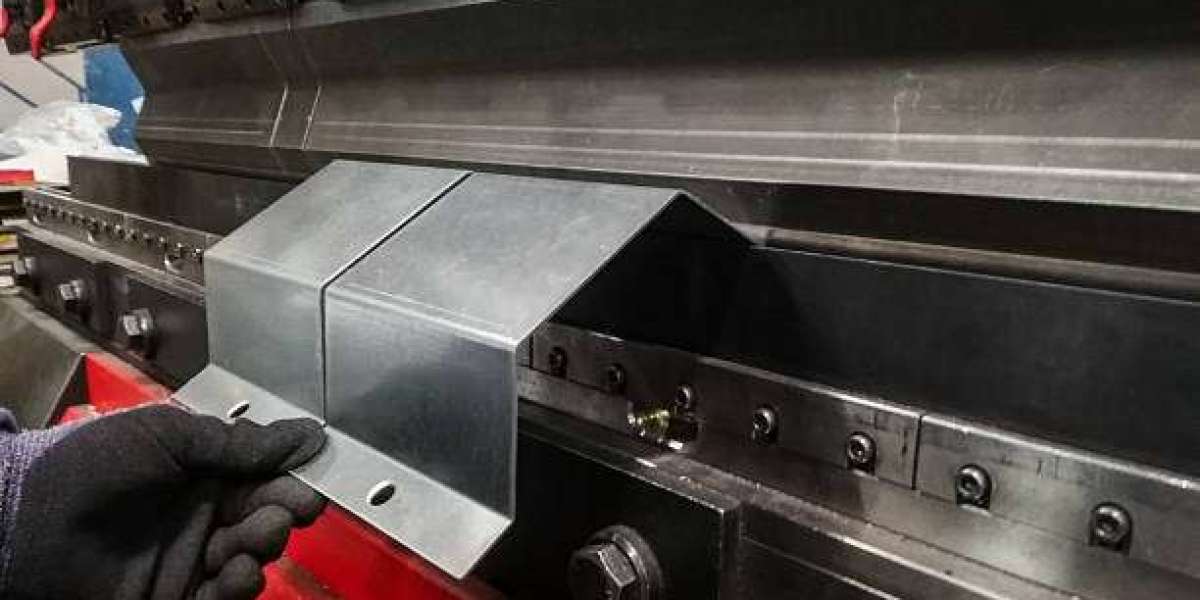

In the world of mechanical engineering and manufacturing, the precision with which materials are shaped plays a critical role in the overall performance and reliability of the finished product. One such technique that is central to achieving high-quality, consistent results in the production of metal components is precision metal bending. This process is a cornerstone of modern manufacturing, especially in industries such as aerospace, automotive, electronics, and construction, where precision and consistency are paramount.
Precision metal bending is an advanced method used to shape metal into precise angles and curves, ensuring that each component meets stringent tolerances and specifications. By using advanced tools and techniques, manufacturers can produce metal parts that fit seamlessly into larger assemblies, enhancing product performance, reducing defects, and ultimately improving the end-user experience. In this article, we will explore how precision metal bending improves product consistency and performance, with a focus on its applications in various industries.
What is Precision Metal Bending?
Precision metal bending is a manufacturing process in which metal is bent or shaped to a specific angle or radius with high accuracy. Unlike traditional bending methods, which may rely on rough estimates and imprecise machinery, precision metal bending involves the use of advanced machinery and tools that allow for precise control over the bend’s angle, depth, and position. The process ensures that metal parts are produced with minimal deviation from their intended design specifications, resulting in parts that are consistent, accurate, and high-performing.
Precision metal bending can be applied to various types of metals, including aluminum, stainless steel, mild steel, and copper. The process is used to create parts with a variety of geometries, from simple bends to complex shapes with tight radii. Depending on the specific requirements of the design, manufacturers may use different types of bending machines, including press brakes, roll bending machines, and rotary machines, each offering distinct advantages for different applications.
How Precision Metal Bending Improves Product Consistency
Tighter Tolerances and Greater Accuracy
One of the key benefits of precision metal bending is its ability to achieve tighter tolerances. Tolerance refers to the permissible limits of variation in a part’s dimensions. In industries such as aerospace, automotive, and medical device manufacturing, parts must meet very specific dimensions to function properly and fit within larger assemblies. If the parts are not consistently shaped, they may not fit together as intended, leading to performance issues, assembly problems, or even product failure.
Precision metal bending allows for tight control over the bending process, ensuring that each part meets the required specifications within a narrow margin of error. Advanced machinery, such as CNC (Computer Numerical Control) press brakes, allows manufacturers to program the exact bend angles and depths needed for each part, minimizing the risk of human error and ensuring that each part is identical to the next. This consistency is essential for applications where precise dimensions are crucial to the overall performance and safety of the product.
Minimization of Deformation and Distortion
When metal is bent, it undergoes a transformation in its structure, which can sometimes lead to unwanted deformation or distortion. For example, excessive bending force can cause the metal to stretch, leading to issues like thinning at the bend or the formation of cracks. These defects can affect the strength, durability, and appearance of the final product.
Precision metal bending helps minimize the risk of deformation by carefully controlling the bending force and process parameters. With advanced machines, operators can adjust factors like the speed of bending, the pressure applied, and the type of tooling used to ensure that the metal is bent evenly and within the desired specifications. By reducing the chances of deformation, precision metal bending ensures that each part maintains its structural integrity, even when subjected to high-stress conditions.
Consistency Across Large Volumes
In industries like automotive manufacturing or consumer products design, parts often need to be produced in large volumes. Achieving consistency across thousands or even millions of units is crucial for maintaining product quality and ensuring that the end product performs as expected. Traditional metal bending methods may introduce inconsistencies, especially when working with a variety of materials or when bending large quantities of parts by hand.
Precision metal bending, especially when integrated with automated machinery like CNC press brakes, offers unparalleled consistency in high-volume production runs. Once a design is programmed into the machine, it can repeat the bending process with the same level of precision for each part, eliminating the need for constant adjustments or manual intervention. This ensures that every part is identical, helping to reduce waste, lower production costs, and maintain a high standard of quality.
Better Material Utilization
One of the often-overlooked benefits of precision metal bending is its ability to optimize material usage. In traditional metal bending methods, there may be significant material waste due to inaccuracies in bending angles or poorly planned cuts. This waste not only increases the overall cost of production but also leads to a larger environmental footprint.
With precision metal bending, manufacturers can minimize material waste by ensuring that each part is bent to the exact specifications, reducing the need for rework or scrap. In some cases, advanced bending techniques also allow for the use of thinner or lighter materials, which can further reduce costs without sacrificing strength or performance. By improving material utilization, precision metal bending contributes to a more sustainable and cost-effective manufacturing process.
How Precision Metal Bending Improves Product Performance
Enhanced Strength and Durability
When metal is bent, the bending process can affect its strength and durability. If the bending process is not precise, the metal may become weakened at the bend, resulting in parts that are more prone to failure under stress. For example, in industries like aerospace and automotive, metal components must withstand extreme pressure and forces without failing.
Precision metal bending ensures that the material is bent evenly and consistently, maintaining the integrity of the metal throughout the process. By minimizing the risk of deformation or excessive thinning, precision bending helps ensure that the final product retains its strength and durability. This is particularly important in critical applications such as structural components, where failure due to weak bends can have serious consequences.
Improved Functionality
In many cases, the performance of a product depends on how well its individual components fit together and function as part of a larger system. For example, in automotive manufacturing, the body panels must fit together with a high degree of precision to ensure the vehicle’s aerodynamics, structural integrity, and safety. If the parts are not consistently bent to the correct dimensions, they may not fit together properly, leading to performance issues.
Precision metal bending helps improve functionality by ensuring that each component is made to exact specifications. With precise bends, parts can fit together seamlessly, ensuring that they perform as intended within the larger assembly. Whether it’s a metal bracket, a structural beam, or an intricate consumer product part, precision bending contributes to the overall functionality and reliability of the product.
Better Aesthetics and Surface Finish
In addition to improving strength and functionality, precision metal bending also contributes to the aesthetic quality of the product. When metal is bent with precision, the resulting curves are smooth and consistent, leading to a high-quality surface finish. This is particularly important in industries like consumer products design, where the appearance of the final product is just as important as its performance.
Poorly bent metal can result in visible defects, such as wrinkles, uneven curves, or sharp edges, which can detract from the overall look of the product. By using precision metal bending techniques, manufacturers can ensure that the final product has an attractive, professional appearance with clean, smooth bends. This is essential in consumer-facing products, such as electronics, appliances, and furniture, where the product’s visual appeal can have a significant impact on consumer perception and sales.
Increased Safety
In industries like aerospace, automotive, and heavy machinery manufacturing, safety is a critical consideration. Metal components that are bent inaccurately or unevenly may fail under stress, leading to potentially dangerous situations. Precision metal bending ensures that parts are bent to the correct specifications, reducing the risk of failure and enhancing the overall safety of the product.
For example, in automotive manufacturing, precision bending ensures that the structural components of the vehicle are able to absorb impact effectively during a collision. In aerospace, precision bending ensures that aircraft parts are structurally sound, capable of withstanding the extreme forces they encounter during flight. By improving the consistency and performance of metal components, precision metal bending directly contributes to the safety and reliability of the end product.
Applications of Precision Metal Bending
Precision metal bending is used in a wide range of industries and applications, including:
Aerospace: Creating lightweight, high-strength components for aircraft, including wing spars, fuselage frames, and brackets.
Automotive: Bending parts like exhaust systems, body panels, and structural components with high precision to ensure proper fit and function.
Construction: Fabricating curved metal beams, columns, and cladding for buildings and infrastructure projects.
Consumer Electronics: Manufacturing bent metal parts for electronic enclosures, brackets, and frames used in devices like smartphones, laptops, and televisions.
Medical Devices: Producing precision bent metal components used in medical equipment and instruments.
Conclusion
Precision metal bending plays a crucial role in improving the consistency, performance, and quality of metal products across various industries. By allowing manufacturers to achieve tighter tolerances, minimize distortion, and enhance the strength and functionality of components, this process ensures that parts are produced to exact specifications, resulting in higher-quality products. From the automotive sector to consumer products design, precision metal bending is essential in creating components that not only meet but exceed the expectations of customers and end-users. The process offers significant benefits in terms of cost savings, material utilization, and sustainability, all while improving the safety and durability of the finished product. Whether for structural components or intricate designs, precision metal bending remains a key technology in the world of manufacturing.