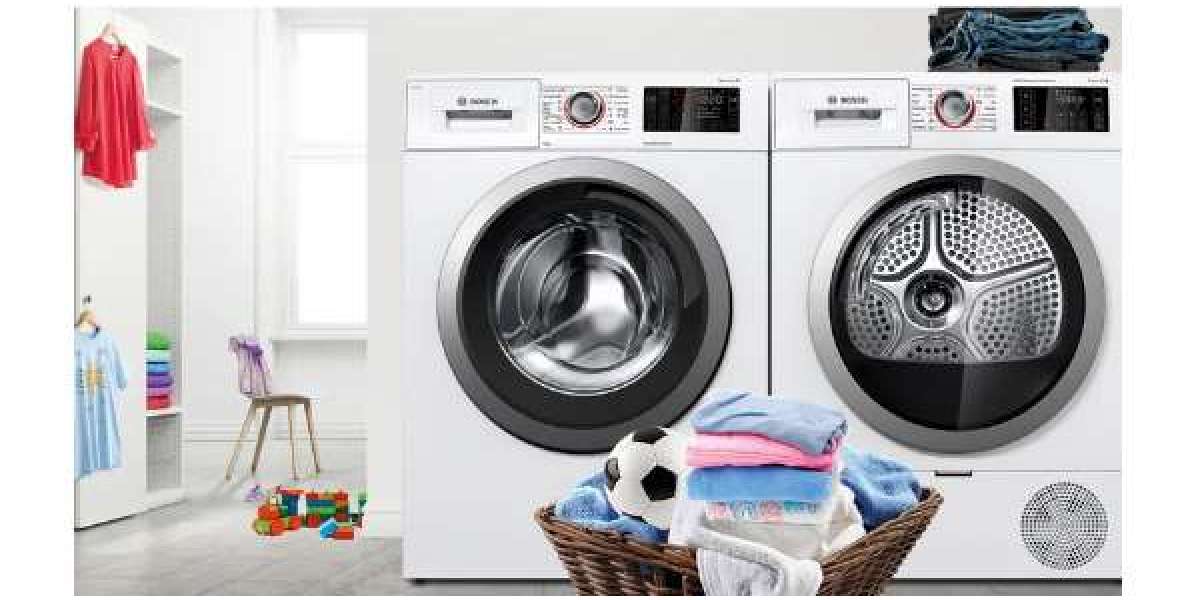

A malfunctioning dryer can disrupt your entire routine. Whether your dryer won’t heat, won’t start, or takes too long to dry clothes, understanding the basics of dryer repair can save you time and money. This guide covers the most common dryer issues, troubleshooting steps, and when it’s best to call a professional.
Common Dryer Problems and Their Causes
1. Dryer Not Heating
If your dryer runs but doesn’t produce heat, possible causes include:
Faulty heating element
Blown thermal fuse
Defective thermostat
Gas supply issues (for gas dryers)
Quick Tip: Before replacing parts, check that the dryer is set to a heat cycle and that the circuit breaker hasn’t tripped.
2. Dryer Won’t Start
When your dryer doesn’t respond at all:
Check the power supply
Inspect the door switch
Test the start switch
Examine the thermal fuse
A broken door switch is a common and inexpensive fix.
3. Dryer Takes Too Long to Dry
If clothes come out damp after a full cycle, the most likely culprit is restricted airflow.
Clean the lint trap
Inspect and clean the vent hose
Check exterior vent for blockage
Poor ventilation reduces efficiency and can become a serious fire hazard.
4. Dryer Making Loud Noises
Unusual noises may indicate:
Worn drum rollers
Damaged belt
Faulty idler pulley
Objects trapped inside the drum
Grinding or squealing sounds should be addressed quickly to prevent further damage.
Step-by-Step Dryer Troubleshooting
Unplug the dryer or shut off the gas supply before performing any repairs.
Consult the owner’s manual for your specific model.
Use a multimeter to test electrical components.
Replace defective parts with manufacturer-approved replacements.
If you are unsure about electrical testing or gas connections, contact a licensed appliance repair technician.
Preventative Maintenance Tips
Regular maintenance helps extend the life of your dryer and prevents costly repairs:
Clean the lint filter after every load
Vacuum inside the dryer cabinet annually
Inspect the vent hose every 6–12 months
Avoid overloading the drum
Simple upkeep can improve efficiency and reduce energy consumption.
When to Call a Professional
While many minor dryer repairs are DIY-friendly, you should call a professional if:
You smell gas
The dryer repeatedly blows fuses
Internal wiring appears damaged
You are unfamiliar with electrical repairs
Certified technicians have the tools and experience to safely diagnose and fix complex problems.
Final Thoughts
Dryer repair doesn’t always require expensive service calls. By identifying common problems and performing routine maintenance, you can keep your appliance running efficiently for years. However, safety should always come first—when in doubt, consult a professional.
If your dryer is acting up, start with basic troubleshooting, and you may be surprised how simple the solution can be.