
Mold is a common and persistent issue in many homes and buildings, especially in areas that are prone to high humidity, water damage, or flooding. It thrives in damp environments and can quickly spread if not addressed promptly. When you spot mold in your home, it’s only natural to want to take action and remove it. However, the question arises: Is DIY mold removal safe, or should you call a professional mold removal service?
In this article, we will examine the risks associated with DIY mold removal, discuss the situations when it might be safe to tackle the problem yourself, and explain why mold damage remediation services and property damage restoration services are often the best course of action when it comes to mold issues.
Understanding Mold and Its Risks
Mold is a type of fungus that grows by spreading spores into the air. It thrives in environments with moisture, poor ventilation, and organic materials such as wood, drywall, or fabric. Common places where mold is found include bathrooms, basements, kitchens, and areas that have been exposed to water damage due to plumbing leaks, floods, or roof leaks.
While mold is a natural part of the environment, it can cause significant damage to your home’s structure and pose serious health risks. Mold exposure can lead to allergic reactions, respiratory problems, skin irritation, and other health issues, particularly for individuals with asthma, weakened immune systems, or sensitivities to mold spores.
For these reasons, it is essential to address mold problems promptly to prevent further damage to your property and safeguard the health of your family members. However, before you grab the bleach and start scrubbing, it’s important to understand whether DIY mold removal is safe.
The Risks of DIY Mold Removal
While it may seem tempting to handle mold removal yourself to save time and money, it is important to recognize the risks involved. Improper mold removal can make the problem worse and lead to various health and property issues. Here are some key reasons why DIY mold removal can be dangerous:
1. Exposure to Harmful Mold Spores
Mold produces microscopic spores that can be released into the air when disturbed. When you attempt to remove mold without the proper protective equipment, you risk inhaling or coming into contact with these spores. Mold spores can trigger allergic reactions, respiratory problems, and other health complications.
Health risks: Mold exposure can lead to coughing, wheezing, nasal congestion, sore throat, skin rashes, and even more severe respiratory issues. In individuals with asthma or weakened immune systems, exposure to mold can worsen symptoms or lead to more serious health problems.
2. Incomplete Mold Removal
Mold often grows in hidden places, such as behind walls, under flooring, or inside ducts. Simply cleaning the visible mold on the surface may not eliminate the entire infestation. DIY removal methods may miss mold growth in concealed areas, allowing it to spread further and eventually lead to larger, more costly mold problems.
Property damage: Even if you clean the visible mold, the underlying problem might persist. Mold can continue to damage your property if it is not properly removed from all affected areas. This can result in structural damage to walls, ceilings, floors, and furniture.
3. Spreading Mold to Other Areas
One of the biggest risks of DIY mold removal is cross-contamination. Without taking the proper precautions, such as containment and proper disposal of contaminated materials, you could inadvertently spread mold spores to other parts of your home. Mold spores can travel through the air, making it difficult to control the extent of the damage if not properly contained.
Health risks: Mold spores can spread throughout your home during the removal process, potentially causing new mold growth in previously unaffected areas. This can exacerbate the problem and require more extensive remediation efforts.
4. Toxic Mold and Mycotoxins
Certain types of mold, including black mold (Stachybotrys chartarum), produce toxic substances known as mycotoxins. These mycotoxins can cause severe health problems, including neurological issues, fatigue, headaches, and respiratory distress. Without the proper knowledge and equipment, handling toxic mold can expose you to dangerous health risks.
Health risks: Mycotoxins can cause long-term health problems, and they are particularly harmful to those with existing health conditions, such as asthma or allergies. Mycotoxin exposure requires a higher level of care when dealing with mold removal.
5. Inadequate Protection and Safety Measures
Mold removal requires specific safety precautions to avoid exposure to spores, chemicals, and other contaminants. DIY mold removal is often performed without the appropriate personal protective equipment (PPE), such as respirators, gloves, goggles, and protective clothing.
Health risks: Without the right PPE, you expose yourself to mold spores and chemicals used in mold removal, increasing your risk of contamination and injury.
When Is DIY Mold Removal Safe?
While the risks of DIY mold removal are significant, there are situations where tackling small mold issues on your own can be relatively safe. However, it’s essential to understand when it might be appropriate to handle the task and when you should call a professional mold remediation service.
1. Small, Isolated Mold Growth (Less than 10 Square Feet)
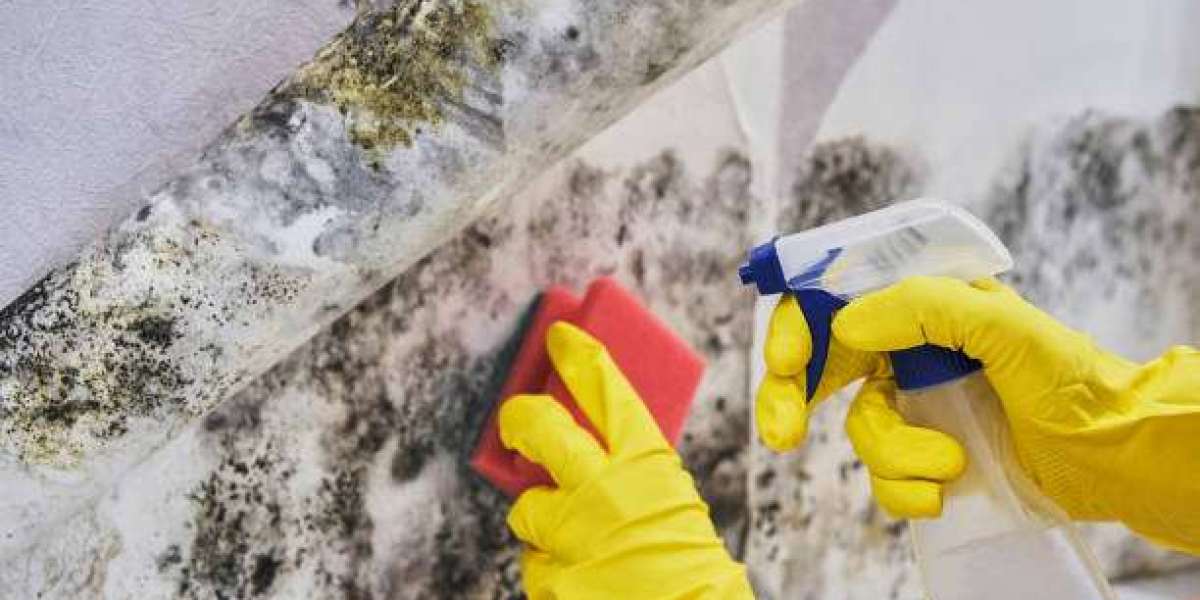
If you discover a small patch of mold that’s isolated and contained to a non-porous surface (like tile or glass), you may be able to safely remove it yourself. For example, mold in your bathroom grout or on a window seal can often be cleaned with mild cleaning solutions like vinegar or hydrogen peroxide.
What to do: Wear gloves, a mask, and goggles for protection, and use a mold-killing solution to scrub the affected area. Be sure to dry the area thoroughly after cleaning.
2. Non-Toxic Mold
If the mold is not a toxic variety, such as black mold, and is limited to a surface that can be easily cleaned, DIY removal might be feasible. Keep in mind that even non-toxic mold should be removed promptly to prevent it from spreading and causing further damage.
What to do: Use appropriate cleaning solutions and disinfectants to remove the mold, and ensure proper ventilation to avoid inhaling spores.
3. No Significant Health Risks
If no one in your household has a history of mold allergies, asthma, or other respiratory conditions, you may feel comfortable handling small mold problems yourself. However, it’s still crucial to wear the right protective gear and to follow proper cleaning protocols.
What to do: Wear proper PPE and ensure that the area is well-ventilated to minimize exposure to mold spores.
When to Call a Professional Mold Remediation Service
In most cases, especially when dealing with large mold infestations or toxic mold, it’s best to leave the job to professionals. Mold remediation specialists are trained to identify hidden mold growth, contain the affected areas, and remove the mold safely without spreading spores throughout the home. Here’s when you should call for professional help:
1. Widespread Mold Growth (More than 10 Square Feet)
If the mold covers a large area or is present in multiple rooms of your home, it’s time to call in a professional mold remediation service. Mold that spreads beyond a small area is more difficult to contain and remove without the right equipment and expertise.
Why call a pro: Professional mold remediation services have the tools and techniques necessary to safely and thoroughly remove large mold infestations, including specialized vacuums and air scrubbers to capture airborne spores.
2. Toxic Mold (Stachybotrys or Black Mold)
If you suspect that the mold in your home is black mold or any other toxic mold, it’s crucial to call a professional mold remediation service immediately. Toxic mold can release mycotoxins into the air, which pose serious health risks if inhaled or touched.
Why call a pro: Professionals have the knowledge and equipment to handle toxic mold safely, including PPE and containment methods that minimize exposure. They can also assess the mold’s impact on your home and take steps to remove it without putting you at risk.
3. Hidden Mold Growth
Mold can grow in areas that are difficult to access or see, such as inside walls, ceilings, ducts, or behind appliances. If you suspect hidden mold but can’t find the source, a professional mold remediation service will have the tools and expertise to perform a thorough inspection and identify the location of the mold.
Why call a pro: Professionals use moisture meters, infrared cameras, and other tools to detect hidden mold, which may not be visible to the naked eye.
4. Water Damage or Flooding
If mold growth has occurred after flooding or significant water damage, it’s essential to call a professional property damage restoration service. Water damage creates the perfect environment for mold to grow, and professionals are equipped to handle the cleanup and mold removal in these situations.
Why call a pro: Property damage restoration services can assess the extent of water damage, remove standing water, and dry out the affected areas before mold has a chance to spread. Mold remediation services are an integral part of this process to ensure your home is fully restored.
5. Health Concerns
If anyone in your household has a compromised immune system, asthma, or mold allergies, it’s crucial to avoid DIY mold removal. In these cases, professional help is necessary to ensure the safety of your family members and to avoid health complications.
Why call a pro: Professionals follow strict safety protocols to protect the health of those in your home during the mold removal process. They use containment methods and air filtration systems to ensure that spores do not spread during remediation.
Conclusion
DIY mold removal may seem like an affordable and straightforward solution, but it comes with significant risks. Without the right knowledge, equipment, and protective gear, attempting to remove mold on your own can cause the problem to worsen, spread, or lead to health issues. In cases of large infestations, toxic mold, or hidden mold growth, it’s always best to call a professional mold remediation service. Professionals have the tools, experience, and expertise to safely and effectively remove mold, mitigate further damage, and restore your home to a safe, healthy condition.
If you’re dealing with water damage or mold growth caused by flooding, contacting property damage restoration services can help ensure a comprehensive and efficient recovery process. Ultimately, taking the right precautions and seeking professional help when necessary will help protect your home and your health.