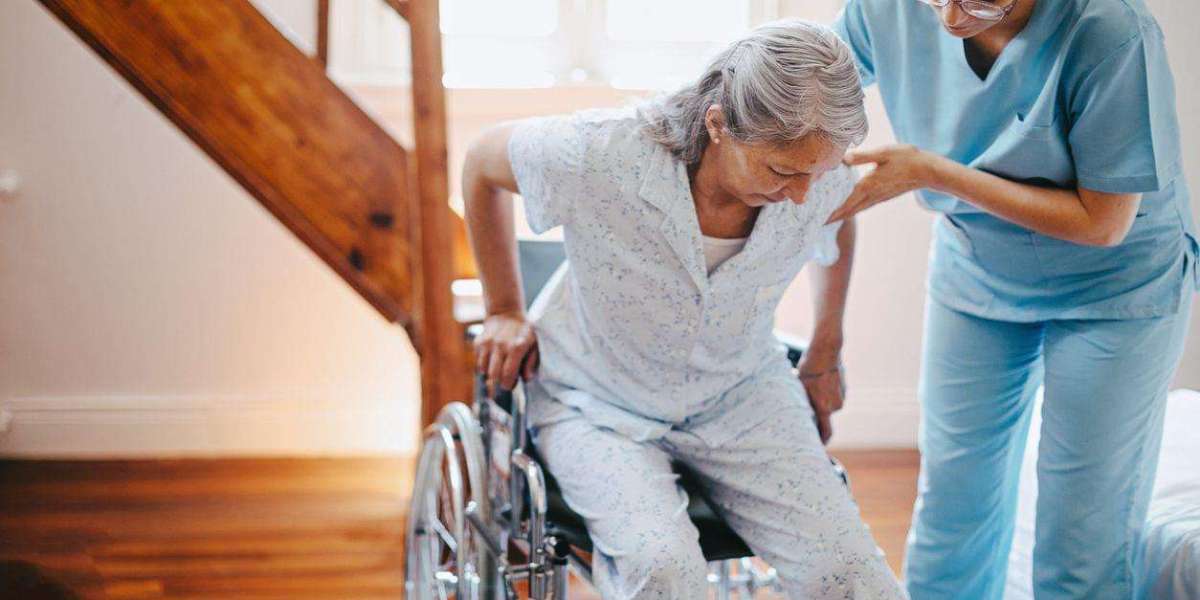

A home health care aide can make the difference between struggling alone and living safely at home with confidence. As more families in the United States face the challenge of caring for aging parents or loved ones with chronic conditions, the need for reliable in-home support keeps growing. I have seen firsthand how the right home health care aide can restore routine, reduce stress, and bring stability back into a household.
According to the U.S. Census Bureau, more than 56 million Americans are age 65 or older, and that number is expected to grow significantly over the next decade. At the same time, AARP reports that nearly 77% of adults over 50 want to age in place. This reality makes the role of a home health care aide more important than ever. Families want care that respects independence while ensuring safety, and that balance often starts right at home.
The Problem: Families Struggle to Balance Care and Daily Life
Many families want to care for loved ones themselves, but the demands can quickly become overwhelming. Managing medications, assisting with bathing, preparing meals, and coordinating appointments is not a small task. When adult children are working full-time jobs, raising kids, and managing their own responsibilities, burnout becomes a real risk.
I have spoken with caregivers who barely sleep because they are afraid their parent might fall at night. Others admit they feel guilty leaving a loved one alone during the workday. Without a trained home health care aide families often feel stretched thin. The emotional pressure builds, and small issues can turn into serious health problems.
Financial stress is another factor. Hospital stays and long-term facility care can be expensive. According to Genworth’s Cost of Care Survey, the median annual cost for a private room in a nursing home in the U.S. exceeds $100,000. Many families simply cannot afford that level of expense. They need a practical solution that supports independence without draining savings.
Agitate: The Hidden Risks of Going Without Professional Support
When proper support is missing, small health concerns can escalate quickly. A missed dose of medication or a minor fall can result in emergency room visits. The Centers for Disease Control and Prevention reports that more than 3 million older adults are treated in emergency departments each year for fall-related injuries. These are not rare events. They are common and often preventable.
Without a home health care aide, personal hygiene may decline, nutrition can suffer, and mobility may decrease. I have seen situations where a loved one stops eating balanced meals simply because cooking feels too difficult. Over time, this leads to weakness, increased fall risk, and more hospital visits.
Emotional isolation is another serious issue. Seniors who live alone often experience loneliness, which the National Institute on Aging links to higher risks of depression and cognitive decline. A trained home health care aide does more than assist physically. They provide conversation, companionship, and structure to the day. Without that support, mental health can quietly deteriorate.
The Solution: How a Home Health Care Aide Restores Stability
A home health care aide provides daily assistance tailored to each individual’s needs. This may include help with bathing, dressing, grooming, meal preparation, light housekeeping, and medication reminders. The goal is not to take over a person’s life but to support independence in a safe way.
In many cases, the home health care aide works alongside nurses and therapists to create a coordinated plan of care. When skilled nursing care at home is required for wound care, injections, or monitoring chronic conditions, the aide helps reinforce the nurse’s instructions. This teamwork reduces hospital readmissions and keeps care consistent.
I have noticed that when a home health care aide becomes part of the routine, stress levels drop for everyone. Family members regain time to focus on work and personal responsibilities. The individual receiving care feels more confident and secure. Stability returns to the household.
Real-World Example: A Michigan Family’s Experience
One case I remember clearly involved a family in Michigan caring for their 78-year-old mother with diabetes and limited mobility. After two hospitalizations due to infections, the family decided to bring in a home health care aide. The aide assisted with daily hygiene, meal planning focused on blood sugar control, and medication reminders.
At the same time, the patient received skilled nursing care at home for wound monitoring and insulin management. Within three months, hospital visits stopped. The patient’s A1C levels improved, and she regained enough strength to walk short distances safely. The family told me they felt relief for the first time in years.
This example reflects a broader national trend. The U.S. Bureau of Labor Statistics projects that employment for home health aides will grow much faster than average, driven by increased demand for in-home services. Families are recognizing that a home health care aide is not a luxury but a practical solution.
Supporting Independence, Not Replacing It
One common misconception is that hiring a home health care aide means giving up independence. In my experience, the opposite is true. When people receive help with challenging tasks, they often become more active in other areas of life. Instead of struggling with bathing or cleaning, they have energy to enjoy hobbies or spend time with family.
A professional home health care aide encourages safe movement, proper nutrition, and routine. They can remind clients to complete physical therapy exercises or maintain mobility goals recommended during skilled nursing care at home visits. This support helps maintain strength and confidence.
Independence does not mean doing everything alone. It means having the right support system. When that system includes a reliable home health care aide, people can remain in familiar surroundings longer. That sense of familiarity plays a major role in emotional well-being.
The Economic and Healthcare Impact in the USA
Home-based care is not just beneficial for families. It also reduces strain on the healthcare system. According to the National Association for Home Care & Hospice, in-home services can significantly lower hospital readmission rates for chronic conditions such as heart failure and COPD. By combining skilled nursing care at home with daily assistance from a home health care aide, patients receive continuous oversight.
Medicare often covers certain home health services when prescribed by a physician, including intermittent skilled nursing care at home. While coverage for long-term aide services varies, many states offer Medicaid programs that support in-home assistance. This makes hiring a home health care aide more accessible for middle-income families than many realize.
From my perspective, investing in a home health care aide is often more cost-effective than repeated hospital stays or long-term facility placement. The financial and emotional savings can be significant over time.
Choosing the Right Home Health Care Aide
Selecting a home health care aide requires careful consideration. Families should look for proper training, background checks, and supervision by licensed professionals. Communication is key. The aide must understand medical instructions when skilled nursing care at home is involved and be able to report changes in condition promptly.
I always suggest meeting potential aides in person before making a decision. Observe how they interact with your loved one. Respect, patience, and reliability matter more than impressive resumes. A strong relationship between the client and the home health care aide builds trust and improves outcomes.
Consistency is also important. When the same home health care aide visits regularly, routines become smoother. The aide learns preferences, recognizes early warning signs, and becomes a steady presence. That continuity helps prevent small issues from turning into major problems.
Conclusion
A home health care aide is not just a helper. They are a partner in maintaining dignity, safety, and independence. As the U.S. population ages and more families seek alternatives to institutional care, the value of a trained home health care aide continues to grow.
By combining daily support with skilled nursing care at home when needed, families can create a safe and stable environment. I believe strongly that aging in place is possible for many people, but it requires the right structure. The presence of a compassionate home health care aide provides that structure.
If your goal is to help a loved one remain at home while reducing stress and health risks, bringing in a home health care aide may be the most practical step you can take. In my experience, the peace of mind alone makes it worth considering, and the long-term benefits often exceed expectations.