
Every rider knows that sinking feeling. You checked the forecast, saw clear skies, and left the rain gear at home. Thirty miles later, dark clouds roll in and the first drops hit your visor. Suddenly, your choice of riding gear matters more than it did an hour ago.
Canvas motorcycle vests have protected riders for generations, but how do they actually perform when weather turns ugly? The answer involves understanding what canvas can and cannot do against moisture.
Waterproof Versus Water-Resistant: The Critical Difference
Before diving into canvas specifics, let's clarify terminology that manufacturers often blur for marketing purposes.
Waterproof means complete moisture barrier. Water cannot penetrate the material regardless of exposure time, pressure, or conditions. Think rubber boots or sealed dry bags. Nothing gets through.
Water-resistant means the material resists moisture penetration to varying degrees. Light rain might bead up and roll off. Extended exposure or heavy downpours eventually soak through. Most wearable fabrics fall into this category.
Understanding this distinction prevents disappointment when your gear performs exactly as designed but not as you imagined.
Natural Canvas Properties
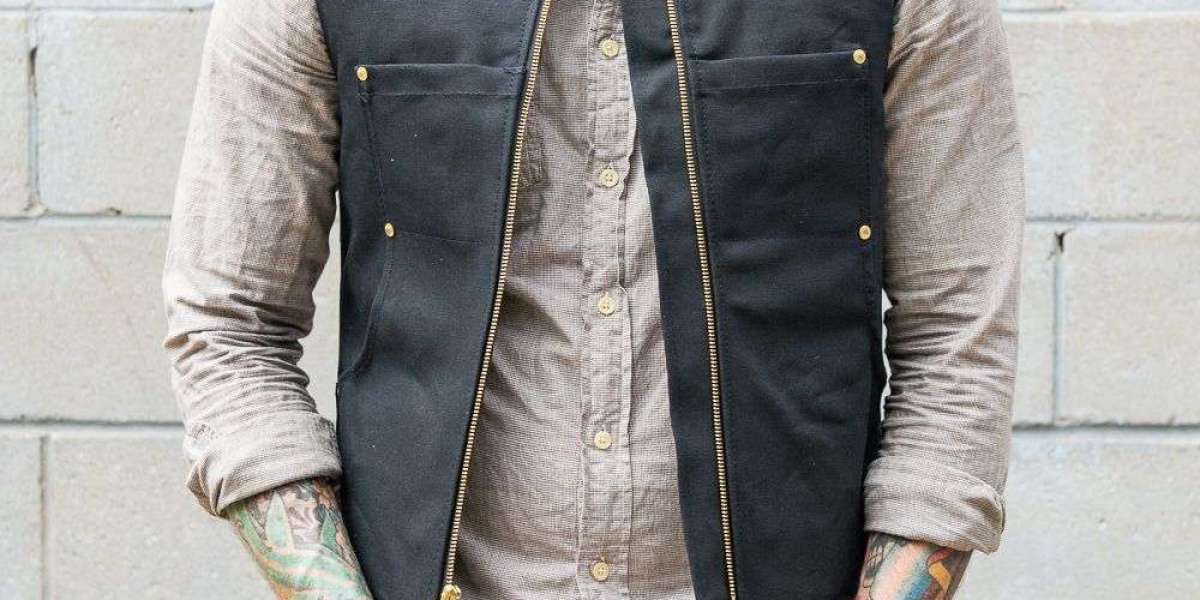
A standard signature men's canvas vest starts with tightly woven cotton fibers. This construction creates natural water resistance before any treatments get applied.
Cotton fibers swell when they absorb moisture. This swelling actually tightens the weave, creating a denser barrier against additional water penetration. Canvas tents have sheltered campers through countless storms using this exact principle.
However, natural canvas has limits. Extended rain exposure eventually saturates the fibers completely. Once saturation occurs, water passes through freely. You're protected for a while, not indefinitely.
The weight of canvas also affects performance. Heavier canvas weaves provide better initial resistance than lighter alternatives. That substantial feel when you put on a quality canvas vest mens design translates directly to improved weather protection.
Treatment Technologies That Change Everything
Modern canvas vests for men rarely hit the market in their natural state. Manufacturers apply various treatments that dramatically enhance moisture resistance.
Wax Coatings
Traditional wax treatments have protected canvas for over a century. The wax fills gaps between fibers and creates a hydrophobic surface that causes water to bead rather than absorb.
Waxed canvas handles light to moderate rain exceptionally well. Drops roll off without penetrating, keeping you dry through passing showers and brief storms. The trade-off involves slightly reduced breathability and the need for periodic reapplication as the coating wears.
DWR Treatments
Durable Water Repellent coatings represent the modern approach to canvas protection. These chemical treatments bond at the fiber level, creating water resistance that lasts longer than surface coatings.
DWR-treated canvas maintains better breathability than waxed alternatives while still providing solid rain protection. Many riders prefer this balance for regular commuting where you encounter varied conditions throughout a single trip.
Hybrid Approaches
Premium canvas vests for men often combine multiple protection strategies. A DWR treatment on outer fibers paired with water-resistant backing materials creates layered defense against moisture.
These hybrid constructions come closest to true waterproof performance while maintaining the breathability and comfort that make canvas popular in the first place.
Real-World Performance Expectations
So what should you actually expect from a men's canvas motorcycle vest when rain starts falling?
Light Rain and Drizzle
Quality canvas handles light precipitation without any issue. Water beads on the surface, rolls off during movement, and your base layer stays completely dry. You can ride through drizzle for extended periods without moisture breakthrough.
Moderate Rain
This is where treatment quality matters most. The well-treated canvas continues performing for thirty minutes to an hour of steady rain. Untreated or worn-out canvas starts showing moisture penetration much sooner.
Heavy Downpours
No canvas vest delivers true waterproof performance in heavy rain. Prolonged exposure to serious precipitation eventually overwhelms even the best treatments. If thunderstorms are certain, dedicated rain gear remains the smart choice.
Humidity and Sweat
Canvas actually outperforms many synthetic waterproof materials in mixed moisture conditions. The fabric breathes well enough to release body moisture while blocking external water. Synthetic waterproof shells often trap sweat, leaving you wet from the inside regardless of outside conditions.
Comparing Canvas to Other Vest Materials
How does a mens canvas vest stack up against alternatives when moisture protection matters?
Versus Leather
Leather offers better natural water resistance than untreated canvas. However, leather requires careful conditioning to maintain this protection and suffers significant damage from repeated soaking. Canvas handles the wet-dry cycle with less drama and maintenance.
Versus Nylon
Treated nylon provides superior waterproof performance when that's your primary concern. The trade-off involves plastic feel, reduced breathability, and aesthetic limitations. Nylon screams motorcycle gear while canvas transitions to casual settings.
Versus Denim
Standard denim performs worse than canvas in wet conditions. The looser weave absorbs water faster and provides less resistance overall. Canvas wins this comparison on moisture protection and durability.
Maintenance Matters
Your best men's canvas motorcycle vest performs only as well as you maintain it. Water resistance fades over time without proper care.
Cleaning Considerations
Aggressive detergents strip protective treatments faster than gentle alternatives. Use canvas-specific cleaners or mild soap when washing becomes necessary. Air dry completely before storage.
Retreatment Schedules
Waxed canvas needs fresh coating annually or whenever water stops beading properly. DWR treatments last longer but still require eventual renewal. Watch how water behaves on your vest, when it soaks in rather than beading up, treatment has worn through.
Storage Impacts
Damp storage destroys canvas faster than any other factor. Always dry your vest completely before putting it away. Mildew damages both the fabric and any protective treatments, requiring expensive restoration or replacement.
Making the Right Choice
Your riding patterns determine whether a canvas vest men’s water resistance meets your needs.
Commuters facing occasional light rain find canvas protection perfectly adequate. The combination of decent moisture resistance and excellent breathability handles mixed conditions better than specialized rain gear.
Touring riders heading into uncertain weather benefit from carrying backup rain protection. Canvas handles unexpected showers while dedicated rain shells wait in saddlebags for serious storms.
Riders in consistently wet climates might need more robust solutions. Canvas works as an everyday option with proper rain gear available when forecasts turn threatening.
The Bottom Line
Canvas motorcycle vests land firmly in the water-resistant category rather than waterproof. This positioning actually serves most riders well. True waterproof materials sacrifice breathability and comfort that make canvas enjoyable during normal riding conditions.
A quality canvas vest mens selection with proper treatment handles the moisture challenges typical riders actually encounter. Light rain, unexpected showers, and humid conditions fall well within canvas capabilities.
Understanding these realistic expectations helps you choose appropriate gear for your riding style. Canvas delivers reliable water resistance when maintained properly, just don't expect it to replace dedicated rain gear when serious storms threaten your route.