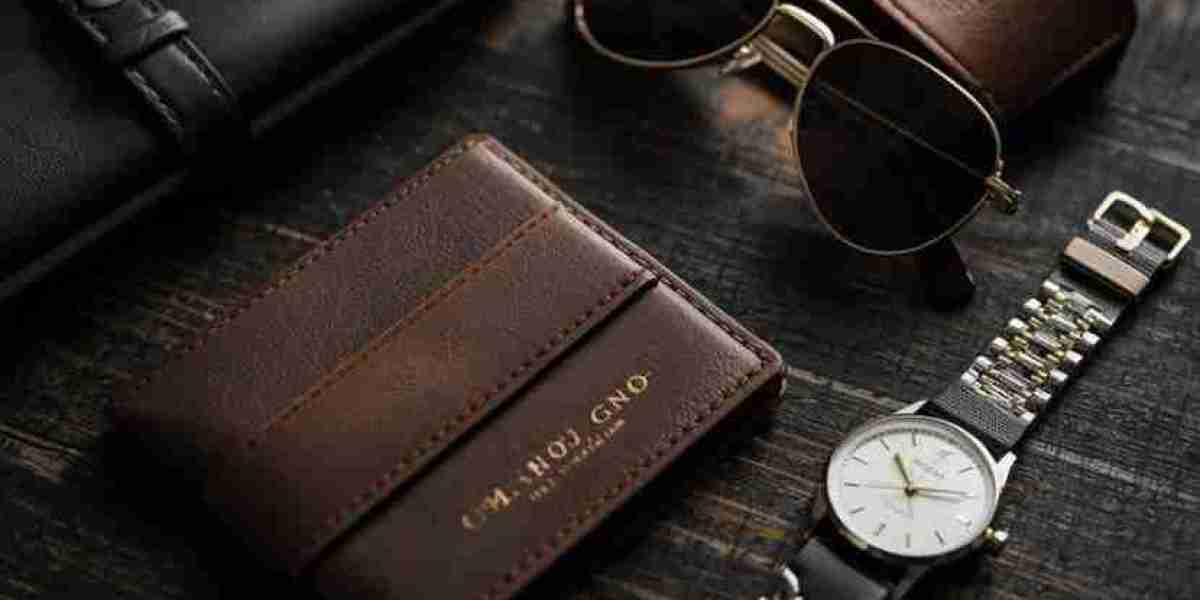

The Philippines personal accessories market is becoming one of the most dynamic lifestyle-driven industries in Southeast Asia. Valued at USD 2.65 billion in 2025, the market is projected to reach USD 6.05 billion by 2035, expanding at a CAGR of 8.60%. This growth reflects a clear shift in consumer behavior, where accessories are no longer optional fashion add-ons but essential elements of personal identity and digital lifestyle expression.
What makes this market particularly interesting is the convergence of fashion, technology, and social influence. Urbanization, rising disposable incomes, and strong digital engagement—especially among younger consumers—are reshaping how accessories are designed, marketed, and consumed across the country.
What is fueling the rapid expansion of the accessories market in the Philippines?
The market is expanding due to rising fashion awareness, growing middle-class spending power, and the strong influence of digital culture and wearable technology. Social media and online retail are also reshaping buying habits.
A major growth driver is the aspirational lifestyle of younger Filipinos. Millennials and Gen Z consumers are highly influenced by global fashion trends, celebrity culture, and social media platforms. Accessories are increasingly used as tools for self-expression, allowing individuals to reflect personality, status, and lifestyle choices.
Wearable technology has added another layer of growth momentum. Smartwatches and fitness bands are no longer seen purely as electronic devices—they are now considered fashion accessories. Products from companies such as Apple Inc., Garmin Ltd., and Huawei Technologies Co., Ltd. have successfully merged design and functionality, making smart accessories a mainstream category.
At the same time, the rapid expansion of e-commerce has significantly widened product accessibility. Consumers can now explore global brands, compare prices instantly, and follow fashion trends in real time, which has dramatically increased purchase frequency and category penetration.
How product categories are shaping buying behavior
Watches, fashion jewelry, and handbags are the most influential categories, with watches gaining additional strength from the rise of smart wearable devices.
Watches continue to hold a strong position in the market due to their dual role as functional and fashion items. Traditional analog watches remain popular for formal and lifestyle use, while smartwatches are rapidly gaining traction among tech-savvy consumers. The integration of health tracking, notifications, and customizable designs has significantly expanded this category.
Fashion jewelry plays a particularly important role among female consumers. Earrings, necklaces, and bracelets are widely purchased due to their affordability and ability to quickly reflect changing fashion trends. Unlike more formal luxury jewelry markets, the Philippines segment is highly dynamic and trend-responsive.
Handbags and wallets are also essential accessories, especially in urban areas. These products serve both functional and aesthetic purposes, and brand preference often depends on design appeal, durability, and affordability. Competition in this segment is intense, with both international and local brands actively targeting style-conscious consumers.
The rise of wearable technology as a fashion statement
Wearable technology is redefining personal accessories by blending fashion aesthetics with digital functionality, creating a hybrid product category that is rapidly gaining popularity.
Smartwatches and fitness bands are now central to modern accessory trends. Consumers increasingly expect their accessories to offer more than visual appeal—they want health tracking, connectivity, and seamless integration with digital lifestyles. This shift has transformed wearable devices into everyday fashion essentials.
Global technology leaders like Apple Inc. and Garmin Ltd. have played a key role in this transformation. Their products are positioned not just as gadgets but as premium lifestyle accessories that complement everyday fashion choices.
Fashion brands are also entering the wearable space through collaborations with tech companies. This fusion allows companies to appeal to both style-conscious and functionality-driven consumers, particularly in urban centers where digital lifestyles are most prominent.
How different consumer groups are influencing demand patterns
Demand varies significantly by age and gender, with women leading overall consumption while men show rising interest in watches and smart accessories.
Female consumers remain the dominant force in the accessories market, particularly in fashion jewelry and handbags. Their purchasing decisions are strongly influenced by trends, social media content, and lifestyle aspirations. Accessories are often seen as essential elements of daily styling and personal expression.
Male consumers are increasingly active in categories such as watches, wallets, and wearable devices. The growing acceptance of smartwatches and minimalist fashion trends has significantly expanded male participation in the accessories segment.
Younger consumers, especially Gen Z, tend to prefer affordable, frequently changing fashion items that reflect current trends. In contrast, older consumers prioritize durability, brand reputation, and functional value over fast-changing aesthetics.
How retail channels are reshaping product accessibility
The market is shifting toward digital-first retail models, although physical stores still play an important role in brand experience and premium purchases.
Offline retail remains strong in shopping malls and branded stores, where consumers prefer to physically evaluate products such as watches and handbags before purchasing. This is particularly important for higher-value items where tactile experience influences decision-making.
Online retail, however, is expanding at a much faster pace. E-commerce platforms provide access to a wider variety of brands, competitive pricing, and convenience. Digital marketing campaigns and influencer endorsements are also playing a major role in driving online sales.
Social commerce is emerging as a powerful new channel. Consumers frequently discover accessories through social media platforms, where influencers demonstrate styling ideas and product combinations, making purchasing decisions more immediate and impulse-driven.
Regional consumption patterns across the Philippines
Metro Manila dominates the market due to high income levels and urban lifestyle trends, while other regions are gradually expanding their share through digital access and retail growth.
Metro Manila remains the central hub for personal accessories consumption. The region’s strong retail infrastructure, dense population, and high fashion awareness make it the primary demand center. Shopping malls and lifestyle districts heavily influence purchasing behavior.
Cebu and Davao are emerging as important secondary markets. These cities are experiencing rising urbanization and stronger exposure to global fashion trends, which is steadily increasing demand for both traditional and smart accessories.
Rural areas are also becoming more relevant due to growing internet penetration and improved access to e-commerce platforms. Digital connectivity is allowing consumers in smaller towns to participate in global fashion trends more actively than before.
Competitive landscape and brand strategies
The market is highly competitive, with global fashion, sportswear, and technology brands competing alongside regional players through innovation, branding, and pricing strategies.
Global sportswear brands such as Nike Inc. and Adidas AG dominate lifestyle accessories that blend fashion with athletic identity. Their strong brand positioning allows them to appeal to younger, urban consumers.
Luxury and fashion-oriented brands like Lacoste S.A. and Diesel SpA focus on premium accessory segments, offering designs that emphasize exclusivity and style identity.
Watch and lifestyle brands such as Seiko Group Corporation and Argos Watches Corporation maintain strong positions through reliability, craftsmanship, and long-standing consumer trust.
Local players, including SUYEN CORPORATION (Aldo Corp.), play a key role in making fashion accessories more accessible through affordable pricing and fast-moving trend adaptation. Competitive strategies increasingly focus on omnichannel presence, influencer marketing, and rapid product turnover.
Challenges influencing long-term market growth
Key challenges include price sensitivity, counterfeit products, and rapidly shifting fashion trends that require continuous innovation from brands.
Price sensitivity remains a core challenge, as many consumers prioritize affordability over premium branding. This forces companies to carefully balance cost, design, and perceived value to remain competitive.
Counterfeit products also create significant market distortion. Fake accessories reduce brand trust and affect premium segment sales, prompting companies to invest in authentication systems and stronger brand protection measures.
Fast-changing fashion cycles further complicate market stability. Accessories that are trending today may lose relevance quickly, requiring brands to maintain flexible supply chains and responsive design strategies to stay competitive.
Conclusion: Where the Philippines accessories market is headed
The Philippines personal accessories market is on a strong upward trajectory, driven by fashion evolution, digital adoption, and wearable technology integration. With projected growth to USD 6.05 billion by 2035, the industry is becoming increasingly shaped by lifestyle convergence rather than traditional fashion cycles alone.
The next phase of growth will be defined by smart accessories, digital retail expansion, and stronger brand-consumer engagement through social platforms. Companies that successfully combine style, technology, and affordability will be best positioned to lead the market.
Despite challenges such as price sensitivity and counterfeit risks, strong demographic momentum and rising digital connectivity ensure long-term potential. The market is evolving into a highly connected ecosystem where fashion, identity, and technology seamlessly intersect.
Access More Reports
Artificial Insemination Market
Amyotrophic Lateral Sclerosis Market
About Us:
Expert Market Research is a leading market research firm delivering data-driven insights to the pharmaceutical, biotechnology, and medical device industries. Our comprehensive research solutions include market research reports, providing in-depth analysis of industry trends and competitive landscapes; drug pipeline reports, tracking drug development progress, clinical trials, and regulatory approvals; epidemiology reports, offering detailed disease prevalence and patient population studies; and patent reports, assessing intellectual property landscapes and innovation trends, among others.
Leveraging proprietary data, advanced analytics, and expert methodologies, we help businesses navigate complex markets, optimize strategies, and drive innovation. We empower clients with actionable intelligence, enabling them to make informed decisions and stay ahead in the rapidly evolving healthcare sector.
Media Contact:
Company Name: Claight Corporation
Contact Person: Roshan Kumar, Digital Marketing
Email: sales@expertmarketresearch.com
Toll-Free Number: US +1-415-325-5166 | UK +44-702-402-5790
Address: 30 North Gould Street, Sheridan, WY 82801, USA
Website: www.expertmarketresearch.com