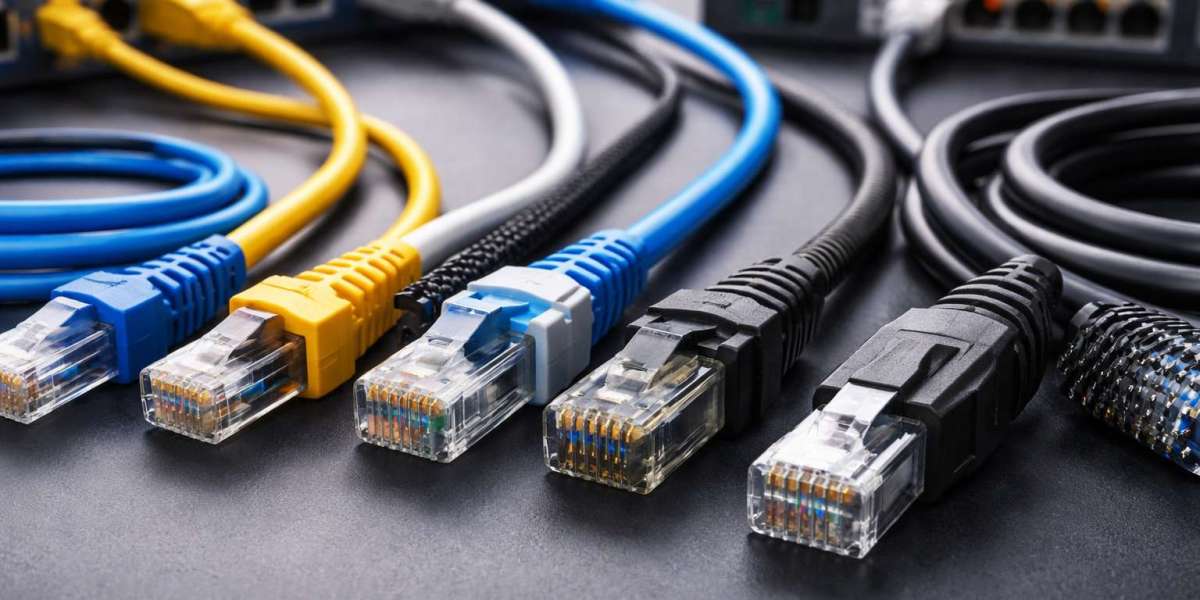

In today's world of remote work and endless streaming, your internet connection quality can make or break your experience. While most people focus on their internet speed package, many overlook a critical component: the ethernet cable connecting their devices to the router. If you're wondering whether upgrading from Cat5e to Cat6 will improve your streaming and video conferencing quality, this guide will help you make an informed decision.
Understanding Ethernet Cable Categories
Before diving into the comparison, you need to understand what these cable categories represent. The "Cat" designation stands for "category," and the number indicates the cable's generation and capabilities. Both Cat5e and Cat6 are popular choices for home and office networks, but they differ in several important ways.
What Cat5e Offers
Cat5e, or Category 5 enhanced, arrived as an improvement over the original Cat5 standard. This high speed ethernet cable supports speeds up to 1 Gigabit per second (Gbps) and operates at frequencies up to 100 MHz. For most households, Cat5e provides reliable performance for everyday internet activities, including streaming and video calls.
What Cat6 Brings to the Table
Cat6 represents the next evolution in ethernet technology. This cable supports speeds up to 10 Gbps over shorter distances (up to 55 meters) and operates at frequencies up to 250 MHz. The internal construction includes tighter twisting of wire pairs and often features a physical separator between pairs, which reduces crosstalk and interference.
Speed Requirements for Streaming and Video Conferencing
To determine which cable suits your needs better, you must first understand the bandwidth requirements for your activities.
Streaming Demands
Standard definition streaming requires approximately 3-4 Mbps, while HD content needs 5-8 Mbps. For 4K streaming, you'll need 25 Mbps or more. Even the most demanding 4K streaming services rarely exceed 50 Mbps. Cat5e's 1 Gbps capacity (equivalent to 1000 Mbps) handles these requirements with substantial headroom.
Video Conferencing Needs
Video conferencing platforms have varying bandwidth requirements. Zoom recommends 3 Mbps for HD video calls, while Microsoft Teams suggests 4 Mbps. Even professional-grade video conferencing rarely demands more than 10 Mbps per stream. Again, Cat5e easily accommodates these needs.
Real-World Performance Differences
The theoretical specifications tell only part of the story. Real-world performance depends on several factors that affect how these cables perform in your specific environment.
Network Congestion and Multiple Devices
If multiple people in your household stream content, participate in video conferences, and download files simultaneously, you need adequate bandwidth distribution. Both Cat5e and Cat6 handle multiple simultaneous activities well for typical home use. However, Cat6's higher frequency rating provides better performance when multiple high-bandwidth applications run concurrently.
Distance and Interference Considerations
Cat6 maintains superior performance over longer cable runs within your home or office. The enhanced shielding in Cat6 reduces electromagnetic interference from nearby electrical devices, which can degrade signal quality. If you run cables near power lines, fluorescent lights, or other sources of interference, Cat6 provides noticeably more stable connections.
When Cat6 Makes a Difference
While Cat5e suffices for most streaming and video conferencing scenarios, certain situations justify investing in Cat6 as your high speed ethernet cable choice.
Future-Proofing Your Network
Internet speeds continue to increase, and streaming quality evolves rapidly. 8K streaming already exists, and internet service providers regularly increase their speed offerings. Cat6 provides longer-term viability, ensuring your cabling infrastructure won't become a bottleneck as technology advances.
Professional Use Cases
If you regularly upload large video files, participate in multi-stream professional broadcasts, or run a home-based business requiring consistent high-bandwidth connections, Cat6 offers measurable advantages. The reduced latency and improved stability become particularly valuable during critical business communications.
Smart Home Integration
Modern homes incorporate numerous connected devices, from security cameras streaming HD video to smart TVs, gaming consoles, and IoT devices. Cat6 handles this increased network traffic more efficiently, maintaining stable connections across all devices simultaneously.
Cost Considerations
Cat6 cables typically cost 10-20% more than Cat5e equivalents. For a single cable connecting your computer to your router, this price difference amounts to just a few dollars. However, if you're wiring an entire home or office, the cost differential becomes more significant.
The installation complexity remains essentially identical for both cable types, so labor costs don't differ substantially. The primary consideration becomes whether the performance benefits justify the marginal cost increase for your specific needs.
Making Your Decision
For standard streaming and video conferencing on typical home internet connections (100-500 Mbps), Cat5e performs excellently. You won't notice quality differences between Cat5e and Cat6 for these applications. The bottleneck in your streaming or video conferencing quality almost certainly lies elsewhere—perhaps your internet speed package, WiFi performance, or router capabilities.
However, if you're investing in new cabling, choosing Cat6 makes sense for future-proofing purposes, especially since the cost difference remains minimal. The improved shielding provides peace of mind against interference, and the higher specifications ensure your cables won't limit your network as your needs evolve.
Conclusion
Both Cat5e and Cat6 deliver excellent performance for streaming and video conferencing under normal circumstances. Cat5e handles current demands efficiently and costs slightly less, making it perfectly adequate for most users. Cat6 offers superior future-proofing, better interference resistance, and higher performance headroom, making it the wiser choice for new installations despite the modest price premium.
Your decision should balance current needs, future plans, and budget constraints. For most users upgrading existing cables, staying with Cat5e makes financial sense. For new installations or professional applications, investing in Cat6 as your high speed ethernet cable provides better long-term value and ensures your network infrastructure won't limit your connectivity as technology advances.
Source: https://www.iplocation.net/different-ethernet-cables-with-their-features-and-applications