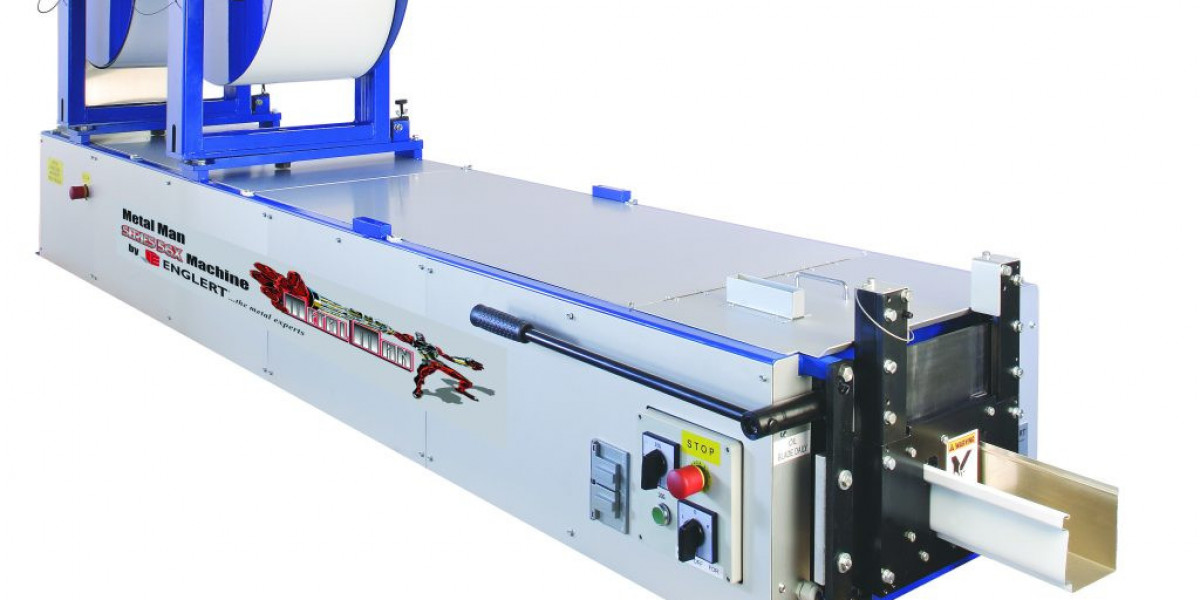

Gutters are a crucial yet often overlooked part of any building. They protect the foundation, walls, and landscaping by efficiently directing rainwater away from the property. While they may seem simple, the proper fabrication and installation of gutters are essential to prevent leaks, water damage, and structural issues. Traditionally, gutters were installed in pre-fabricated sections, often requiring extensive manual labor and precise measurements. However, the advent of gutter machines has revolutionized the industry, making the process faster, more precise, and far more efficient.
From residential homes to commercial and industrial buildings, gutter machines have become indispensable tools for contractors. They save time, reduce labor costs, and deliver seamless, professional results, ensuring that gutter systems perform optimally for years to come.
What Are Gutter Machines?
Gutter machines are specialized equipment designed to fabricate gutters directly on-site. Unlike sectional gutters, seamless gutters created by these machines are custom-made to fit the exact dimensions of a building. This precision minimizes leaks, enhances aesthetics, and improves the durability of the gutter system.
These machines typically feed metal coils—commonly aluminum, steel, or copper—through rollers that shape the material into gutters, downspouts, and other accessories. Advanced machines can also cut, notch, and punch the metal, allowing contractors to produce complete gutter systems in a single workflow.
Types of Gutter Machines
There are several types of gutter machines, each serving a distinct purpose:
1. Seamless Gutter Roll Forming Machines
Seamless gutter roll forming machines are the most commonly used. They convert flat metal coils into continuous gutters of the desired profile, such as K-style, half-round, or custom designs. By fabricating gutters on-site, contractors reduce material waste and ensure a perfect fit.
2. Downspout Machines
Downspout machines create the vertical channels that carry water from gutters to drainage systems. These machines cut and shape metal to precise dimensions, ensuring a secure fit and proper water flow. Some machines can fabricate both gutters and downspouts, streamlining the entire process.
3. Notching and Punching Machines
Notching and punching machines add holes, slots, or bends to gutters and downspouts for mounting brackets, hangers, or spouts. Precision is essential for alignment and secure installation, and machines perform these tasks more accurately than manual methods.
4. Multi-Functional Gutter Machines
Modern multi-functional gutter machines combine roll forming, cutting, notching, and punching in a single unit. These machines are ideal for high-volume projects, allowing contractors to produce complete gutter systems efficiently and consistently.
Benefits of Using Gutter Machines
1. Precision and Accuracy
Seamless gutters require exact measurements and cuts. Gutter machines ensure high precision, allowing each component to fit perfectly without gaps or leaks. Accurate fabrication improves the gutter system’s longevity and minimizes costly repairs.
2. Time Efficiency
Manual gutter fabrication and installation can be slow and labor-intensive. Gutter machines allow contractors to produce gutters directly on-site, dramatically reducing installation time. Projects that would take days can often be completed in hours.
3. Durability
Gutters produced by machines are typically stronger and more durable than sectional systems. Fewer joints mean fewer potential points for leaks. Additionally, metals like aluminum and steel are often coated to resist corrosion, rust, and environmental damage.
4. Cost Savings
While gutter machines require an initial investment, they save money over time. Reduced labor costs, minimal material waste, and faster project completion make them cost-effective, particularly for contractors handling multiple projects.
5. Versatility
Modern gutter machines can handle various metals and profiles, including aluminum, steel, and copper. This versatility allows contractors to adapt to different building designs and client requirements without purchasing multiple machines.
Applications of Gutter Machines
Gutter machines are used across residential, commercial, and industrial projects:
· Residential Homes: Seamless gutters fit perfectly, prevent leaks, and require minimal maintenance.
· Commercial Buildings: Large office complexes, hotels, and retail spaces need efficient, high-volume gutter fabrication.
· Industrial Facilities: Factories and warehouses require durable gutters that withstand harsh conditions.
· Repairs and Renovations: Gutter machines allow contractors to replace damaged sections quickly and integrate seamlessly with existing systems.
Choosing the Right Gutter Machine
Selecting the appropriate machine depends on the project’s scope and requirements:
1. Material Compatibility: Ensure the machine can handle the type of metal being used.
2. Project Volume: High-volume contractors may need automated or multi-functional machines for efficiency.
3. Durability and Build Quality: Invest in machines with high-quality components for long-term reliability.
4. Portability: Portable machines are ideal for contractors working on multiple sites.
5. Training and Support: Choose reputable manufacturers that provide technical support and operator training.
Conclusion
Gutter machines have transformed the gutter installation process by offering precision, efficiency, and durability. They allow contractors to fabricate seamless gutters and downspouts on-site, reducing labor time, minimizing errors, and ensuring professional results.