
Introduction
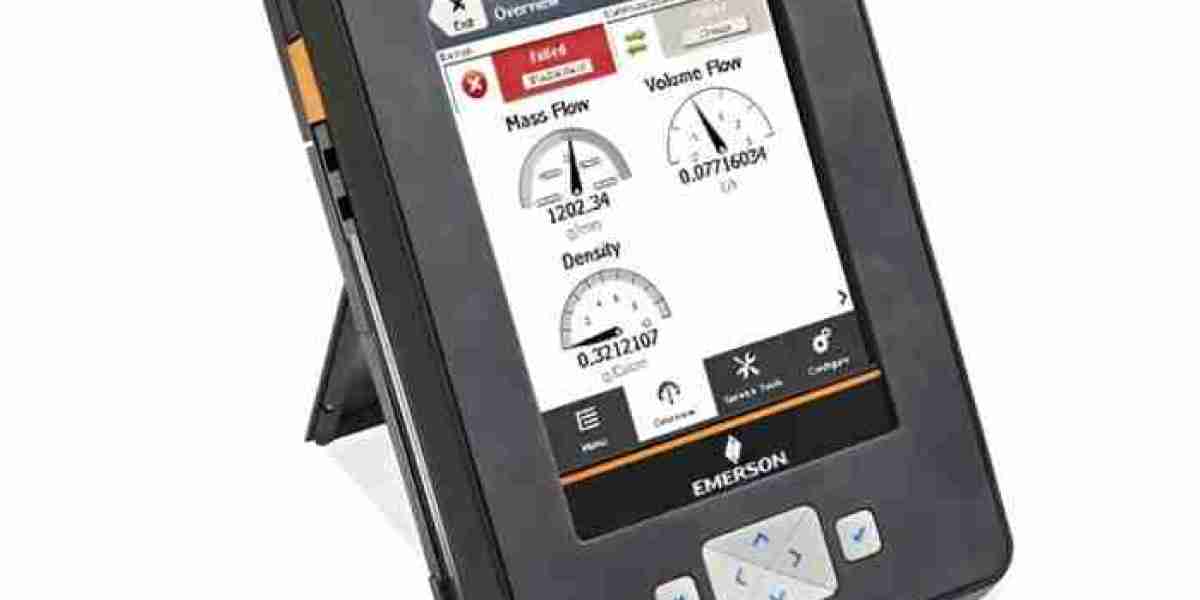
AMS Device Communicator is a trusted solution for managing smart field devices in modern industrial environments. It helps technicians configure instruments, review diagnostics, verify performance, and support maintenance tasks with greater accuracy. In plants where uptime, safety, and process control matter, this tool gives engineers quick access to essential device information.
Today, industrial systems depend on sensors, electronics, controllers, microprocessors, cables, and connectors working together. Therefore, a reliable communicator helps teams reduce faults, improve visibility, and keep automation systems performing smoothly.
AMS Device Communicator for Smart Field Instruments
Smart field instruments are used to measure, monitor, and control important process conditions. These may include pressure, temperature, level, flow, and valve position. Since each device must communicate correctly with the control system, clear device access is essential.
AMS Device Communicator supports this requirement by enabling technicians to connect to compatible devices and review key details. As a result, teams can check settings, identify alerts, and confirm performance without unnecessary delays.
How AMS Device Communicator Helps Industrial Teams
Industrial maintenance teams often work under pressure. Equipment failure can stop production, affect quality, and increase operating costs. Because of this, they need tools that make troubleshooting faster and more accurate.
AMS Device Communicator helps by giving direct access to device data. It supports routine checks, commissioning, calibration preparation, and fault investigation. Moreover, it helps engineers understand whether a problem comes from device settings, wiring, connectors, cables, sensors, or the control system.
Clear Configuration Support
A device can only perform well when it is configured correctly. Incorrect ranges, units, tags, or output settings can cause process errors.
AMS Device Communicator helps users review and adjust device settings before or during operation. This improves installation accuracy and supports consistent performance across the plant.
Useful configuration tasks include:
• Checking device identity and tag information
• Reviewing range and measurement units
• Confirming output values and status
• Adjusting parameters when required
• Verifying communication between devices and controllers
These steps help prevent avoidable errors and support smoother operation.
Faster Device Troubleshooting
Troubleshooting can take time when teams lack clear information. Faults may be caused by loose connectors, damaged cables, poor power supply, thermal stress, failed fuses, contactors, switches, or internal electronics.
With the AMS Device Communicator, technicians can view diagnostic messages and device condition data. Consequently, they can narrow down the fault source and take suitable action faster.
This reduces unnecessary equipment replacement and helps restore systems more efficiently.
Importance of Device Communication in Process Control
Process control depends on reliable information. If sensors send incorrect data or controllers receive unstable signals, the full system may respond incorrectly.
AMS Device Communicator improves access to field device information, which supports better decision-making. It also helps maintenance teams detect configuration problems, communication errors, and performance warnings early.
In addition, it supports better coordination between field staff and control room teams.
AMS Device Communicator and Calibration Workflows
Calibration is an important part of industrial quality and safety management. It confirms that instruments measure correctly and operate within expected limits.
AMS Device Communicator supports calibration workflows by helping users check device values, confirm settings, and prepare instruments for testing. Therefore, technicians can work with better confidence during scheduled maintenance or inspection.
This is useful for devices that control temperature, pressure, flow, and level.
Supporting Safety Across Industrial Systems
Safety is a major reason why accurate device communication matters. A field instrument that produces unreliable readings can pose risks to operators, equipment, and production quality.
AMS Device Communicator helps technicians identify warnings and device faults before they become serious. It can also support safer work by reducing guesswork during fault-finding.
In systems with controllers, fuses, contactors, switches, and field instruments, reliable diagnostics can help prevent unsafe operating conditions.
Role in Connected Industrial Maintenance
Industrial maintenance is becoming more connected and data-focused. Teams now use laptops, handheld devices, software tools, and digital records to manage assets.
AMS Device Communicator supports this modern approach by helping users access detailed device information in the field. As a result, maintenance planning becomes more structured and less reactive.
Improving Preventive Maintenance
Preventive maintenance helps teams solve problems before equipment fails. AMS Device Communicator supports this by making device health information easier to access.
For example, abnormal readings, device alerts, or communication problems can show early signs of failure. By checking these signs in time, technicians can protect uptime and reduce repair costs.
Better Asset Management
Large industrial sites may include many instruments connected through cables, connectors, controllers, and networks. Without proper visibility, it becomes difficult to track device condition.
AMS Device Communicator helps improve asset awareness by giving direct access to field device data. This supports better maintenance planning and more reliable long-term operation.
Related Components in Industrial Communication Systems
A communicator works best when the complete system is installed and maintained properly. Many parts support stable device communication and safe operation.
Important components include:
• Cables for signal and power connections
• Connectors for secure field wiring
• Sensors for accurate process measurement
• Controllers for automation control
• Contactors for switching electrical loads
• Fuses for circuit protection
• Switches for control and isolation
• LEDs for status indication
• Capacitor parts in electronic circuits
• Thermal pads for heat transfer in electronics
• Tools and grips for safe handling and maintenance
• Oils for suitable mechanical upkeep where required
Each component plays a role in keeping industrial systems dependable.
Choosing the Right Device Communicator
When selecting a communicator, buyers should focus on performance, usability, durability, and compatibility. The tool should support the devices and protocols commonly used in the facility.
Useful selection points include:
• Simple navigation for field technicians
• Strong support for device diagnostics
• Reliable communication with smart instruments
• Durable design for industrial conditions
• Compatibility with maintenance workflows
• Practical use with laptops and digital records
• Support for commissioning and inspection tasks
A suitable communicator can improve daily maintenance and support long-term plant reliability.
Common Sectors Using Device Communicators
AMS Device Communicator is helpful in industries where accurate field data is essential.
Typical sectors include:
• Chemical processing
• Oil and gas operations
• Water and wastewater treatment
• Power generation
• Pharmaceutical manufacturing
• Food and beverage production
• General industrial automation
• Maintenance and calibration services
In these settings, fast device access helps improve safety, process control, and operational efficiency.
Final Thoughts on AMS Device Communicator
AMS Device Communicator gives industrial teams a practical way to manage smart field devices with better accuracy. It supports configuration, diagnostics, calibration preparation, commissioning, safety checks, and preventive maintenance.
As plants rely more on sensors, microcontrollers, microprocessors, electronics, controllers, and connected systems, reliable communication becomes increasingly important. Therefore, this tool helps maintenance teams work faster, reduce downtime, and improve confidence in field device performance.