
Type 2 diabetes is one of the most common long-term health conditions affecting millions of people worldwide. It develops when the body becomes resistant to insulin or when the pancreas cannot produce enough insulin to maintain normal blood sugar levels. Although it is a serious condition, proper lifestyle changes, early diagnosis, and medical treatment can help people manage it effectively and live healthy lives.
What Is Type 2 Diabetes?
Type 2 diabetes is a chronic condition that affects how the body processes glucose, which is the main source of energy. Normally, insulin helps move glucose from the bloodstream into the cells. In people with type 2 diabetes, this process does not work properly, causing sugar to build up in the blood.
Unlike type 1 diabetes, which usually develops early in life, type 2 diabetes often develops gradually and is commonly linked to lifestyle and genetic factors.
Common Causes of Type 2 Diabetes
Several factors can increase the risk of developing type 2 diabetes. Some of the most common causes include:
1. Poor Diet
Eating excessive amounts of sugary foods, processed snacks, and unhealthy fats can contribute to obesity and insulin resistance.
2. Lack of Physical Activity
A sedentary lifestyle reduces the body’s ability to use insulin efficiently. Regular exercise helps control blood sugar and improves overall health.
3. Obesity
Being overweight, especially around the abdomen, significantly increases the risk of insulin resistance.
4. Family History
People with a close family member who has diabetes may have a higher chance of developing the condition.
5. Age and Hormonal Changes
Although type 2 diabetes can occur at any age, the risk increases after the age of 45.
Symptoms of Type 2 Diabetes
Many people may not notice symptoms in the early stages. However, common warning signs include:
- Frequent urination
- Increased thirst
- Constant hunger
- Fatigue or weakness
- Blurred vision
- Slow healing of wounds
- Tingling or numbness in hands and feet
- Unexpected weight changes
If these symptoms are ignored, high blood sugar levels can damage organs and blood vessels over time.
Possible Complications
Uncontrolled type 2 diabetes may lead to serious health problems, including:
- Heart disease
- Kidney damage
- Nerve problems
- Eye disorders and vision loss
- Foot complications
- High blood pressure
Early treatment and regular monitoring can reduce the risk of these complications.
How Type 2 Diabetes Is Diagnosed
Doctors usually diagnose diabetes through blood tests, such as:
- Fasting blood sugar test
- HbA1c test
- Oral glucose tolerance test
Regular health checkups are important, especially for people with risk factors.
Treatment Options for Type 2 Diabetes
Managing type 2 diabetes involves a combination of healthy habits and medical care.
Healthy Diet
A balanced diet rich in vegetables, whole grains, lean proteins, and fiber can help regulate blood sugar levels. Reducing sugary beverages and processed foods is also beneficial.
Regular Exercise
Physical activity such as walking, cycling, swimming, or yoga improves insulin sensitivity and supports weight loss.
Weight Control
Losing even a small amount of excess weight can significantly improve blood sugar control.
Medications
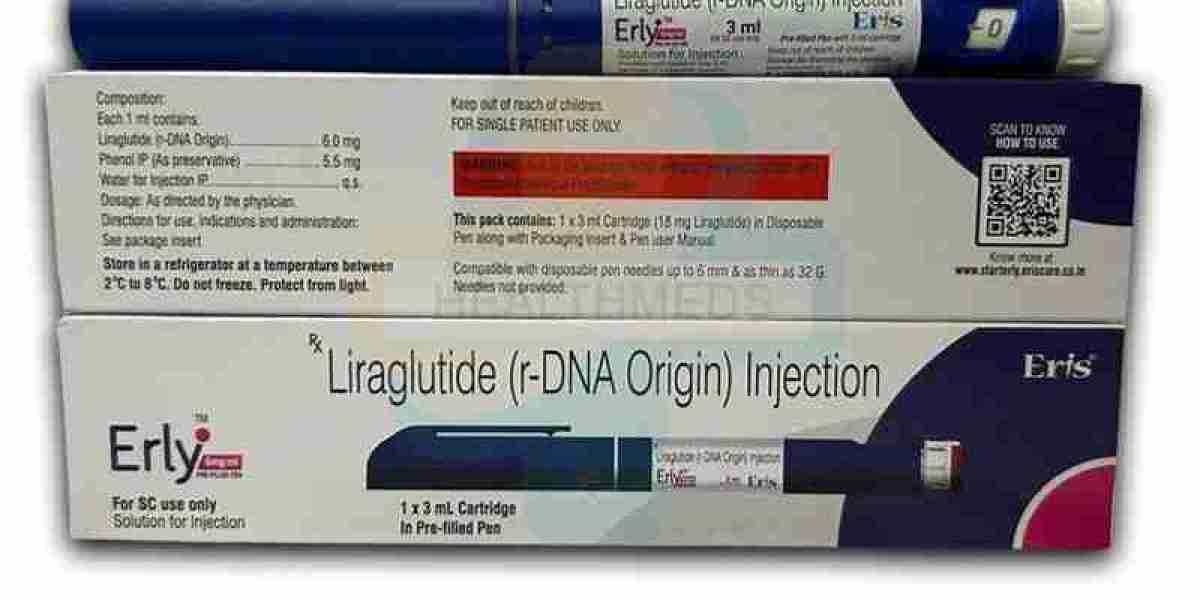
Doctors may prescribe medications such as Erly 6mg to help manage blood glucose levels. Some individuals may also require insulin therapy depending on the severity of the condition.
Blood Sugar Monitoring
Regular monitoring helps patients understand how food, exercise, and medications affect their glucose levels.
Tips for Preventing Type 2 Diabetes
Although not all cases can be prevented, healthy lifestyle choices can lower the risk:
- Maintain a healthy body weight
- Exercise regularly
- Eat nutritious foods
- Avoid smoking
- Limit alcohol consumption
- Manage stress effectively
Final Thoughts
Type 2 Diabetes is a manageable condition when detected early and treated properly. Understanding its causes, symptoms, and treatment options can help individuals take better control of their health. Small lifestyle improvements, combined with proper medical guidance, can make a significant difference in preventing complications and improving quality of life.