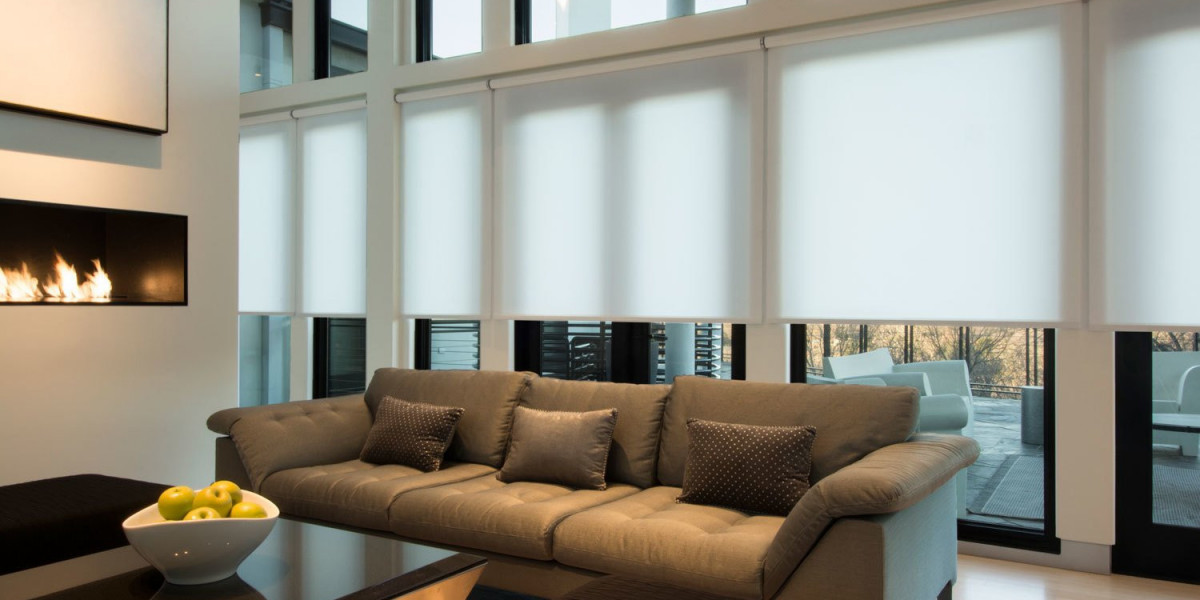

A professional motorized shades installation turns window coverings into predictable building infrastructure rather than a one-off gadget. When installed correctly, motorized shades reduce glare, protect interiors from UV, and coordinate with HVAC to lower energy use—yet the outcome depends far more on installation engineering than on choosing a pretty fabric or a brand name motor. A great installation includes an accurate site survey, engineered tube, motor and support selection, a power plan that suits the home’s lifestyle, careful RF/bridge placement for reliability, commissioning that proves real behavior across seasons, and a maintenance plan that keeps shades quiet and aligned for years. This article walks through those stages in practical detail for homeowners, designers, and installers so you can evaluate proposals and know what to expect.
Why Installation Engineering Matters
The visible fabric is only a small portion of what determines long-term performance. Long spans call for wider tubes and intermediate supports to avoid hem bar twist. Heavy fabrics require higher torque motors sized with an engineering margin; undersized motors run hot, cycle near thermal limits and shorten service life. The headbox and mounting details matter: insufficient blocking or weak fasteners cause chatter, ripped fascia and misalignment. Top installers choose motor torque, tube diameter and end bearings to match both span and lifetime cycles, and they reinforce sites where finish carpentry alone can’t carry loads. This kind of engineering prevents most common failures and keeps shades quiet and consistent in travel speed and timing.
The Site Survey: Measure Everything
A thorough survey is both measurement and anticipation. Installers measure each window at multiple heights to check for out-of-square conditions, reveal depth for inside mounts, and headspace for fascia and brackets. They test door swing, window operation and adjacent hardware to ensure the shade path will never interfere with existing elements. For retrofit jobs the survey identifies retrofit-friendly options and whether outside mounts are preferable. The site survey also includes a radio-frequency sweep to check for Bluetooth, Zigbee, Z-Wave, or Wi-Fi signal at the final motor location so bridges and repeaters can be planned. Lastly, the survey documents the solar orientation and typical sun angles for the room so travel limits and intermediate stops are meaningful across the year.
Motor, Tube, And Support Selection
Two mechanical choices determine long life: tube diameter and support spacing. Wider tubes reduce the effective torque required to roll the fabric and keep hem rails aligned across wide openings. Where walls or windows are exceptionally wide, intermediate supports are used to prevent sag and to keep edges tracking true. Motor torque is selected with margin so motors do not operate near stall under peak conditions. Consideration is given to bearing quality, end-cap design for serviceability, and the motor’s thermal profile. The correct assembly prevents wasted service calls and reduces the noise footprint from binding or motor struggle.
Power Strategies That Fit The Real World
Power is a lifecycle choice, not an aesthetic one. Battery motors are elegantly noninvasive for retrofit projects and avoid electrical permits, but they demand a maintenance cadence and increase the chance of mid-season battery depletion if not monitored. Rechargeable battery motors with accessible charging ports or solar trickle charging reduce replacement frequency and are excellent for moderately used shades. Hardwired installations eliminate battery maintenance and are the right choice for high-traffic or integrated commercial applications; they do require electrical scope and sometimes permit work. Low-voltage bus systems provide a middle ground for multi-shade installations, simplifying wiring and providing centralized surge protection and UPS backup for mission-critical installations. A professional installer presents these options with realistic lifecycle costs and maintenance tradeoffs so homeowners pick what aligns with their tolerance for upkeep.
Controls, Grouping, And Integration
Controls determine daily user experience. Installers design zones and groups so related shades move together (for example, all east-facing living room shades) and they configure soft start/soft stop motion profiles for a quiet, premium feel. Integration with automation hubs lets shades respond to scenes—“Movie Mode” lowers a particular bank, “Away” secures edges, and “Heat Of Day” lowers shades based on solar angle. Bridge placement is critical for reliability: place the bridge for radio range, and avoid hiding it in furniture or metal cabinets where signal can be blocked. Local-first automation strategies ensure core behaviors like local control and scheduled movement survive temporary cloud outages.
RF, Wi-Fi, And Mesh Planning
Wireless planning is not optional. Many shade failures are connectivity issues where a motor can’t hear its bridge or hub. Professional teams test the actual RF environment and plan repeaters or wired hubs as needed. For mesh protocols like Z-Wave or Zigbee, hub placement ensures enough mesh nodes or repeaters. For Wi-Fi motors, the installer balances signal strength with power consumption. Ensuring the controller is on the same VLAN and part of a managed network keeps the control path robust and manageable by IT — a small detail that prevents a lot of “the app won’t work” tickets.
Commissioning: Test In The Real World
Commissioning proves the system under realistic usage. This means setting travel limits so the fabric doesn’t rub against jambs at high sun angles, synchronizing multi-motor banks to within perceptible tolerance, confirming safety features like object detection or torque limits, and testing manual override methods. Commissioning also includes a short observation period where the installer watches movements across set scenes and checks for binding in temperature extremes or under cross-breeze conditions. The commissioning report includes final travel endpoints, motor details, and the provisioning of user access. Proper commissioning reduces callbacks and ensures the shade behaves predictably across seasons.
Aesthetics, Fascia, And Finish
Great installation blends engineering and finish carpentry. Fascias should be serviceable, allowing access to the motor for limit adjustments without dismantling trim. Concealed mounting and tight tolerances around windows preserve interior aesthetics. Installers who coordinate with carpenters and millworkers avoid late-stage trim damage and produce clean sightlines. The best projects marry mechanical robustness with finish quality so the hardware becomes invisible and the fabric becomes the visible expression of design.
Noise, Speed, And Human Perception
Motion profiles impact perception. Faster travel feels less luxurious and increases mechanical stress and noise; slower, damped motion with soft start/stop feels premium and reduces the chance of fabric whip on large spans. Motor deceleration and gentle acceleration reduce jerk and avoid scuffing. Noise ratings are not the whole story—how a motor harmonically interacts with the tube and mounting structure determines whether sounds are objectionable. Installers tune speeds to context: bedroom shades run slower and quieter, while garage or service shades may prioritize speed.
Maintenance And Firmware Lifecycle
A modest maintenance plan extends life dramatically. For battery installations schedule battery health checks and replacements before failure windows. For wired systems include annual inspections to re-verify limits, bearing integrity and firmware versions. Avoid uncontrolled auto-updates for motor controllers that drive critical scenes; staged updates let installers verify that new logic and control API changes won’t disrupt automation. Maintain an inventory of spare end caps, motors for identical models, and quick access to replacement fabrics for high-wear spaces.
Troubleshooting Common Failure Modes
Most recurring issues have simple origins: binding from seasonal door/frame movement, poor bridge placement causing intermittent control, hem bar twist from insufficient tube support, or motor under-specification for fabric weight. Troubleshooting begins with a mechanical inspection—check for loose brackets, verify tube straightness and measure current draw. For connectivity issues, test RF strength at the shade location and verify mesh health. Applying a structured troubleshooting workflow prevents expensive and unnecessary part replacements.
ROI, Energy, And Comfort Benefits
Motorized shades repay cost through reduced cooling loads, lower glare complaints and improved sleep by reliably controlling morning light for bedrooms. When paired with HVAC controls and occupancy detection, shades reduce peak cooling demand and smooth daily energy curves. The payback is not only financial; quiet, automatic shading improves daily comfort and reduces friction in household routines.
Selecting The Right Installer
Choose an installer who performs a thorough survey, publishes the mechanical spec (tube diameter, motor torque, bearing type), proposes a clear power strategy and includes commissioning in the base price. Ask for portfolio images showing finished fascias and ask about follow-up maintenance plans. Avoid installers who shortcut blocking, hide the bridge in tight cabinets, or omit commissioning and documentation.
Conclusion
A high-quality motorized shades installation is planning, engineering and human-centered tuning. When those elements come together the shades stop being an occasional novelty and become dependable infrastructure that quietly improves comfort and energy performance. Insist on survey-driven proposals, correct motor and tube engineering, clear power strategies, deliberate RF planning, and commissioning that proves real behavior across seasons — and your shades will be the kind of feature that adds value every day.