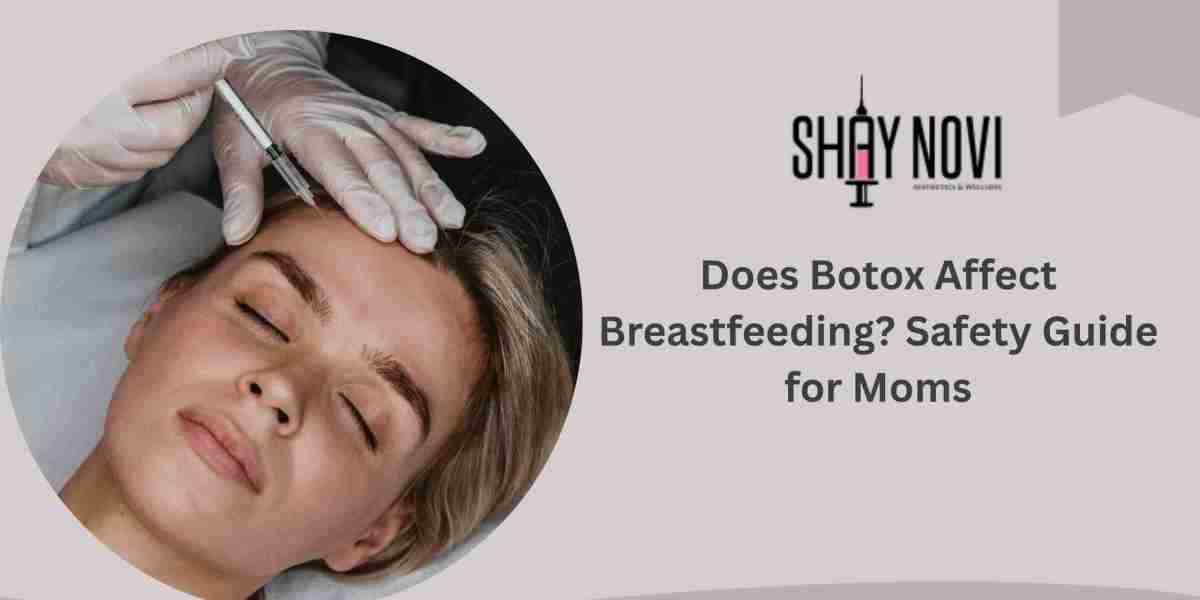

After pregnancy, many new mothers begin to focus again on their own health, confidence, and appearance. It is completely natural to want to feel good about yourself after the physical and emotional changes of childbirth. One treatment that often comes up in this stage is Botox, which is commonly used to reduce fine lines and wrinkles.
But if you are breastfeeding, the situation becomes more sensitive. Anything you put into your body may raise concerns about your baby’s safety, and that is where confusion starts. A common question many mothers ask is: Does Botox affect breastfeeding, or can it affect my baby?
You should clearly understand what is known, what is not fully confirmed, and what doctors generally recommend.
Understanding Botox: What It Is and How It Works
Botox is a medical treatment made from a purified form of botulinum toxin protein. It is given in very small, carefully controlled doses by trained doctors. Although the word “toxin” may sound concerning, the amount used in Botox is extremely low and considered safe when used properly. It works through small injections placed into specific muscles or areas of the skin. Botox blocks nerve signals that cause muscles to contract, which makes the muscles relax temporarily.
Because of this effect, Botox is used for both cosmetic and medical purposes. In cosmetics, it helps reduce fine lines and wrinkles, especially on the forehead, between the eyebrows, and around the eyes. Medically, it is used to treat conditions like migraines, muscle spasms, excessive sweating, and some nerve disorders.
The results are not permanent and usually last for a few months before muscle activity gradually returns to normal.
Is Botox Safe While Breastfeeding?
This is the most important question for new mothers.
Botox is also a large protein molecule. This makes it even harder for it to pass into breast milk in meaningful amounts. Even if a very tiny amount were to enter the bloodstream, it would likely be broken down by the body before reaching breast milk.
However, it is important to understand one key point:
There is very limited research specifically studying Botox in breastfeeding women. This means doctors do not have strong clinical data to say it is completely risk-free. Because of this, most medical experts take a cautious approach. They do not say Botox is dangerous during breastfeeding, but they also do not fully guarantee it is fully safe.
Is It Better to Wait Until After Breastfeeding?
In most situations, waiting until you finish breastfeeding is the safest and simplest choice.
If Botox is only for cosmetic reasons and not medically necessary, many doctors suggest postponing it. This approach removes even the smallest possible risk and gives complete peace of mind during an important stage of your baby’s growth. Breastfeeding is a sensitive time, and many mothers prefer to avoid any treatments that are not essential. Choosing to wait can also help reduce stress and uncertainty, which is beneficial for both you and your baby.
That said, if you are still considering Botox while breastfeeding, it’s important to speak with a qualified healthcare professional first. Based on these details, your doctor can guide you toward the safest and most appropriate decision.
What If You Already Had Botox While Breastfeeding?
Based on current medical understanding, Botox is used in very small amounts and stays mostly in the area where it is injected. It is unlikely to enter the bloodstream in significant levels or pass into breast milk in a way that could harm your baby. So far, there are no confirmed reports showing serious effects on breastfeeding infants.
In most cases, mothers continue breastfeeding without any problems after receiving Botox.
- Stay calm and don’t stress.
- Continue breastfeeding as usual.
- Keep an eye on your baby for any unusual signs (which are very unlikely)
Speak with your doctor if you have any concerns or need reassurance.
Additional Safety Considerations
1. Be Extra Careful in the Early Breastfeeding Stage
The first few months after birth are very sensitive for your baby. During this time, your baby relies completely on breast milk for nutrition. Because of this, it is safer to avoid any non-essential treatments like Botox unless truly needed.
2.Consider Your Baby’s Health Condition
If your baby is premature or has any health issues, extra caution is important. Babies with weaker or developing immune systems may be more sensitive, so avoiding unnecessary procedures is the better choice.
3.Choose a Qualified Medical Professional
If you decide to go ahead with Botox, always consult an experienced and licensed doctor. Proper technique, correct dosage, and safe handling reduce any possible risks.
4.Avoid Repeated or Unnecessary Treatments
It is best to limit Botox use during breastfeeding. Avoid frequent or repeated sessions unless there is a medical reason. Keeping treatments minimal helps reduce even small risks.
5.Understand Individual Body Differences
Every person’s body reacts differently. Factors like overall health, metabolism, and sensitivity can affect how your body responds. That’s why getting personalized advice from a doctor is very important.
Final Conclusion
Botox is a commonly used treatment and is generally considered safe when administered in small, controlled doses. When it comes to breastfeeding, current knowledge suggests that it is unlikely to pass into breast milk in harmful amounts, and no serious effects have been reported in babies. However, there is still limited research available, which means its safety is not fully confirmed.
Because of this uncertainty, most doctors recommend taking a cautious approach. If the treatment is not medically necessary, waiting until breastfeeding is complete is the safest option. If you are still considering Botox, it is always best to consult a qualified doctor who can guide you based on your individual situation.
Frequently Asked Questions
1. Can Botox pass into breast milk?
It is unlikely to pass into breast milk in significant amounts.
It is unlikely to pass into breast milk in significant amounts.
2. Is Botox harmful to breastfeeding babies?
No proven harm has been reported, but research is limited.
No proven harm has been reported, but research is limited.
3. When can I safely get Botox after pregnancy?
The safest time is after you finish breastfeeding.
The safest time is after you finish breastfeeding.
4. Do I need to stop breastfeeding after Botox?
Usually not, but follow your doctor’s advice.
Usually not, but follow your doctor’s advice.