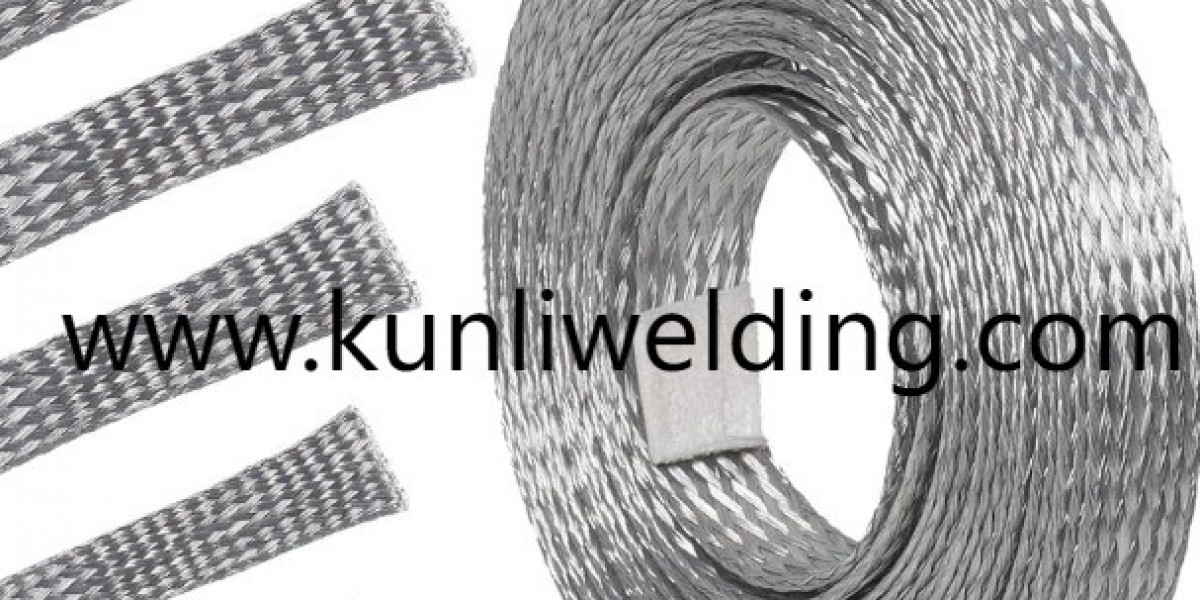

Electrical system designers face numerous decisions when specifying conductors for demanding applications. Material selection involves more than choosing between copper and aluminum or determining appropriate cross sectional areas. Surface treatments applied during manufacturing significantly impact long term performance and suitability for specific environments. Aluminum Braided Wire Manufacturers offer both standard and tinned versions of their products, creating selection questions for engineers unfamiliar with the practical differences. Knowing when tinned surfaces provide meaningful advantages helps optimize conductor specifications for particular operating conditions.
Corrosion resistance represents the primary motivation for applying tin coatings to aluminum conductors. Aluminum naturally forms oxide layers when exposed to oxygen, creating thin insulating films on metal surfaces. While these oxide layers provide some protection against further corrosion, they also increase electrical resistance at connection points and between strands in braided assemblies. In benign environments with minimal moisture and contaminants, standard aluminum surfaces perform adequately throughout expected service life. However, installations exposed to harsh atmospheric conditions face accelerated corrosion that degrades electrical performance over time.
Marine environments present particularly aggressive corrosion challenges for untreated aluminum. Salt laden air and direct spray create conditions that penetrate standard oxide protection and attack underlying metal. Galvanic corrosion accelerates when aluminum contacts dissimilar metals in the presence of electrolytes. Tin plating creates a barrier between aluminum and corrosive elements, substantially extending conductor life in coastal or shipboard applications. The additional cost of tinned conductors becomes justified when balanced against reduced maintenance and replacement expenses in corrosive atmospheres.
Chemical processing facilities and industrial plants often contain airborne contaminants that attack bare metal surfaces. Acids, bases, and various organic compounds interact with aluminum oxide, compromising its protective qualities. Standard conductors in these environments experience surface degradation that increases contact resistance and creates reliability concerns. Tinned versions resist chemical attack more effectively, maintaining stable electrical characteristics despite exposure to process chemicals. Facilities with stringent uptime requirements benefit from the added durability that surface treatment provides.
Temperature extremes influence the protective effectiveness of both natural oxide layers and applied coatings. Elevated temperatures accelerate oxidation rates on bare aluminum, particularly in the presence of moisture. Standard conductors operating at higher temperatures may develop thicker oxide layers that interfere with electrical contact. Tin coatings remain stable across broader temperature ranges and continue providing protection where natural oxide formation becomes problematic. Applications involving sustained high temperature operation warrant consideration of tinned alternatives.
Soldering requirements at termination points strongly favor tinned conductors over bare aluminum. Aluminum oxide films interfere with solder wetting, making reliable solder connections difficult to achieve without special fluxes and techniques. Tin surfaces accept standard solders readily, creating sound mechanical and electrical bonds using conventional soldering methods. Installations where soldered terminations are preferred or required essentially mandate tinned conductors to ensure connection reliability. The solderable surface simplifies assembly processes and improves connection consistency across multiple joints.
Contact resistance at compression fittings and crimp terminals behaves differently with tinned versus bare aluminum. Fresh bare aluminum surfaces provide good electrical contact initially, but oxide formation over time increases interface resistance. Periodic maintenance to break through oxide layers and restore low resistance contact becomes necessary in critical applications. Tin coated strands maintain lower contact resistance throughout service life without requiring intervention. The stable interface characteristics reduce maintenance burden and improve long term reliability.
Strand to strand contact within braided assemblies affects overall conductor resistance and current carrying capacity. In standard braided wire, oxide layers between touching strands create numerous high resistance interfaces throughout the assembly. Tinned strands establish better electrical contact at crossing points, reducing overall resistance compared to equivalent untreated constructions. This improved conductivity can enable higher current ratings or allow smaller conductor cross sections for given current requirements.
Cost considerations naturally influence conductor selection decisions. Tinning adds manufacturing steps and material expense, increasing unit cost compared to standard versions. Budget constrained projects in benign environments may reasonably select untreated conductors when corrosion risks remain low. However, life cycle cost analysis often reveals that tinned conductor premiums represent small fractions of total installation expenses. Avoiding single premature failure often justifies the incremental material cost through reduced downtime and replacement labor.
Flexibility and mechanical properties change slightly with tin coating application. The thin metallic layer adds minimal stiffness to individual strands, leaving overall assembly flexibility essentially unchanged. Fatigue resistance in flexing applications remains comparable between tinned and standard versions. The coating does not compromise the vibration tolerance and motion accommodation properties that make braided construction attractive for dynamic installations.
Visual inspection and quality control become easier with tinned conductors. The bright metallic appearance of tin contrasts with the gray appearance of bare aluminum, making surface defects or damage more apparent during installation and maintenance. Strand breakage or insulation wear reveals itself more clearly against tinned surfaces. This inspection advantage helps identify developing problems before they escalate into failures.
Storage and shelf life considerations favor tinned conductors in situations where material might remain in inventory for extended periods. Bare aluminum can develop heavier oxide layers during storage, particularly in humid conditions. Tinned versions resist storage degradation and emerge from inventory ready for immediate use without surface preparation. Organizations maintaining strategic spares or emergency replacement stock benefit from the extended shelf stability. For guidance on selecting appropriate conductor treatments based on specific application requirements and environmental conditions, technical resources and quality products are accessible at https://www.kunliwelding.com/ .