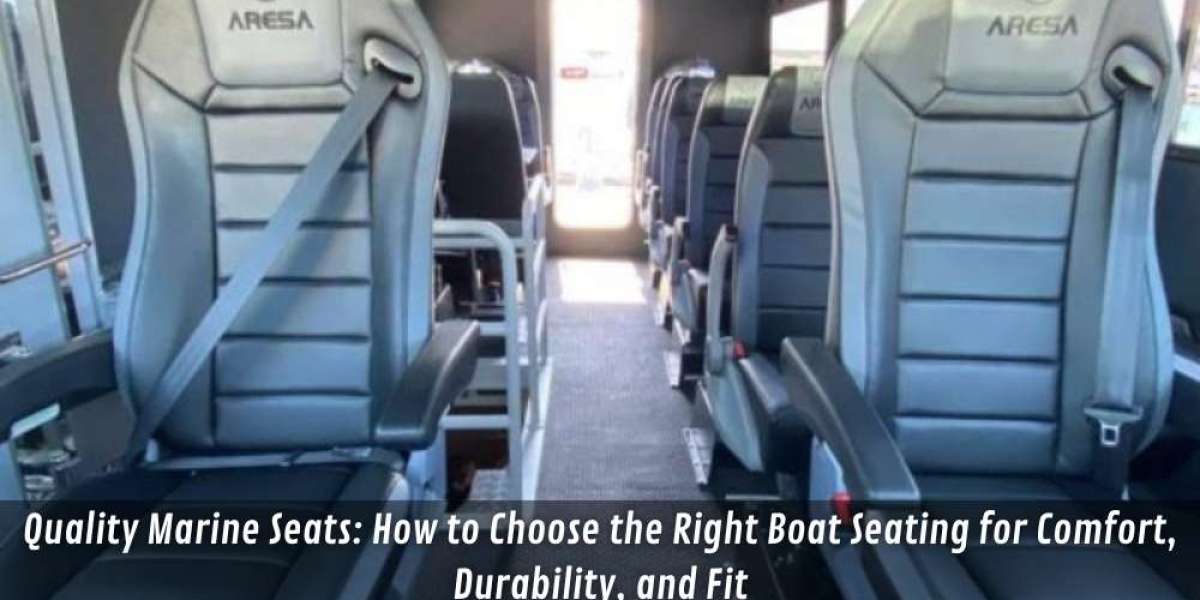

Boat seats don’t usually fail in a dramatic way.
They fail slowly: stitching starts to go, vinyl hardens, hinges loosen, foam compresses, and the “comfortable” helm seat becomes the one everyone avoids.
That’s why people searching to discover quality marine seats are often trying to solve two problems at once: comfort on the water and durability in a harsh environment.
Marine seating lives in sun, salt, spray, fish slime, sunscreen, and constant movement.
So the right seat is less about how it feels in the showroom and more about how it holds up after a season of real use.
This guide explains what quality marine seating actually means, common failure points, decision factors that matter, and a simple plan for upgrading seats without buying the wrong thing twice.
What does quality mean for marine seating
“Quality” in marine seats is mostly about consistency over time.
A seat can feel great on day one and still be a poor choice if it can’t handle UV, salt exposure, frequent wet-dry cycles, and hard use.
Here’s what tends to define quality in a practical way.
Material performance in the real environment
UV resistance, salt tolerance, and how the surface behaves when it’s hot, wet, or sticky.
Comfort that lasts, not just softness
Foam and support should hold shape and remain supportive, rather than collapsing into pressure points.
Hardware that doesn’t become the weak link
Hinges, mounts, sliders, and fasteners need to stay stable, not develop play or corrosion.
Fit with your vessel and how you use it
A fishing setup, a ski boat, a runabout, and a charter vessel can all need different seat types and layouts.
Maintenance practicality
The best seat is often the one you can keep clean, keep dry, and keep tight without a fuss.
The big trade-off is that comfort features and ruggedness need to be balanced.
A plush seat can be great until it becomes a water trap or until the mechanism rattles after rough days.
The common failure points in boat seats
When marine seats start looking tired, it’s usually one of these problem areas first.
UV damage and surface breakdown
The sun is brutal. Surfaces fade, harden, crack, or become sticky, especially if the boat is stored outdoors.
Once the surface breaks, moisture gets in and the decline speeds up.
Foam compression and “bottoming out”
Foam can compress and stop rebounding, leading to discomfort and a seat that feels flat and unsupportive.
This is common where the same seat is used for long runs or constant helm time.
Corrosion and loose hardware
Salt exposure and moisture can corrode fasteners and hardware or cause movement at the mount points.
A loose mount doesn’t just feel annoying; it can change posture and reduce confidence when the boat’s moving.
Water ingress and mould smells
Seats that trap water or don’t dry well can develop odours and surface issues.
Water management is often overlooked until the seat starts feeling damp, even on a dry day.
Stitching and seam failure
Seams take stress, especially with repeated entry and exit, plus exposure to salt, fish, and cleaning chemicals.
Once stitching goes, the seat cover can fail quickly.
The warning signs are usually clear: wobbles, squeaks, softness, seams lifting, or patches that never seem to dry.
If those signs are showing, it’s usually cheaper to plan an upgrade than to keep patching.
Common mistakes when upgrading marine seats
Most seat upgrade regrets come from choosing based on appearance or price without checking fit and use case.
Mistake 1: Buying for looks first.
A seat can match the boat and still be wrong for the posture, mounting, or wet conditions you actually deal with.
Mistake 2: Forgetting how the seat will be used.
If the seat is for the helm and you do long runs, support matters more than a soft first sit.
Mistake 3: Not confirming mounting compatibility.
A seat that doesn’t match your pedestal, slide, or base can create delays and improvised installs.
Mistake 4: Ignoring how the seat drains and dries.
If it traps water, the “upgrade” becomes a maintenance headache.
Mistake 5: Underestimating storage and sun exposure.
Outdoor storage changes the material demands dramatically.
Mistake 6: Replacing one seat without considering the set.
Sometimes the new helm seat makes the passenger seat feel worse, and the mismatch becomes obvious fast.
Decision factors: selecting seat type, materials, and mounting
This is the decision framework that helps you buy once.
1) Seat type and role
Start with what the seat needs to do.
Helmets usually need stability, support, and often adjustability.
Passenger seats often need comfort and practical entry/exit.
Fishing and deck seating need durability and easy cleaning.
Commercial use benefits from serviceable, repeatable choices.
2) Material choice for your conditions
Think about where the boat lives.
If the boat is stored outside, UV resistance and surface durability become top priorities. If you’re regularly exposed to salt spray, hardware and fasteners matter more than “soft touch.”
3) Mounting and fitment
This is where upgrades can go sideways.
Confirm:
pedestal or base type
bolt patterns and clearances
whether a slide is required
seat height and visibility at the helm
steering and throttle reach once seated
A good seat that forces a poor driving position isn’t a good seat.
4) Comfort over time
Comfort isn’t only about cushion thickness.
Look for support that keeps posture stable during long runs and rougher water, and avoids pressure points after hours of sitting.
5) Maintenance and cleaning reality
If you fish hard or have kids on board, you’ll clean seats often.
Choose materials and shapes that are easy to wipe down, don’t trap grime, and won’t punish you for normal use.
6) Replacement planning and repeatability
If you have multiple boats or a commercial fleet, repeatability matters.
A standard seat choice can simplify maintenance and reduce downtime, even if it isn’t the most “custom” option.
Simple 7–14 day first-action plan to upgrade boat seating
This plan is designed to stop impulse buying and make the upgrade smooth.
Days 1–2: Define the pain.
Write down what’s wrong with the current seating: wobble, compression, heat, wetness, cracking, poor posture, or difficulty cleaning.
Days 3–5: Measure and photograph.
Measure mounting points, seat height, and clearances. Take photos of bases, pedestals, and surrounding space so fitment decisions aren’t guesses.
Days 6–7: Choose your priorities.
Pick the top three: support, UV durability, easy clean, fast dry, adjustability, or matching appearance.
Days 8–10: Compare options against your use case.
Shortlist seat types that match the role (helm vs passenger vs deck) and the storage conditions.
When you’re ready to compare styles and confirm mounting needs, discover quality marine seats as a practical reference for narrowing options.
Days 11–14: Plan installation and protection.
Confirm what hardware is required, plan how the seat will be protected when not in use, and decide whether covers or shade solutions are part of the upgrade.
A seat upgrade pays off most when the install is clean and the protection plan is realistic.
Realistic plans are what keep new seats looking new.
Operator Experience Moment
A pattern I’ve seen is that people regret buying “the nicest-looking seat” when they didn’t first check height, reach, and mount stability. Once you’re on the water, comfort becomes posture and confidence, not styling. The best upgrades usually start with measurements and use cases, then the selection comes last.
Local SMB mini-walkthrough (Australia-wide)
A small charter operator replaces helm seats after repeated complaints about wobble and fatigue.
They measure pedestal mounts and confirm clearances before ordering anything.
They choose materials that handle sun exposure and frequent cleaning between trips.
They standardise one seat type across boats to simplify spares and maintenance.
They schedule installation between bookings to avoid downtime during peak periods.
They add a simple protection routine so seats dry properly and last longer.
Practical opinions
Buy for fit and durability first, then choose the finish that matches the boat.
Measure mounting and driving position early, because retrofitting costs time and money.
If the boat lives outdoors, prioritise UV and hardware quality over “soft feel.”
Key Takeaways
Quality marine seats are defined by durability, stable hardware, and comfort that holds up over time.
The most common failures are UV breakdown, foam compression, corrosion, and water trapping.
Mounting compatibility and driving posture matter as much as materials and styling.
A short 7–14 day plan reduces wrong orders and makes upgrades smoother.
Common questions we hear from businesses in Australia Wide
1) How do I know if I should repair my existing seat or replace it?
Usually, replacement makes more sense once the foam has collapsed, the hardware is loose, or the surface is cracking and letting moisture in. A practical next step is to check whether the seat feels stable at the mount and whether it rebounds after pressure rather than staying “dented.” In most cases across Australia, outdoor storage and sun exposure speed up surface and foam wear.
2) What matters more: material choice or seat design?
It depends on how you use the boat, but in most cases, you need both the right material for the environment and the right design for posture and access. A practical next step is to list your top three needs (support, fast dry, easy clean, UV durability, adjustability) and choose seats that match those first. In Australia, UV exposure is often a bigger factor than people expect, especially for boats stored uncovered.
3) Can I swap seats without changing the pedestal or base?
Usually, you can, but only if mounting patterns, clearances, and seat height work with your existing setup. A practical next step is to measure bolt spacing and take photos of the base and surrounding area before ordering. In most cases, Australian boats vary widely in helm layout, so a quick fitment check prevents expensive returns or improvised installs.
4) How do I keep new marine seats looking good for longer?
In most cases, the best protection is routine: rinsing salt off, letting seats dry properly, and reducing direct sun exposure when the boat is stored. A practical next step is to add a simple post-trip wipe-down and consider covers or shade as part of the upgrade. In many Australian locations, heat and UV are relentless, so small habits make a noticeable difference over a season.