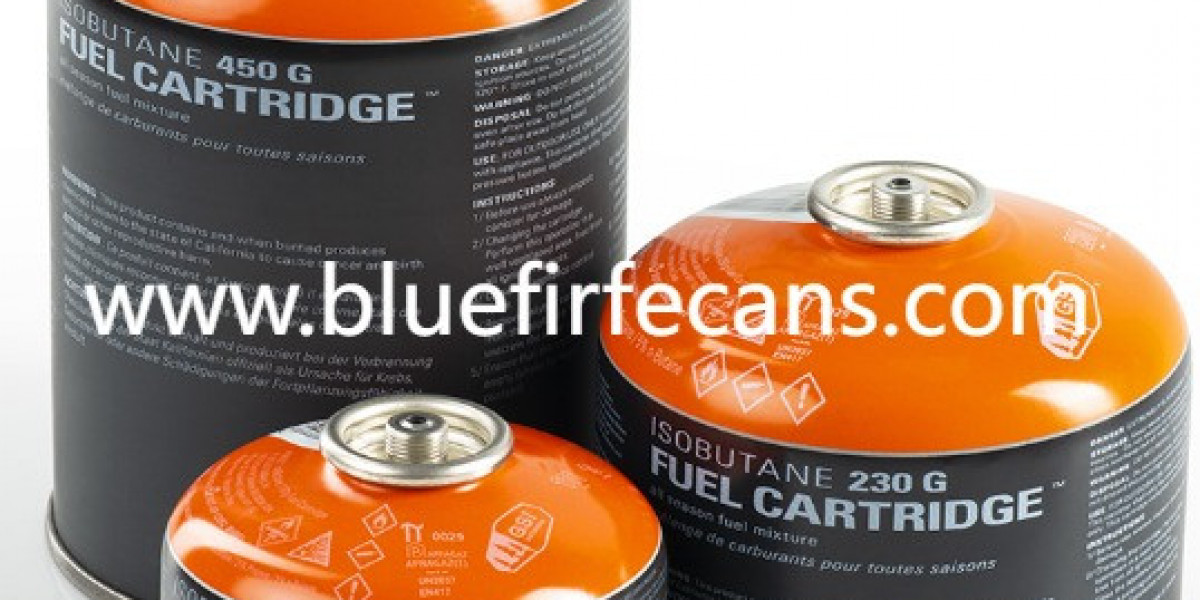

When you are about to fit a fuel source to a stove a quick safety check can prevent a weekend disruption or a serious incident. The Bluefire 230g Screw Top Gas Canister deserves a focused inspection before use because valve condition and can integrity determine how safely the appliance will perform. A few careful observations and simple hands on checks give campers, retailers and technicians alike the confidence to proceed with a routine install.
Begin with a visual sweep. Look at the can body under good light to spot dents scratches or areas where the finish looks uneven. Pay special attention to the shoulder and the neck where impacts may concentrate. Any visible deformity near the valve seat is a signal to set that unit aside for further review. Surface corrosion or signs of prior repair are also reasons to avoid use until a qualified technician has assessed the unit.
Next examine the valve area and the screw top interface. The valve should sit true and flush with the neck of the can. If it tilts or shows gaps the mating surface that seals under pressure may not seat correctly. Check that the thread on the screw top is clean and free of burrs and that any protective cap fits snugly. A cap that rattles or does not engage fully may mean the thread or the cap is damaged and the can should not be fitted to a stove.
Listen and smell with caution. Hold the can close but not directly against your face and perform a gentle auditory check near the valve while you slightly move the can. A faint hiss or the scent of fuel suggests a leak. Do not try to patch a leaking unit. Instead place it in a safe ventilated area away from heat and contact an authorised service centre for disposal or return instructions. Remember that small leaks can be invisible at first but create hazards when the can is placed inside a closed bag or vehicle compartment.
Perform a light tactile test. With the protective cap on press gently around the valve base and feel for looseness. The valve assembly should be firm and not wobble. Avoid using excessive force. If any movement is detected the internal locking mechanisms may be compromised and the can should be quarantined. For threaded screw top systems test engagement by fitting the cap or a spare fitting by hand then unscrewing it. Smooth engagement and disengagement without play are signs of proper mating.
Inspect packaging and transport signs as part of your pre use routine. If the carton shows crushing or holes the can inside may have been impacted during handling. Suppliers who standardise inner carriers and protective foam reduce the chance of valve damage. When buying from retail check that packaging is intact and that the batch coding and any inspection stickers match supplier documentation. That level of traceability makes it easier to sort out suspect lots if a pattern of damage appears.
Consider context and recent handling. If the can sat in a hot vehicle for long periods or was shipped in rough conditions the internal pressure may be higher and the valve may be under different stress than normal. Store units in a controlled cool location when possible and avoid sudden temperature swings before use. If a can has been subject to harsh handling return it to the store or supplier rather than using it in the field.
For field checks at a campsite take a few extra precautions. Set the can on a stable surface before attaching a stove and keep open flame sources well away during fitting. Attach the stove fitting by hand and watch for any signs of bubbling or unexpected sounds when the connection is made. After opening the supply slowly observe the flame and the appliance for even burn. If the flame is irregular or sputters remove the can and inspect again from a safe distance.
Training and staff routines matter for retailers and rental operations. Teach staff a short checklist to follow when accepting deliveries and to use at the point of sale. A quick acceptance routine that includes visual inspection, thread check and packing verification prevents damaged units from reaching customers. For rental fleets a return inspection should check for dents and valve play and log any issues so corrective measures can be taken quickly.
When you encounter a damaged unit have a clear response plan. Isolate the can in a ventilated safe area, record the batch code and supplier details and follow supplier guidance for returns or disposal. Many suppliers operate take back programs or will advise an authorised recycler. Keeping records of damage helps procurement and quality teams identify transport or handling problems upstream.
Procurement teams can reduce on the ground problems by specifying packing standards and requesting photos of pallet builds from suppliers. Inner carriers that secure the valve and carton formats that prevent compression during stacking reduce real world damage. When suppliers share packing notes and inspection summaries buyers can design receiving checks that align with supplier processes and reduce delays.
A routine pre use check is a small investment that pays back in safety and reliability. By combining a visual inspection thread and cap checks sound and smell cues and simple engagement tests you can catch the majority of issues before they become incidents. For stores and rental fleets a consistent checklist and clear return protocols minimize customer disruption and protect staff. For technicians and buyers who want to review product specifications packing options and supplier production notes consult the manufacturer resources at https://www.bluefirecans.com/ .