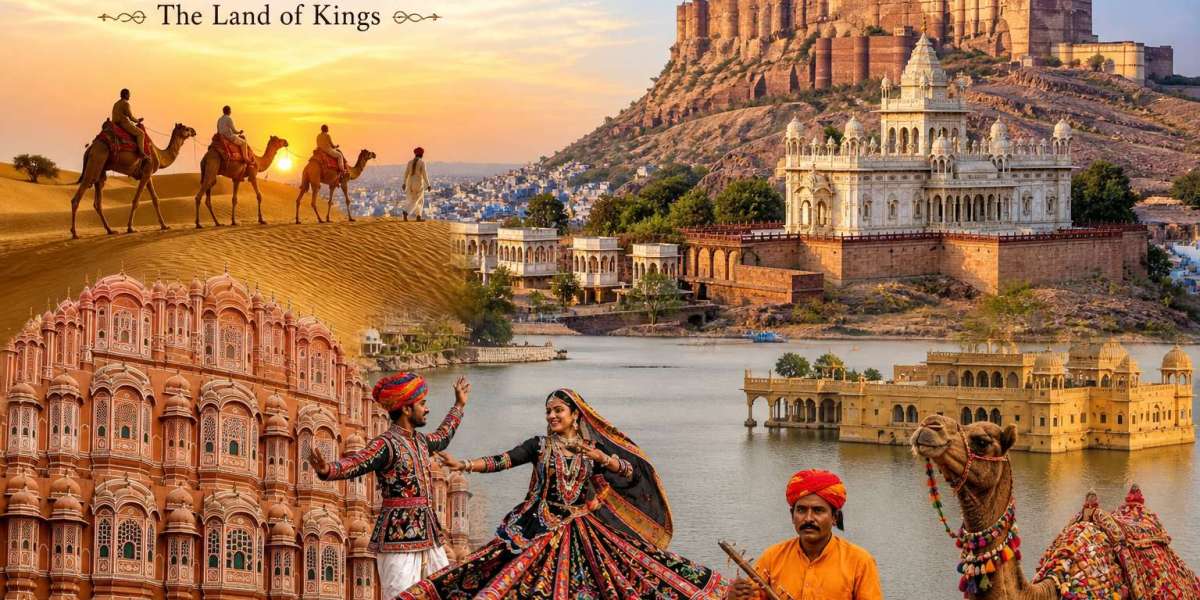

Rajasthan: Where History Still Breathes in Every Grain of Sand
Rajasthan is not just a geographical region on the map of India; it is a living narrative of courage, color, and culture. Unlike modern destinations that rely on artificial attractions, Rajasthan offers authenticity shaped by centuries of royal rule and desert survival. Every fort, street, and village carries echoes of the past, making the state feel less like a place to visit and more like a story to experience in real time.
The Desert That Shapes Identity, Not Limits Life
The Thar Desert defines Rajasthan’s physical identity, but it does not define its limitations. Instead, it has shaped a culture of resilience and innovation. People have learned to live with scarce water, extreme temperatures, and shifting sands. Traditional homes with thick walls, stepwells, and rainwater harvesting systems show intelligent adaptation. The desert is not empty land; it is a powerful ecosystem that has influenced lifestyle, architecture, and social structure.
A State Built on Royal Foundations
Rajasthan’s identity is deeply rooted in its royal past. Rajput kings ruled with a sense of pride, honor, and resistance that still defines local culture. Unlike many historical regions where royal influence has faded, Rajasthan preserves its legacy through forts, palaces, and oral traditions. The idea of dignity and bravery is not just historical—it continues to influence how people perceive themselves and their heritage even today.
Forts That Feel Like Frozen Time
The forts of Rajasthan are not ruins; they are preserved timelines. Amer Fort, Mehrangarh Fort, Jaisalmer Fort, and Kumbhalgarh Fort each represent a different chapter of warfare, governance, and architectural mastery. These structures were built strategically on hills and deserts, designed for defense and dominance. Walking through their corridors feels like stepping into centuries where kings planned battles and shaped the destiny of entire regions.
Explore our complete Rajasthan family tour package for a comfortable, well-planned trip across the state.
Cities That Carry Distinct Personalities
Each city in Rajasthan feels like a separate world with its own identity. Jaipur is structured and royal, Udaipur is calm and romantic, Jodhpur is bold and vibrant, while Jaisalmer feels mystical and golden. Unlike modern cities that often feel similar, Rajasthan’s cities are shaped by history, geography, and culture. This diversity within a single state makes traveling across Rajasthan feel like exploring multiple countries in one journey.
Culture That Exists Beyond Performances
In Rajasthan, culture is not staged for tourists—it is lived daily. Traditional attire, turbans, jewelry, and mirror work clothing are part of everyday identity. Folk music is not just entertainment but storytelling, often passed through generations. Dance forms like Kalbeliya are expressions of community memory. Even language carries poetic rhythm, reflecting emotions tied to land, struggle, and celebration. Culture here is not preserved in museums; it is actively practiced.
Festivals That Turn Time Into Celebration
Festivals in Rajasthan are not occasional events; they are emotional cycles of life. Teej celebrates monsoon joy, Gangaur honors relationships, and Pushkar Fair transforms an entire town into a global cultural gathering. These festivals are deeply connected to nature, agriculture, and community bonds. Streets fill with colors, music, and rituals, creating an atmosphere where tradition and joy merge seamlessly into everyday existence.
Check out our Rajasthan tour packages from Mumbai for a seamless travel experience.
Food That Tells a Story of Adaptation
Rajasthani cuisine is shaped by necessity and creativity. In a land where water and fresh produce are limited, food evolved to be durable, spicy, and nutrient-rich. Dishes like Dal Baati Churma and Ker Sangri are not just recipes but survival innovations. Spices play a central role, both for flavor and preservation. The cuisine reflects how hardship can transform into culinary richness and cultural identity.
Artisans Who Keep Heritage Alive
Rajasthan’s artistic tradition is carried forward by its artisans rather than institutions. Blue pottery, block printing, miniature paintings, and gemstone crafting are skills passed down through generations. These crafts are not mass-produced commodities; they are detailed works of patience and identity. Every product carries human touch, reflecting the dedication of families who have preserved these skills despite changing economic conditions.
Wildlife Hidden Beyond the Desert Image
While deserts dominate perception, Rajasthan also supports rich wildlife ecosystems. Ranthambore National Park is known for tigers, while Keoladeo National Park attracts migratory birds from across continents. These regions show that Rajasthan is not ecologically one-dimensional. Forests, wetlands, and protected areas reveal a quieter, greener side of the state that contrasts beautifully with its arid identity.
Spiritual Diversity Without Boundaries
Rajasthan is a land where multiple faiths coexist peacefully. Hindu temples, Jain shrines, and Sufi dargahs exist within close geographical proximity. Pushkar, Ajmer, and Mount Abu represent different spiritual traditions that attract pilgrims from across the world. This diversity reflects tolerance and shared cultural space, where spirituality is not divided but experienced in multiple forms of belief and devotion.
Markets That Reflect Living Culture
Markets in Rajasthan are not just commercial zones; they are cultural ecosystems. From Johari Bazaar’s gemstones to Jodhpur’s spice markets, every street reflects regional identity. These spaces are filled with color, negotiation, tradition, and craftsmanship. Shopping here becomes an interaction with culture rather than a transactional activity. Every item carries a story of origin, skill, and tradition.
Tourism as a Cultural Bridge
Tourism in Rajasthan plays a deeper role than economic contribution. It acts as a bridge between cultures. Visitors don’t just observe monuments; they engage with traditions, food, music, and daily life. Heritage hotels, desert camps, and guided tours create immersive experiences that preserve history while making it accessible. This interaction helps sustain cultural practices while connecting Rajasthan to the global world.
A State in Constant Transition
Modern Rajasthan is evolving rapidly while maintaining its cultural foundation. Cities are expanding with infrastructure, education, and digital industries. Yet, this growth does not erase heritage; instead, it integrates with it. Ancient forts stand near modern roads, and traditional crafts coexist with contemporary design markets. This balance between preservation and progress defines Rajasthan’s current identity.
Travel Better with Tripspray
Conclusion: Rajasthan as an Experience, Not Just a Destination
Rajasthan cannot be fully understood through brief descriptions or short visits. It is an emotional and cultural experience that unfolds slowly. Its deserts teach resilience, its cities tell stories, and its people preserve traditions without forcing them into the past. Rajasthan is not frozen history—it is living continuity, where every element still breathes with meaning, pride, and identity.