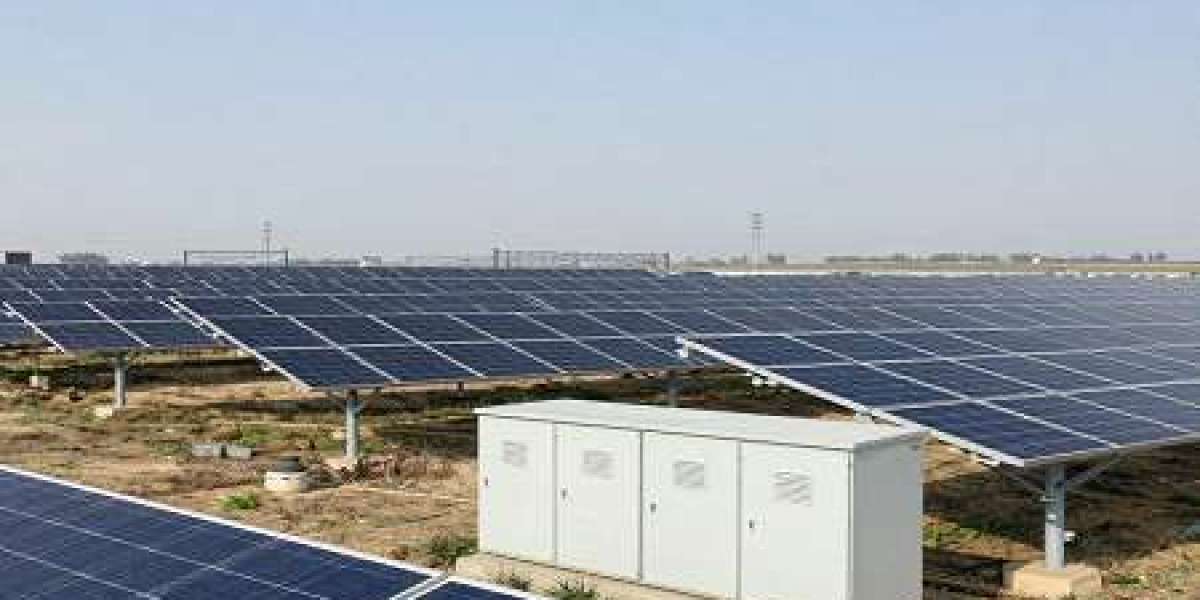

Global Deep Cycle Batteries Market Growth Outlook and Strategic Analysis
The Global Deep Cycle Batteries Market is projected to reach USD 3.9 billion in 2025 and is expected to expand at a compound annual growth rate (CAGR) of 5.2% from 2025 to 2034, reaching an estimated USD 6.1 billion by 2034. This steady expansion reflects the accelerating transition toward renewable energy systems and the growing need for reliable, long-duration energy storage solutions. Deep cycle batteries, engineered to provide sustained power output through repeated discharge and recharge cycles, are fundamental to storing intermittent solar and wind energy. Their role extends across grid stabilization, energy independence initiatives, off-grid electrification, marine applications, recreational vehicles, backup systems, and industrial power management.
Market Overview and Structural Evolution
The Deep Cycle Batteries Market occupies a central position in the evolving global energy ecosystem. Unlike starter batteries that deliver short bursts of power, deep cycle batteries are designed to discharge a significant portion of their capacity over extended periods while maintaining structural integrity across hundreds or thousands of cycles. This makes them indispensable for applications where consistent, reliable energy supply is critical.
As global energy systems shift toward decarbonization, energy storage has emerged as a strategic priority. Renewable power generation, particularly from solar photovoltaic and wind installations, is inherently intermittent. Energy storage technologies such as deep cycle batteries bridge the gap between production and consumption, enabling smoother energy distribution and improved grid resilience. This integration of storage with renewable generation is a major structural driver underpinning long-term demand.
In addition to renewable integration, the electrification of transport and industrial systems contributes significantly to market growth. Electric boats, golf carts, material handling equipment, and backup power systems rely heavily on deep cycle battery technology. As electrification penetrates new sectors, battery demand expands in parallel.
Key Growth Drivers
The Deep Cycle Batteries Market is shaped by several converging macroeconomic and technological factors. A primary driver is the rapid expansion of renewable energy installations. Governments and private enterprises are investing heavily in solar farms, wind parks, and distributed generation systems. Each installation requires robust storage solutions to ensure reliable energy supply during periods of low generation.
Energy independence initiatives further accelerate adoption. In remote regions and developing economies, off-grid solar systems supported by deep cycle batteries provide affordable and scalable electrification. These systems reduce reliance on diesel generators and enhance energy security.
Grid modernization efforts also stimulate market growth. Utilities are deploying battery storage systems to manage peak demand, enhance load balancing, and mitigate outages. Deep cycle batteries, particularly advanced lithium-ion variants, support frequency regulation and backup power for critical infrastructure.
Another important growth factor is the increasing demand for uninterrupted power supply in commercial and residential sectors. Data centers, telecommunications infrastructure, and healthcare facilities require dependable backup systems. Deep cycle batteries offer consistent discharge capabilities, making them suitable for such applications.
Technology Landscape and Battery Chemistry Trends
The Deep Cycle Batteries Market encompasses multiple battery chemistries, each with distinct performance characteristics and cost profiles. Lead-acid batteries, including flooded, gel, and absorbed glass mat (AGM) types, have traditionally dominated the market due to their affordability and reliability. They remain widely used in marine, recreational, and backup applications.
However, lithium-ion technology is rapidly gaining market share. Lithium iron phosphate (LiFePO4) batteries, in particular, are favored for their longer cycle life, higher energy density, lower maintenance requirements, and improved safety features. Although initial costs are higher, total cost of ownership often proves competitive due to extended lifespan and enhanced efficiency.
Advancements in battery management systems (BMS) are further improving performance. Smart monitoring systems regulate charging cycles, prevent over-discharge, and optimize temperature management, thereby extending battery life and ensuring operational safety.
Emerging research into solid-state batteries and alternative chemistries may influence the market in the long term, but current growth remains strongly anchored in lead-acid and lithium-based technologies.
Applications Across Industries
The Deep Cycle Batteries Market serves a diverse range of end-use industries. Renewable energy storage remains the largest and fastest-growing segment. Residential solar systems paired with battery storage enable homeowners to store excess power generated during the day for nighttime use, reducing grid dependency.
In commercial and industrial settings, battery systems support demand charge management and operational continuity. Warehouses and manufacturing facilities utilize deep cycle batteries to power forklifts and automated guided vehicles.
The marine sector relies heavily on deep cycle batteries for propulsion, navigation systems, and onboard electronics. Recreational vehicles and camping applications similarly depend on reliable battery storage for lighting, appliances, and climate control systems.
Telecommunications infrastructure represents another critical segment. Remote cell towers and communication nodes often operate in areas with unstable grid connections. Deep cycle batteries ensure continuous service by providing backup power during outages.
Additionally, agricultural applications such as irrigation pumps and rural electrification projects contribute to expanding demand.
Competitive Dynamics and Strategic Positioning
Competition within the Deep Cycle Batteries Market is influenced by technological innovation, pricing strategies, manufacturing scale, and distribution networks. Companies that invest in research and development to improve cycle life, energy density, and safety gain competitive advantages.
Vertical integration strategies are becoming more common. Manufacturers increasingly control raw material sourcing, cell production, and assembly processes to mitigate supply chain risks and stabilize costs. Partnerships with renewable energy developers and grid operators also strengthen market positioning.
Sustainability considerations are shaping competitive dynamics. Recycling programs for lead-acid batteries are well established, and lithium-ion recycling infrastructure is expanding. Companies emphasizing circular economy principles may enhance brand reputation and regulatory compliance.
Regional Analysis
North America is projected to dominate the Deep Cycle Batteries Market, holding a 32.5% revenue share in 2025. This leadership is anchored in a powerful combination of transformative policy, market maturity, and pressing energy transition needs. The U.S. Inflation Reduction Act (IRA) serves as a foundational catalyst, offering long-term financial certainty through its standalone storage Investment Tax Credit (ITC). With domestic content and energy community bonuses, incentives can exceed 50%, significantly accelerating investment in battery storage infrastructure.
The region also benefits from advanced grid modernization initiatives and strong residential solar adoption. Industrial electrification and data center expansion further stimulate demand for reliable energy storage solutions.
Europe represents a significant growth market driven by aggressive decarbonization targets and energy security concerns. The push to reduce dependence on imported fossil fuels has intensified investment in renewable energy and associated storage systems.
Asia-Pacific is expected to experience robust growth, supported by expanding renewable installations, rapid industrialization, and increasing energy demand. Countries across the region are investing in grid resilience and rural electrification, creating substantial opportunities for battery deployment.
Latin America, the Middle East, and Africa offer emerging growth potential. Off-grid solar solutions and microgrid installations are particularly prominent in regions with limited centralized infrastructure.
Download a Complimentary PDF Sample Report: https://dimensionmarketresearch.com/request-sample/deep-cycle-batteries-market/
Market Challenges and Risk Factors
Despite promising growth prospects, the Deep Cycle Batteries Market faces notable challenges. Raw material price volatility, particularly for lithium, cobalt, and lead, can impact manufacturing costs and profit margins. Supply chain disruptions may affect production timelines and availability.
Environmental regulations surrounding battery disposal and recycling require continuous compliance efforts. While lead-acid recycling systems are mature, lithium-ion recycling processes are still evolving and require investment.
Technological competition from alternative storage technologies, such as flow batteries and hydrogen-based systems, could influence long-term market dynamics. However, deep cycle batteries currently maintain strong cost-performance advantages across many applications.
Safety considerations also remain important. Thermal management and battery system monitoring are critical to preventing overheating and ensuring operational reliability.
Sustainability and Environmental Impact
Sustainability is integral to the Deep Cycle Batteries Market. Renewable energy integration inherently supports decarbonization goals, and battery storage enhances the viability of clean energy systems. Lead-acid batteries benefit from one of the highest recycling rates among consumer products, contributing to resource efficiency.
Lithium-ion recycling initiatives are expanding, focusing on recovering valuable metals and reducing environmental impact. Advances in battery design aim to minimize hazardous components and improve lifecycle efficiency.
As global climate targets intensify, energy storage will remain a cornerstone of emission reduction strategies. Deep cycle batteries are positioned as practical, scalable solutions that align with sustainability objectives.
Future Outlook and Strategic Opportunities
The future of the Deep Cycle Batteries Market is shaped by technological innovation, policy support, and expanding electrification. As renewable penetration increases, demand for long-duration storage will continue rising. Hybrid systems combining solar panels, battery storage, and smart energy management platforms are expected to become more prevalent.
Investment in research and development will likely focus on improving energy density, reducing charging times, and enhancing safety. Cost reductions through manufacturing scale and process optimization will further broaden accessibility.
Emerging markets present significant untapped potential. Decentralized energy solutions supported by deep cycle batteries can address electricity access gaps and support economic development.
Strategic partnerships between battery manufacturers, renewable developers, and utility providers will play a critical role in scaling deployment. Integrated energy ecosystems that combine generation, storage, and digital control systems will define the next phase of growth.
Frequently Asked Questions (FAQs)
1. What are deep cycle batteries primarily used for?
Deep cycle batteries are designed for applications requiring sustained power over long periods, such as renewable energy storage, marine systems, recreational vehicles, backup power, and industrial equipment.
2. Why is the Deep Cycle Batteries Market growing steadily?
Growth is driven by renewable energy expansion, electrification trends, energy independence initiatives, and the need for reliable storage solutions across residential, commercial, and industrial sectors.
3. How do lithium-ion deep cycle batteries differ from lead-acid batteries?
Lithium-ion batteries offer longer cycle life, higher energy density, lower maintenance, and lighter weight, while lead-acid batteries are typically more affordable and widely recycled.
4. What challenges does the market face?
Key challenges include raw material price volatility, evolving recycling regulations, technological competition, and safety management requirements.
5. Which region leads the Deep Cycle Batteries Market?
North America leads with a 32.5% revenue share in 2025, supported by policy incentives such as the Investment Tax Credit under the Inflation Reduction Act and strong renewable energy adoption.
Summary of Key Insights
The Deep Cycle Batteries Market is projected to grow from USD 3.9 billion in 2025 to USD 6.1 billion by 2034, reflecting a CAGR of 5.2%. This expansion is fueled by renewable energy integration, grid modernization, electrification, and supportive policy frameworks. North America holds the leading market share, driven by transformative incentives and infrastructure investments. Technological advancements in lithium-ion batteries and battery management systems are reshaping performance standards, while sustainability initiatives reinforce long-term viability. Despite challenges such as raw material volatility and regulatory complexity, the market’s outlook remains positive, supported by global decarbonization goals and increasing demand for reliable, scalable energy storage solutions.
Purchase the report for comprehensive details: https://dimensionmarketresearch.com/checkout/deep-cycle-batteries-market/