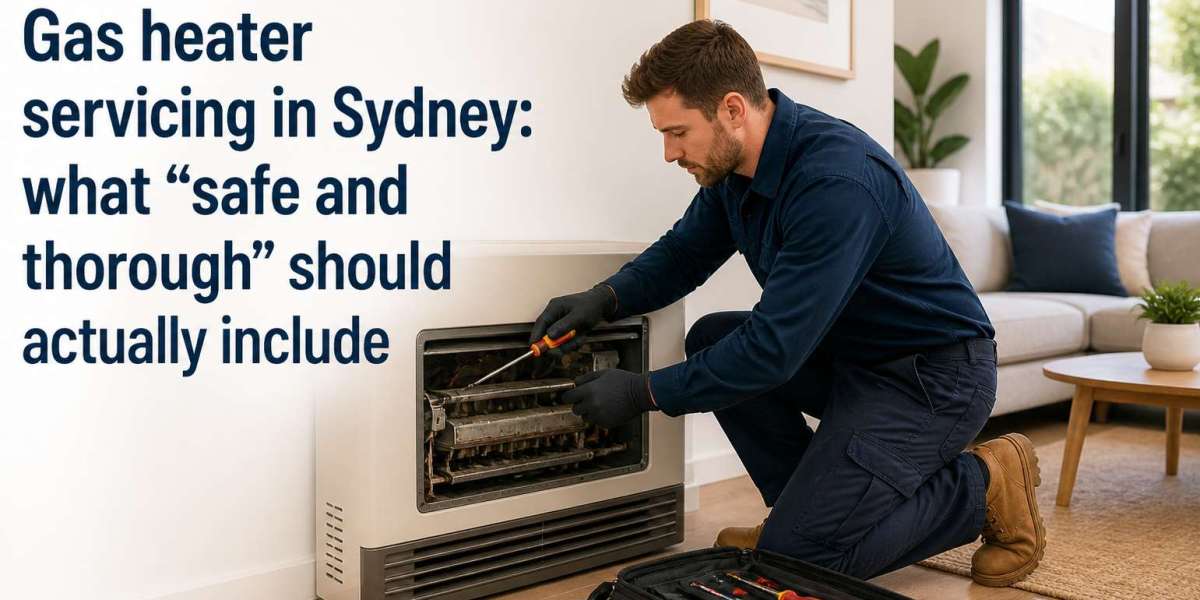

Sydney winters aren’t brutal, but they’re cold enough that heaters get switched on for long stretches, often with windows shut and airflow reduced. That’s exactly when small issues (dirty burners, poor combustion, blocked vents) can become bigger safety and performance problems.
If you’ve been searching for proven gas heater servicing in Sydney, it helps to define what “proven” should mean in practice: not a slogan, but a clear, repeatable process that prioritises safety checks, correct operation, and documentation of what was tested and found.
The most useful way to approach gas heater servicing is to think like a risk assessor, not a shopper. A good service is less about “tune-ups” and more about making sure the appliance is operating as intended, without leaks, unusual combustion, or signs of wear that could worsen over the season.
Why servicing matters in real Sydney homes
Gas heaters can run for years with few obvious symptoms, until something changes. Dust builds up, components age, and minor alignment issues can affect ignition or flame quality. In a closed-up room, that can also raise concerns around ventilation and indoor air quality.
On many Australian appliances, the risks people worry about most fall into a few buckets:
Gas leaks (from connections, valves, or damaged lines)
Incomplete combustion (often signalled by unusual flame behaviour, soot, or persistent odours)
Ventilation/clearance issues (especially in tight rooms or where airflow has changed since installation)
Wear-and-tear faults that reduce efficiency or cause shutdowns
A service won’t “future-proof” a heater forever, but it should reduce the chance that avoidable faults go unnoticed.
What a thorough gas heater service should include
Service steps vary by heater type (space heater, flued heater, ducted system, etc.), but a safety-first service commonly covers the following:
1) Basic condition and installation checks
A technician typically looks for obvious deterioration, heat damage, corrosion, and anything around the unit that could affect safe operation (clearances to combustibles, storage too close, signs of moisture or mould around vents).
2) Leak testing and connection inspection
Connections and fittings are checked for signs of leaks and wear. Even if you can’t smell gas, small leaks can still matter, particularly in enclosed spaces.
3) Combustion and flame observation
This is where “it seems fine” can be misleading. A heater may ignite and heat a room while still burning poorly. Flame appearance, ignition behaviour, and general combustion quality checks help identify issues that can lead to soot, odours, or shutdowns.
4) Ventilation and airflow considerations
A common winter habit is sealing drafts, door snakes, taped-up vents, closed windows. That might make the room warmer, but it can also reduce fresh air. A service should consider how (and where) the heater is being used and whether ventilation guidance is being followed.
5) Cleaning where appropriate
Dust and lint buildup can affect performance and ignition. Cleaning should be appropriate to the appliance and done without dismantling anything that shouldn’t be disturbed without training.
6) A clear summary of findings
A quality service ends with clarity: what was checked, what was found, what was adjusted, and what (if anything) should be monitored. If a repair is recommended, the “why” should make sense.
The warning signs you shouldn’t ignore
Some symptoms are less about comfort and more about safety. If you notice any of the following, treat it as a priority:
Persistent gas smell or unusual odours during operation
Soot, scorch marks, or dark staining near the heater or vents
The heater switches off unexpectedly, struggles to ignite, or makes new noises
Headaches, dizziness, or nausea that seem to coincide with heater use (move to fresh air and seek medical advice if severe)
Visible damage to hoses, connections, or the unit casing
If you suspect a leak, don’t “test it by running the heater.” Ventilate the area and follow local safety guidance.
What you can reasonably do yourself
DIY has a place, but it’s mainly about housekeeping and sensible use.
You can usually:
Keep the exterior clean and free of dust (without opening sealed panels)
Make sure airflow around the appliance isn’t blocked
Check that vents and returns (for ducted systems) aren’t obstructed
Read and follow the manufacturer’s operating guidance
What you shouldn’t do is dismantle components, adjust gas settings, or attempt repairs that affect combustion or gas connections. Those tasks require training and proper tools.
Choosing a service provider without relying on hype
Instead of chasing big promises, use practical criteria:
Are the technicians licensed gas fitters?
Will you get a clear explanation of what was checked and why?
Do they service your heater type and brand?
Can they attend outside standard hours if needed (some services operate later, including weekends)?
If you want an example of a provider that describes mobile servicing and notes licensed gas fitters and late availability, you can review the service overview on their main site (Apex Gas Heater Service).
A sensible servicing cadence for Sydney conditions
Many households default to “only when it breaks,” but heaters don’t always give early warnings. A practical approach is to service before heavy winter use, and then respond quickly to any new smells, performance changes, or shutdowns during the season. The right interval also depends on:
Frequency of use (daily vs occasional)
Whether the heater is in a tightly sealed room
Dust levels and household factors (pets, renovations, nearby road dust)
Appliance age and past repair history
If you’re unsure, a qualified technician can recommend an interval based on the unit and how it’s actually used.
Key Takeaways
“Proven” servicing is best judged by a repeatable checklist: leaks, combustion, ventilation, cleaning, and clear reporting.
If you notice odours, soot, repeated shutdowns, or symptoms that align with heater use, treat it as urgent.
DIY maintenance is mostly cleaning and airflow, avoid dismantling or adjusting anything gas/combustion-related.
Provider selection is clearer when you focus on licensing, transparency, and suitability for your heater type.
Servicing before peak winter use helps catch issues early, especially in closed-up homes.