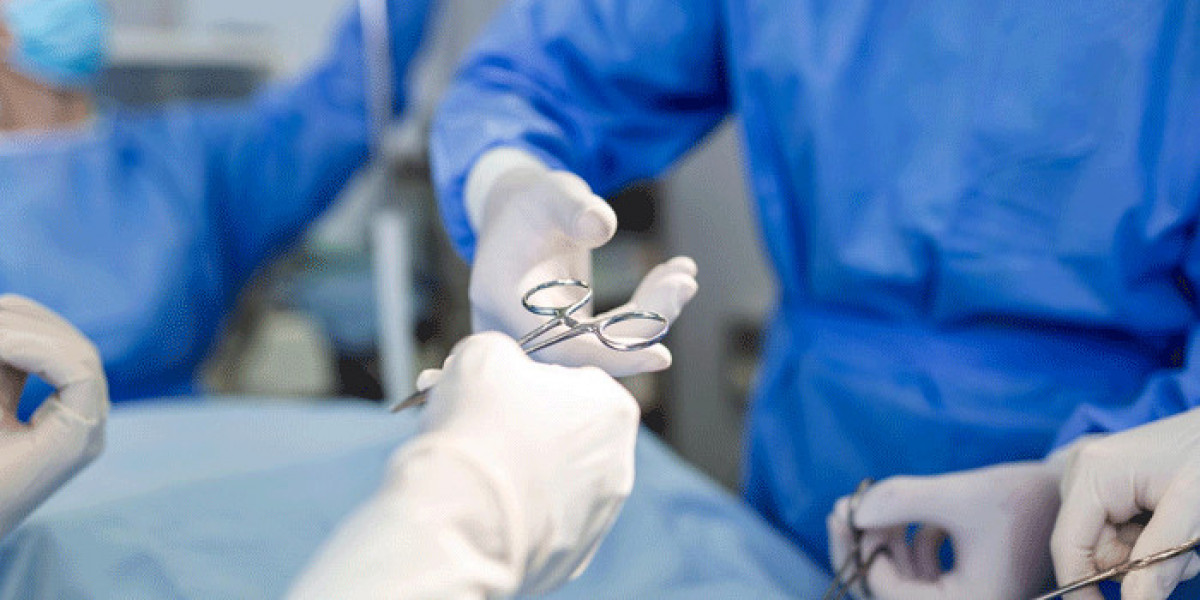

Facing unexplained health changes can be worrying, especially when symptoms linger or worsen over time. Many people delay seeking specialist care because early signs often appear mild or confusing. Understanding when to consult a Surgical Oncologist can make a meaningful difference in both diagnosis and treatment outcomes.
Cancer care today emphasizes early detection and timely intervention. A surgical oncologist specializes in diagnosing and treating cancer through surgery, often working closely with other cancer specialists. Knowing the right time to seek this expertise empowers patients and families to act with confidence rather than fear.
What Does a Surgical Oncologist Do?
A surgical oncologist is trained to manage cancer through precise surgical procedures. Their role goes beyond removing tumors and includes evaluating biopsies, staging cancer, and planning surgery as part of a broader treatment strategy. This expertise is especially valuable when surgery plays a key role in cure or long-term control.
In many cases, early consultation helps determine whether surgery is needed immediately or after other treatments. This guidance supports informed decision-making and avoids unnecessary delays.
Persistent Lumps or Swellings
One of the most common early signs that should never be ignored is a persistent lump. Lumps in the breast, neck, abdomen, or soft tissues that do not resolve over time need careful evaluation. While not all lumps are cancerous, only proper assessment can rule out serious causes.
A Surgical Oncologist can evaluate these findings, recommend appropriate imaging or biopsy, and guide next steps with clarity and care.
Unexplained Pain or Discomfort
Ongoing pain without a clear reason deserves attention. Pain that worsens, disrupts daily life, or does not respond to usual treatment may indicate an underlying condition that needs further evaluation.
Early consultation helps identify whether surgical intervention is required or if other treatments are more suitable. Listening to the body’s signals is an important step toward timely care.
Changes in Skin or Non-Healing Wounds
Skin changes such as new moles, changes in existing moles, or sores that do not heal should be taken seriously. These signs can sometimes point to skin cancers or deeper issues requiring surgical evaluation.
Prompt assessment allows early-stage treatment, often resulting in simpler procedures and better outcomes.
Unusual Bleeding or Discharge
Unexpected bleeding, whether gastrointestinal, urinary, or gynecological, should never be ignored. These symptoms may be associated with benign conditions, but they can also signal early cancer.
A Surgical Oncologist In Chennai can work alongside diagnostic teams to identify the cause and recommend timely intervention if needed.
Difficulty Swallowing or Persistent Digestive Issues
Ongoing difficulty swallowing, persistent indigestion, or unexplained weight loss may indicate cancers of the digestive tract. These symptoms are often overlooked or attributed to lifestyle factors.
Early evaluation helps determine whether surgical management is required and supports better nutritional and recovery outcomes.
Fatigue and Weight Loss Without Explanation
Persistent fatigue and unintentional weight loss can be subtle but important warning signs. When these symptoms appear without changes in diet or activity, further evaluation is essential.
Consulting a Surgical Oncologist ensures that potential surgical causes are identified early and addressed appropriately.
Why Early Consultation Matters
Early-stage cancers are often more treatable and may require less extensive surgery. Consulting a specialist early can reduce complications, preserve organ function, and improve quality of life.
Timely evaluation also provides emotional reassurance. Clear answers and a structured plan help patients feel supported rather than overwhelmed.
The Role of Multidisciplinary Care
Cancer care works best when specialists collaborate. Surgical oncologists often partner with medical and radiation oncologists, pathologists, and supportive care teams to create individualized treatment plans.
This coordinated approach ensures that surgery fits seamlessly into the overall care journey, offering balanced and patient-centered solutions.
Choosing the Right Specialist
Selecting a qualified and experienced specialist is an important step. Look for expertise, transparent communication, and a care approach that prioritizes safety and compassion.
For those seeking a Surgical Oncologist in Chennai, access to comprehensive cancer centers can support accurate diagnosis and continuity of care.
Emotional Well-Being and Support
Seeking cancer evaluation can be emotionally challenging. Fear and uncertainty are natural responses, but early consultation often brings clarity and relief.
A compassionate care team addresses both physical and emotional needs, ensuring patients feel heard, respected, and supported throughout their journey.
Listening to Your Body Saves Lives
Many patients look back and realize that early signs were present but overlooked. Paying attention to changes and acting promptly can be life-changing.
Consulting a Surgical Oncologist at the right time allows for informed decisions and proactive care.
Conclusion
Recognizing early warning signs and seeking timely specialist care can significantly influence cancer outcomes. Thoughtful evaluation, clear communication, and coordinated treatment planning help patients move forward with confidence and hope. In Chennai, ICCG India remains committed to providing the best service through compassionate expertise, advanced care, and a patient-first approach, ensuring every individual receives the support they deserve on their cancer care journey.