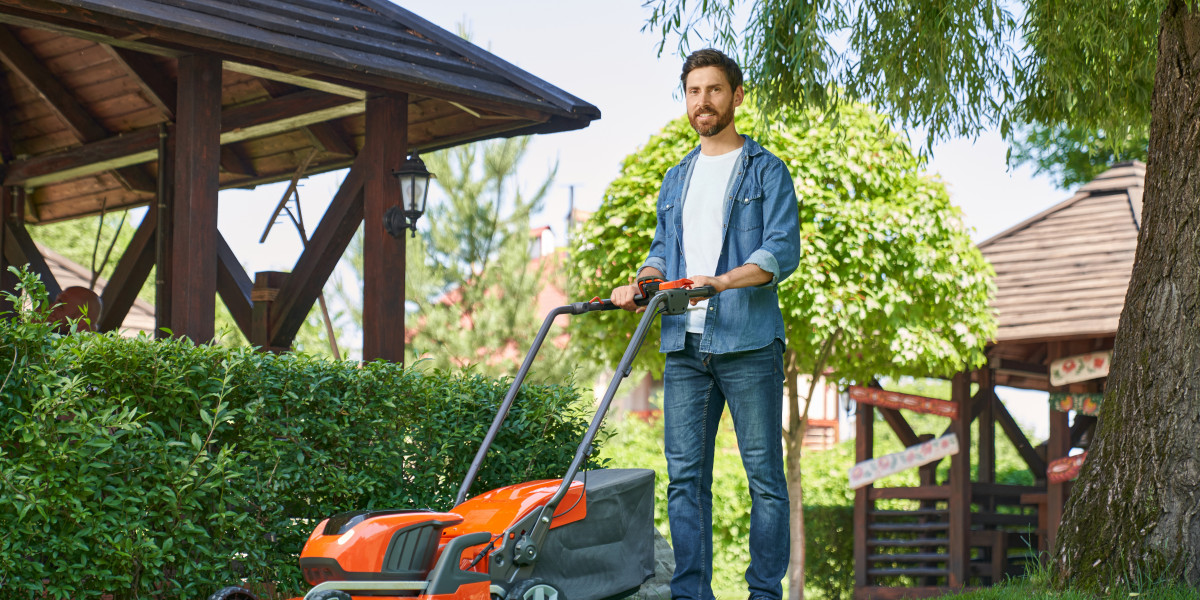

Property owners face increasing challenges in maintaining outdoor spaces as climate conditions become less predictable and upkeep demands grow. A landscaping service provides practical solutions to keep lawns, gardens, and communal areas healthy, visually appealing, and resilient year-round. These services help property owners manage seasonal stress, water restrictions, soil issues, and time constraints while protecting property value.
Quick answer: A landscaping service addresses climate impact and maintenance issues by selecting resilient plants, managing irrigation efficiently, maintaining soil and lawns, and reducing day-to-day burdens.
This article explains why professional landscaping is more than an aesthetic choice. It explores real-world maintenance challenges, how services address them, and what property owners should consider in 2026.
Understanding Climate Challenges
Weather patterns are increasingly erratic:
Hotter summers and uneven rainfall
Winter conditions that can damage plants and hardscapes
Soil degradation from erosion or excessive moisture
Plant stress caused by temperature swings
Pest and disease outbreaks triggered by changing climates
Without professional support, outdoor spaces can lose both beauty and functionality, and costs for emergency repairs rise. Many property owners attempt DIY solutions, but without knowledge of local soil conditions or plant needs, these efforts often fail, leading to higher long-term costs.
How Landscaping Services Address Climate Challenges
Professional landscapers use practical strategies to protect landscapes and reduce ongoing maintenance issues:
1. Selecting Climate-Resilient Plants
Choose drought-tolerant shrubs and grasses
Plant native species adapted to local conditions
Arrange plants according to sun, shade, and wind exposure
Benefit: Lower water use, stronger plants, and consistent visual appeal.
Pro tip: Spacing plants appropriately in heat-prone areas improves airflow and reduces disease risks, often overlooked by property owners.
2. Efficient Irrigation and Water Management
Install drip irrigation or smart watering systems
Monitor soil moisture and adjust watering schedules
Capture and reuse rainwater when possible
Benefit: Conserves water, reduces bills, and ensures compliance with restrictions.
Example: Commercial properties can cut water use by 25–30% with properly designed irrigation systems.
3. Soil and Lawn Health Management
Test soil for nutrient deficiencies
Aerate and compost to improve water retention
Follow seasonal fertilization schedules
Benefit: Strong roots, healthy lawns, and reduced long-term maintenance.
Pro tip: Mulching protects soil during dry spells and slows weed growth, saving time during peak seasons.
4. Pest and Disease Control
Use integrated pest management to minimize chemicals
Regular monitoring for early disease detection
Targeted treatments to maintain plant health efficiently
Benefit: Prevents sudden infestations, keeping landscapes vibrant and healthy.
Example: Seasonal inspections prevent invasive insects from spreading through commercial properties, avoiding expensive damage.
Seasonal Maintenance Strategies
Professional services help property owners plan maintenance throughout the year:
Spring: Soil prep, planting, pruning, irrigation checks
Summer: Adjust watering, control weeds, monitor pests, protect plants from heat stress
Autumn: Leaf cleanup, mulching, winter-proofing sensitive species
Winter: Protect plants from frost, clear debris, plan early spring planting
Structured seasonal planning reduces emergency maintenance and protects long-term property value. Property managers who skip seasonal planning often face sudden costs from damaged lawns or dead plants.
Reducing Day-to-Day Maintenance Burdens
These services also handle routine care, saving property owners time and effort:
Mowing, trimming, and pruning for safety and appearance
Seasonal cleanup of leaves and debris
Mulching and ground cover to retain moisture and limit weeds
Hardscape upkeep, including pathways, retaining walls, fences, and lighting
Irrigation monitoring to prevent leaks and ensure even water coverage
For commercial properties or large estates, this reduces the need for in-house staff while keeping outdoor spaces safe and attractive. Many businesses save 10–15 hours weekly that would otherwise go to staff supervision and maintenance tasks.
Practical Business Benefits
Hiring a professional team offers tangible advantages for property owners:
Cost control: Efficient water and fertilizer use
Reduced liability: Safe walkways and healthy grounds
Property value protection: Functional and attractive outdoor areas
Time savings: Less hands-on management for owners or staff
Long-term planning: Professional assessments of landscape resilience against weather variability
A landscaping service is an investment in efficiency and long-term property value, not just aesthetics. Commercial property owners also notice increased tenant satisfaction when outdoor areas are well-maintained.
Choosing the Right Service
Property owners should consider:
Experience with local climate conditions and plant species
Seasonal maintenance plans tailored to property type and size
Technology-driven solutions like automated irrigation, soil monitoring, or pest detection
Transparent cost structures
Track record managing commercial or residential properties
Flexibility to scale services during peak seasons or special projects
A reliable provider ensures outdoor spaces remain safe, resilient, and visually appealing year-round. Asking for references from similar property types is a practical step often overlooked.
Additional Practical Tips for Property Owners
Schedule quarterly landscape reviews to adjust plant care and irrigation
Keep records of pest or disease outbreaks to inform seasonal planning
Partner with services that offer emergency support for extreme weather
Integrate small hardscape updates like mulching paths or improving drainage
Encourage staff or tenants to report early signs of plant stress
Combining small proactive measures with professional support ensures landscapes remain healthy without major interruptions.
Conclusion
In 2026, property owners face growing climate and maintenance challenges. A landscaping service provides practical solutions for plant selection, irrigation, seasonal care, pest management, and daily maintenance. By investing in professional landscaping, property owners maintain healthy, attractive, and cost-efficient outdoor areas while reducing time and stress. Structured planning and expert guidance ensure landscapes remain durable and visually appealing despite unpredictable weather.
FAQs
Q1: What tasks are included in professional landscape care?
A1: Plant care, lawn maintenance, irrigation, soil health, pest control, and hardscape upkeep.
Q2: How can water shortages be managed effectively?
A2: By using drought-tolerant plants, efficient irrigation, and proper soil management techniques.
Q3: Can these services support commercial properties?
A3: Yes. They maintain safety, visual appeal, and long-term value for high-traffic areas.
Q4: How often should maintenance be scheduled?
A4: Frequency depends on climate, property size, and plant types; most services offer weekly or biweekly schedules.
Q5: Are professional landscaping services cost-effective?
A5: Yes. They reduce waste, prevent plant loss, and lower labor costs over time.